

Archive · 19 May 2025
Supreme Court Orders OROP for All Retired High Court Judges
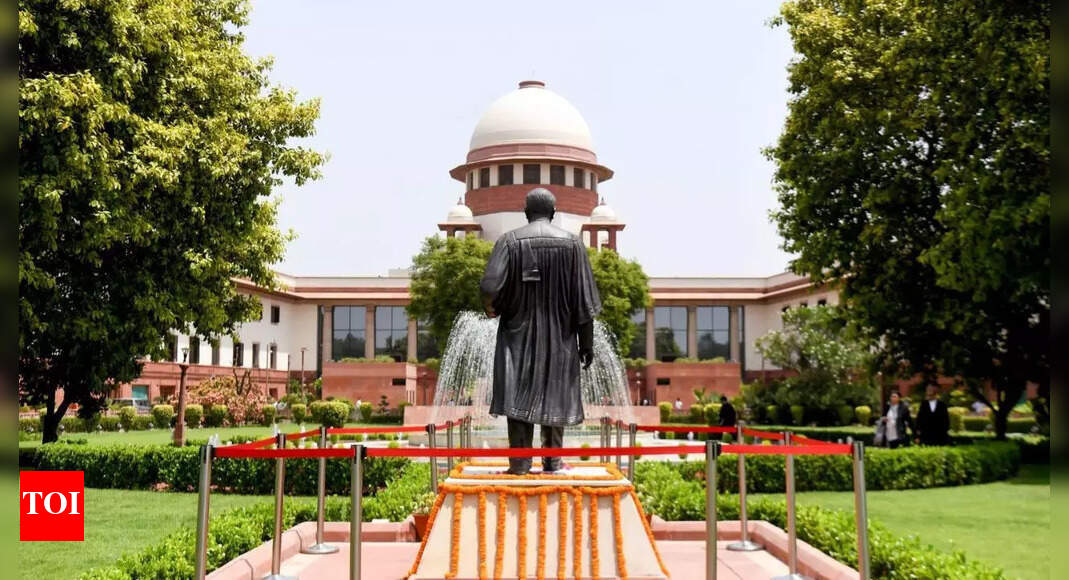
The Supreme Court has decided that all retired High Court judges should get the same pension, no matter how they became judges.
This means those who were district judges or lawyers first, then became High Court judges, will get the same pension as those who were directly appointed.
The judges will get either Rs 13.5 lakh or Rs 15 lakh annually depending on their position.
This is to make sure everyone is treated fairly.
The court also decided on what should happen if a judge dies while still working – their family will get financial help.
It doesn't matter when the judge was appointed; everyone gets the same benefits.
The court wants to treat all judges equally when it comes to their pensions.

Supreme Court mandates 'One Rank One Pension' (OROP) for all retired High Court judges.
Judges will receive full pension regardless of their appointment date or recruitment method.
Discrimination in pension based on the judge's prior role (district judiciary or advocate) is deemed unconstitutional.
Full annual pension is set at Rs 15 lakh for retired Chief Justices and Rs 13.5 lakh for other judges.
The ruling also addresses pension and gratuity for families of judges who die in service.
- Who
- The Supreme Court of India.
- What
- The Supreme Court ruled that all retired High Court judges are entitled to 'One Rank One Pension'.
- When
- The ruling was issued on Monday.
- Where
- The Supreme Court of India.
- Why
- To ensure equal pension benefits and eliminate discrimination among retired High Court judges.
- Minimum Annual Pension (CJ)
- Rs 15 lakh
- Minimum Annual Pension (Other Judges)
- Rs 13.50 lakh
- Key Principle
- One Rank One Pension
- Judges affected
- All retired High Court judges
- Basis of ruling
- Article 14 (non-discrimination)