

Archive · 8 Oct 2026
Supreme Court Orders Six Measures to Improve Delhi-NCR Women’s Safety
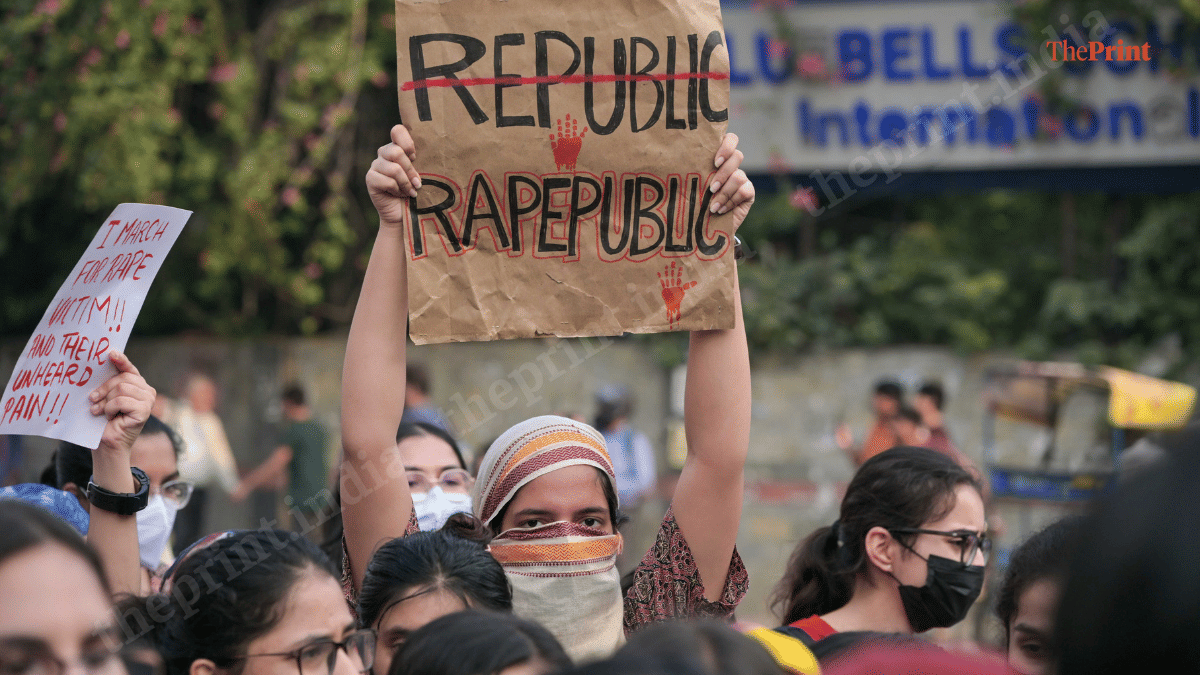
The Supreme Court wants Delhi authorities to make public places and transport safer for women.
Police should patrol more often near schools, colleges and other places considered vulnerable.
Bus, taxi and app-cab drivers must be checked, and passengers should be able to see who is driving.
Tracking devices and emergency buttons in vehicles should work, and people should know what happens when they use them.
The court also wants police to deal with blocked sightlines and illegal liquor outlets.
It asked for information about police teams and programmes meant to help girls report harassment safely.
The court said police must follow the law and cannot use safety work as an excuse for unfair or excessive action.
Delhi officials must report their progress by November 6, and the court will hear the case again on November 16.

The Supreme Court directed Delhi Police to increase beat patrols, especially near educational institutions and areas identified as vulnerable.
Government and private transport operators must verify drivers and assistants, display their names and photographs, and prevent unauthorised driver substitutions.
Authorities must check vehicle tracking and SOS systems, connect tracking to police emergency response, and explain alert response procedures to passengers.
The court ordered action on vehicles obstructing visibility and illegal liquor outlets, and sought reports on command centres, Shishtachar Squads, Operation Nirbheek and the Nazuk scheme.
Delhi officials must file compliance reports by November 6; the next hearing is November 16, with senior police officers asked to attend in person.
- Who
- The Supreme Court directed Delhi Police, the Delhi government and relevant transport authorities; the bench comprised Justices J.B. Pardiwala and K. Vinod Chandran.
- What
- The court issued six safety directives, including stronger patrolling, transport-worker verification, functioning vehicle safety systems and reporting on existing measures.
- When
- The directions followed a hearing on October 5; reports are due November 6 and the next hearing is November 16.
- Where
- Delhi and the Delhi-NCR context of the court proceedings.
- Why
- To identify and address gaps in crime prevention and emergency response following recent rape incidents in Delhi-NCR.
Preventive Safety Measures
Limits on Police Powers
Stronger preventive policing
Preventive Safety Measures
The court ordered more patrolling, verified transport workers, operational tracking and SOS systems, and action on conditions that obstruct visibility.
Limits on Police Powers
The court cautioned that preventive policing must not justify arbitrary, excessive or disproportionate police action and must remain within legal limits.
Implementation and accountability
Preventive Safety Measures
The court called for visible, effective action on the ground and made senior Delhi officials responsible for reporting compliance.
Limits on Police Powers
The court said police intervention must remain lawful, proportionate and accountable, rather than allowing safety measures to become unchecked exercises of power.
- Bench
- Justices J.B. Pardiwala and K. Vinod Chandran
- Transport covered
- Government and private buses, taxis, autorickshaws and app-based cab services, including Ola, Uber and Rapido
- Driver identification
- Verified drivers’ and assistants’ names and photographs must be displayed to passengers
- Compliance deadline
- November 6
- Next hearing
- November 16
- Reports requested
- Weekly Shishtachar Squad reports for the previous three months, plus status reports on Operation Nirbheek and the Nazuk scheme
- Accountability
- The Delhi government chief secretary and Delhi Police commissioner are responsible for filing compliance affidavits and may be held personally answerable for non-compliance
