

Archive · 4 Jan 2026
Mysterious Pink Slime on Tasmanian Beaches
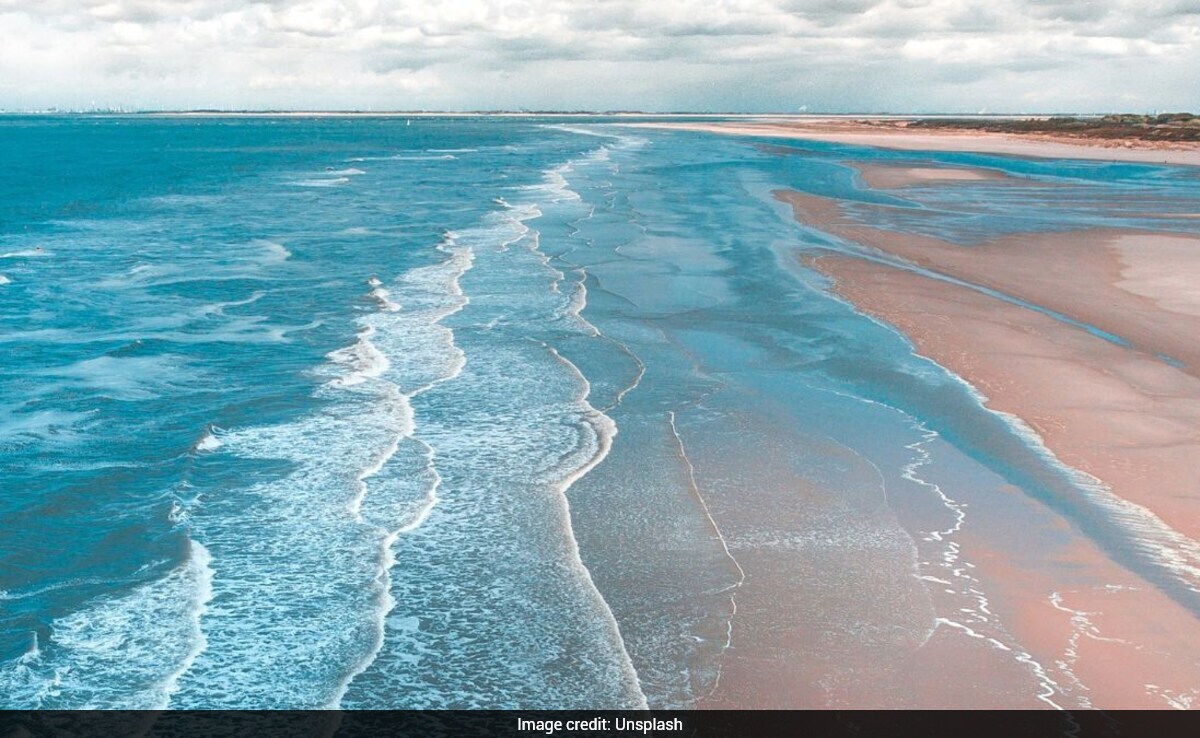
A strange pink slime has appeared on some beaches in Tasmania, Australia.
Scientists think it might be caused by tiny sea plants called Noctiluca scintillans, which can sometimes make the water look red.
This can be bad for small sea animals and fish eggs.
The authorities are checking the slime to understand it better.
The leader of Tasmania says there's no proof that fish farms caused this problem, but they want to keep the beaches and waterways safe and clean.

Mysterious pink slime found on multiple beaches in Tasmania, Australia.
Authorities suspect it may be an algal bloom caused by Noctiluca scintillans.
Samples have been sent for analysis to Tasmania's Environment Protection Authority.
Premier Jeremy Rockliff states no evidence links the bloom to salmon farming.
The bloom could potentially threaten local fisheries and marine life.
- Who
- Authorities, marine scientists, Tasmanian premier Jeremy Rockliff
- What
- Mysterious pink slime washed up on Tasmanian beaches, suspected to be an algal bloom
- When
- Recently, exact date not specified
- Where
- Randalls Bay, Little Roaring Beach, Little Taylors Bay, Tasmania, Australia
- Why
- Possible natural occurrence due to changes in nutrients, temperature, rainfall, or light
- Location
- Randalls Bay, Little Roaring Beach, Little Taylors Bay, Tasmania, Australia
- Suspected Cause
- Noctiluca scintillans (bioluminescent phytoplankton)
- Potential Impact
- Threat to local fisheries, possible harm to marine life
- Analysis
- Samples sent to Tasmania's Environment Protection Authority
- Premier's Statement
- No evidence linking bloom to salmon farming yet