

Archive · 22 Sep 2025
Gujarat, Maharashtra Cities Pioneer Climate-Resilient Sanitation
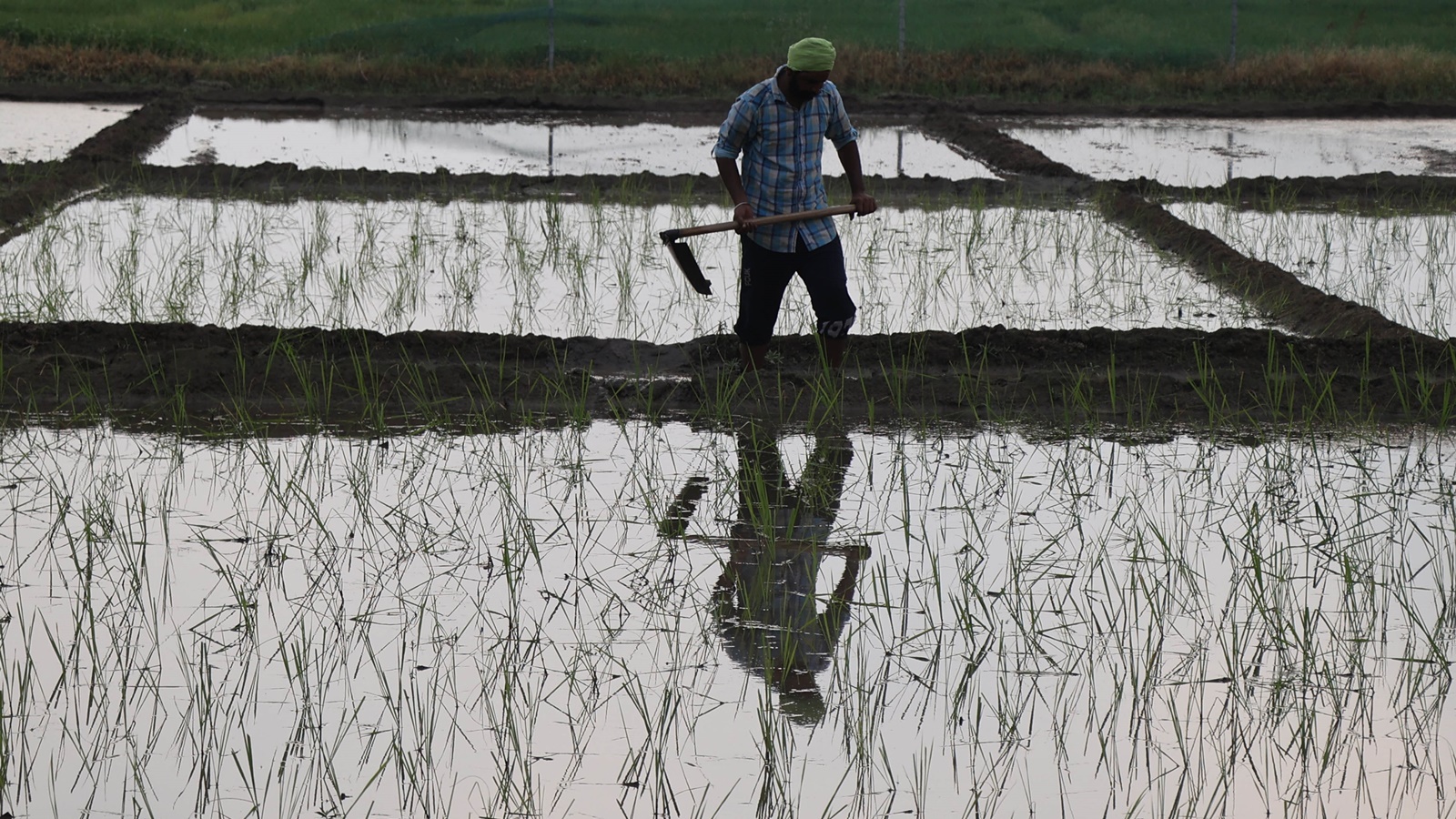
Some cities in Gujarat and Maharashtra are doing amazing things to help the environment!
They're building special systems to save water and manage waste in a way that helps the planet.
They built places to collect rainwater, making sure they have enough water even when it doesn't rain much.
This helps the environment and makes people's lives better.
They're also using solar panels to make clean energy and cleaning up waste in a way that helps the environment.
They're even training people to keep these systems running and sharing what they've learned with other cities.
This helps those places learn the ways, which make for more eco-friendly cities.

CWAS has shown smaller cities can lead in climate resilience via WASH services.
Pilot projects implemented in cities across Gujarat and Maharashtra.
The projects include rainwater harvesting, urban forests, and solar energy.
Women are managing sanitation facilities and urban forests, creating jobs.
Lessons learned are informing national and state level programs.
- Who
- Center for Water and Sanitation (CWAS), CEPT Research and Development Foundation (CRDF) at CEPT University
- What
- Initiatives to build climate resilience through water conservation and sanitation in smaller cities
- When
- Pilot projects launched nearly three years ago
- Where
- Vita, Karad, Ichalkaranji (Maharashtra); Anjar, Gandhidham (Gujarat)
- Why
- To contribute to India’s climate goals, improve everyday lives, and ensure sustainability
- Cities Involved
- Vita, Karad, Ichalkaranji (Maharashtra); Anjar, Gandhidham (Gujarat)
- Key Initiative
- Climate-resilient sanitation through water conservation
- Rainwater Harvesting Park
- First of Gujarat, inaugurated in Gandhidham
- CO2 Equivalent Sequestered
- 95 tonnes in 3 years (Vita, Karad, Ichalkaranji)
- Solar Unit Production
- 350 MWH units through 215 KW solar units across the three cities, mitigating 230 tonnes CO2 equivalent over three years
- Groundwater Recharged
- 56 million liters annually in Anjar and Gandhidham