Archive · 18 Sep 2026
India Expands Global Semiconductor Goals With Semicon 2.0
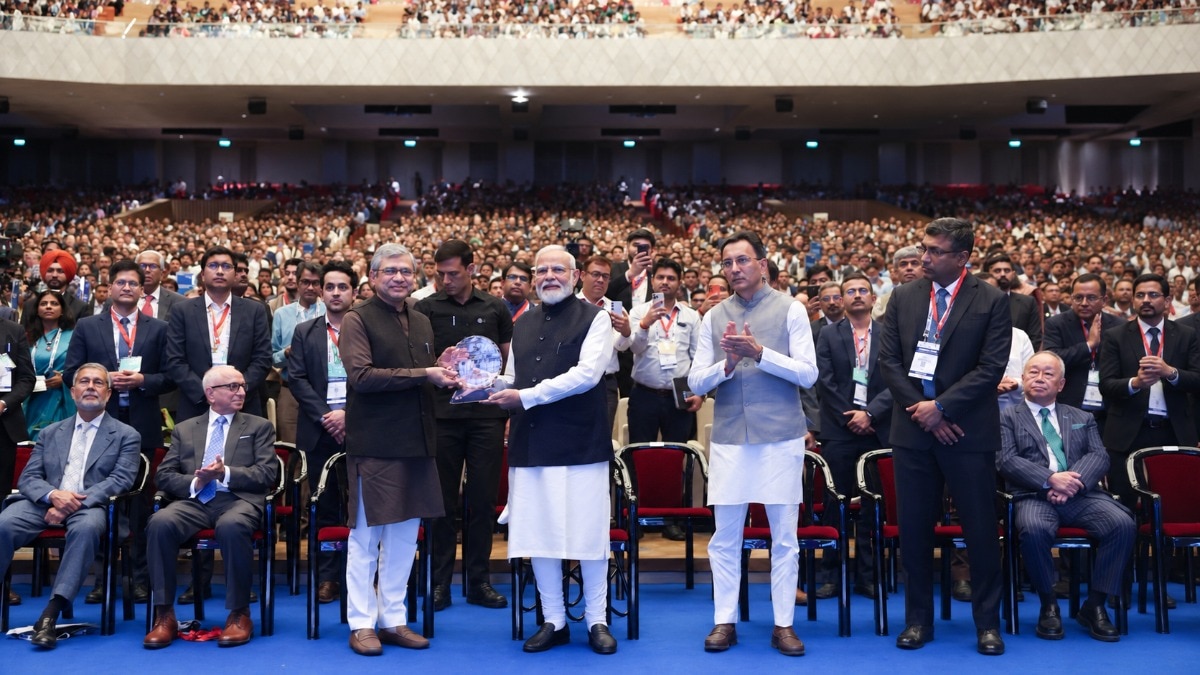
India wants to make and design more computer chips.
Prime Minister Narendra Modi said Indian chips should be sold around the world.
The government has announced a new plan called Semicon 2.0.
It aims to support at least 200 chip-design startups and companies.
It also plans to train 100,000 people to work in chip factories.
The plan includes making chips, building machines and materials, packaging chips and researching new technology.
Two facilities in Mohali and Palsana have started commercial production.
India says it has already trained 70,000 design engineers in four years.
More than 400 universities can now use electronic design tools.

Semicon 2.0 aims to support at least 200 chip-design startups and companies in India.
The programme targets 100,000 technicians, cleanroom personnel and factory-floor workers for semiconductor facilities.
Its six pillars cover chip design, machines and materials, fabrication, advanced packaging, research and development, and talent.
Commercial production began at CDIL Semiconductor’s Mohali facility and Suchi Semicon’s unit in Palsana, Gujarat.
India has trained 70,000 design engineers in four years, while more than 400 universities now have access to electronic design tools.
- Who
- Prime Minister Narendra Modi and Union Electronics and Information Technology Minister Ashwini Vaishnaw announced the next phase of India’s semiconductor programme.
- What
- India outlined Semicon 2.0 and marked the start of commercial production at two semiconductor facilities.
- When
- The announcement was made on Thursday at SEMICON India 2026; Semicon 2.0 was approved in July 2026.
- Where
- The event took place in New Delhi; the facilities are in Mohali and Palsana, Gujarat.
- Why
- The programme is intended to expand India’s semiconductor ecosystem, support chip-design companies and develop workers for semiconductor factories.
- Programme
- Semicon 2.0
- Chip-design target
- At least 200 startups and companies
- Workforce target
- 100,000 technicians, cleanroom personnel and factory-floor workers
- Semicon 2.0 outlay
- ₹1,27,500 crore
- Machines and materials investment
- USD 5 billion announced during the event
- Design engineers trained
- 70,000 in four years
- University access
- More than 400 universities have access to electronic design automation tools