

Archive · 5 Sep 2025
India's GST Overhaul: New Rates, Economic Impacts, and Sectoral Shifts
India is changing its Goods and Services Tax (GST) to make things simpler and hopefully boost the economy.
Instead of many different tax rates, there will mainly be two: 5% and 18%.
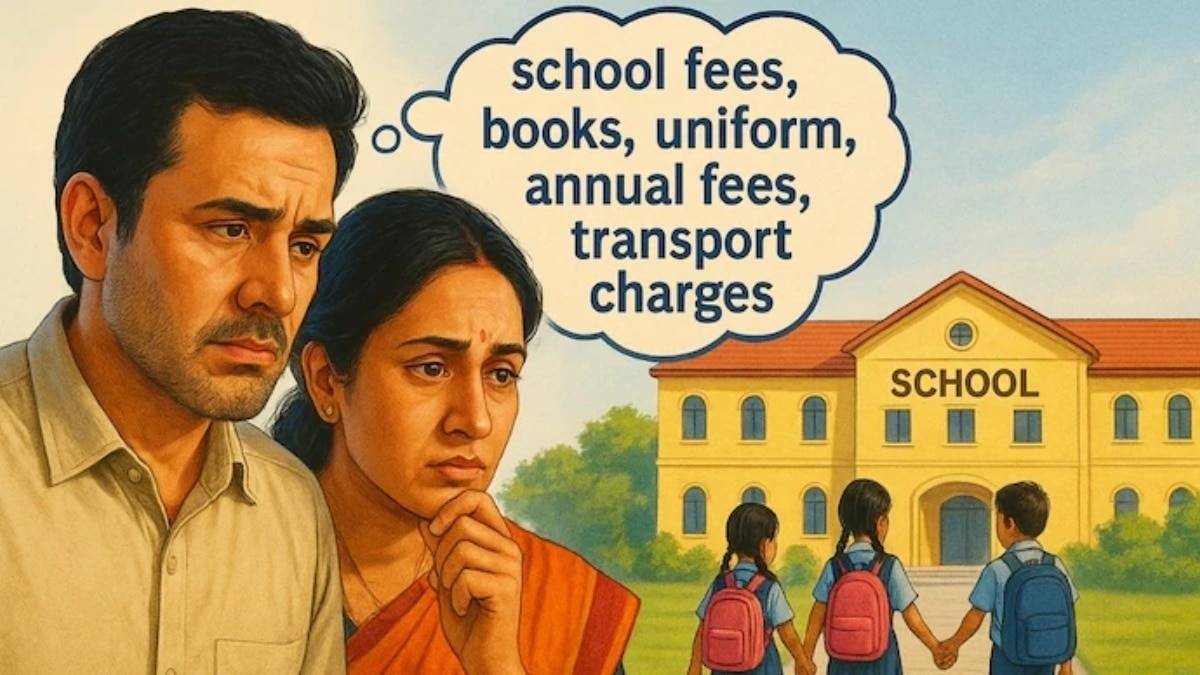
Some things, like notebooks and pencils, will become cheaper, and school fees stay tax-free.
However, things like coaching classes will still have high taxes.
The government expects a slight loss in tax money at first, but hopes the changes will make people spend more, helping businesses.
It's like giving people a little extra money to spend on everyday things, hopefully helping the economy grow.

The GST structure is being simplified with 5%, 18%, and 40% tax slabs, effective September 22.
Essential items, including school supplies, see tax reductions.
School and college fees remain exempt from GST.
Coaching classes and online courses continue to be taxed at 18%.
The government anticipates a net revenue loss, offset by expected economic growth.
- Who
- Government of India, SBI, Emkay
- What
- Implementation of a GST overhaul with simplified tax slabs.
- When
- Effective September 22
- Where
- India
- Why
- To stimulate consumption-led growth and simplify the tax structure.
Government
Analysts
Fiscal Impact
Government
Government estimates a net revenue loss.
Analysts
Some analysts suggest the impact is minimal, or the losses will be offset by growth.
- GST Change Effective Date
- September 22
- New Tax Slabs
- 5%, 18%, and 40%
- Net Revenue Loss (Govt. Estimate)
- Rs 48,000 crore
- Essential Items Tax Reduction
- 12% to 5% or 0%
- Banking Sector Impact
- Enhanced cost efficiencies
- Coaching Classes/Online Courses
- Remain under 18% GST
Sources

Cheaper notebooks and stationery: Navneet Education to pass on full GST cut

GST 2.0 to cost minimal Rs 3,700 cr revenue loss, fiscal deficit unaffected: SBI Research

GST overhaul a significant shift toward consumption-led growth: Report