

1 week ago
Elizabeth Bowen’s Sad Portrait of Betrayed Innocence and Trust

Elizabeth Bowen tells the story of Portia, a sixteen-year-old girl.
Portia goes to live with her half-brother and his household.
She watches the adults around her carefully.
Portia is honest and open with them.
However, they do not treat her openness with the same kindness.
Some people take advantage of her innocence.
By the end, Portia is hurt and disappointed.
Her sadness comes from losing trust in people, not just from romance.

Elizabeth Bowen portrays the cruelty of discovering that the world is less kind than expected.
Sixteen-year-old Portia moves into her half-brother’s household.
Portia observes the adults around her with openness they do not fully return.
Her innocence gradually becomes something other people exploit.
The ending depicts her losing faith in people, not merely experiencing romantic disappointment.
- Who
- Elizabeth Bowen writes about Portia, a sixteen-year-old girl, and the adults in her half-brother’s household.
- What
- A coming-of-age story about innocence, betrayal, exploitation, and the loss of faith in people.
- Where
- Portia’s half-brother’s household.
- When
- Why
- The story examines the pain of discovering that other people may be less kind and trustworthy than expected.
Key facts
- Author
- Elizabeth Bowen
- Central character
- Portia
- Portia’s age
- Sixteen
- Story type
- Coming-of-age story
- Main conflict
- Portia’s openness and innocence are exploited by others
- Ending
- Portia loses faith in people
- Primary emotional theme
- Betrayal
Sources
Related news

Five Novels Reframe Loneliness As Part Of Being Human

Five Fantasy Books Make Familiar Fairy Tales Much Darker

Theo Of Golden Surpasses 3.5 Million Copies in 2026

Ten Books For The Strange Quiet Feeling Of Being Stuck
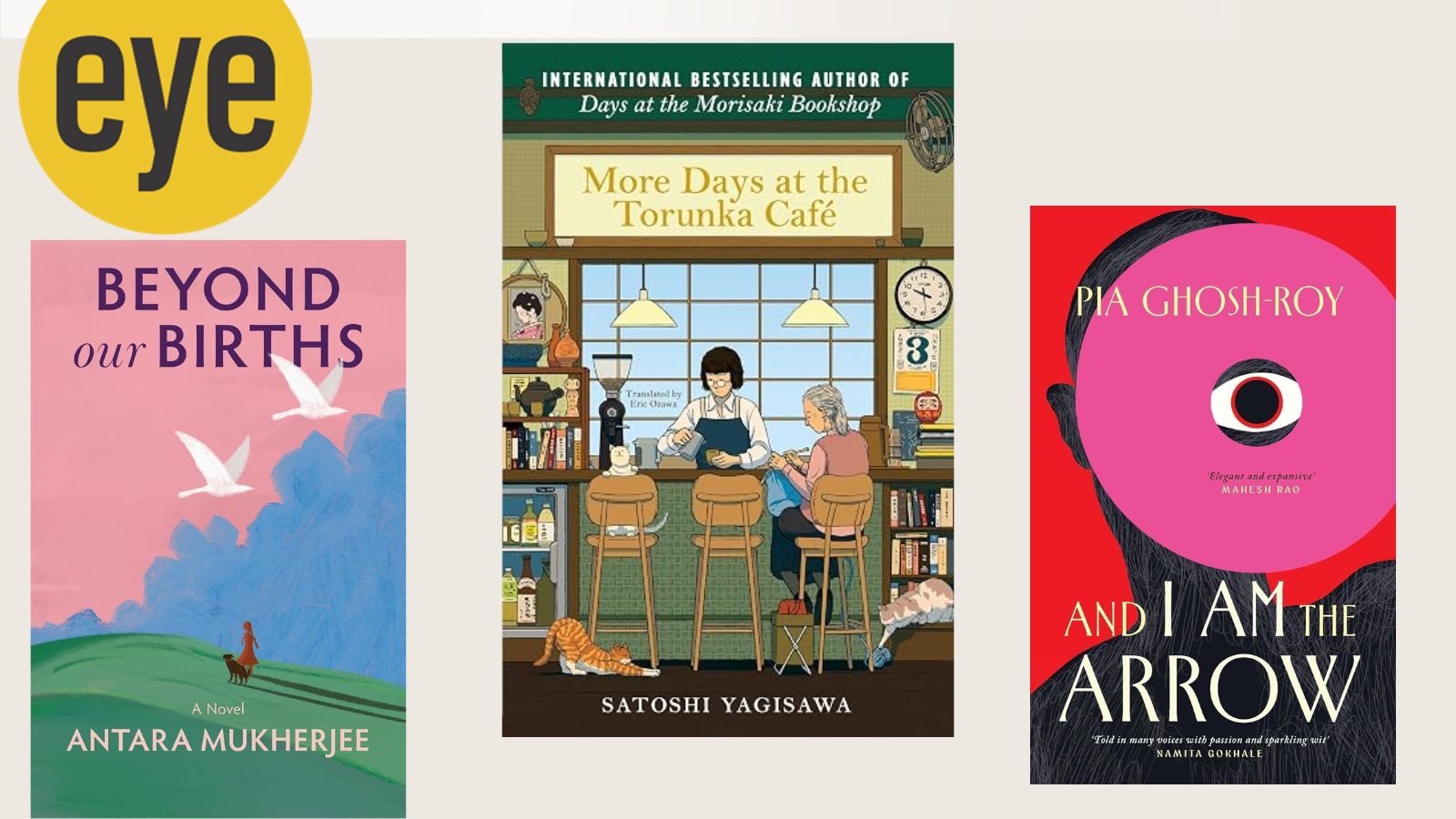
Review Calls Yagisawa’s Torunka Cafe Sequel Formulaic and Inert
