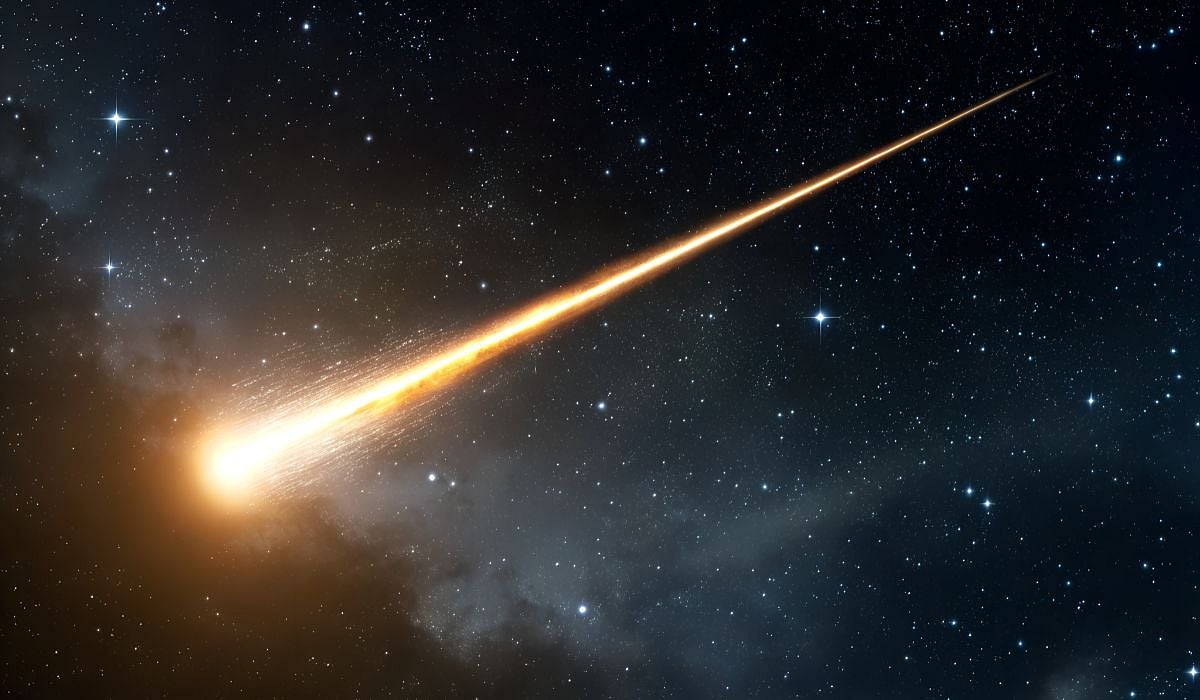
Archive · 14 Dec 2025
Geminid Meteor Shower Peaks Tonight
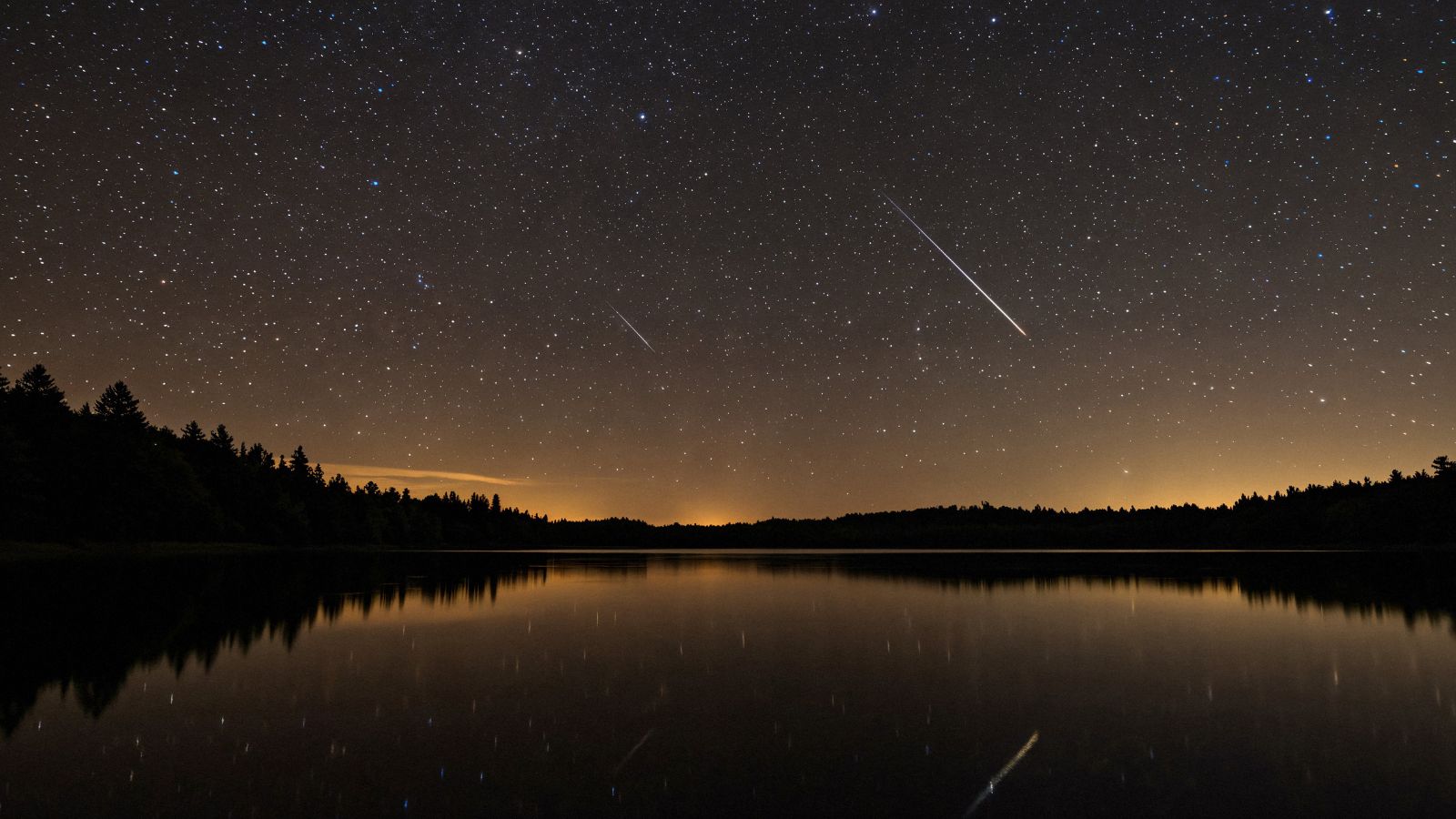
The Geminid meteor shower is a special event where you can see lots of shooting stars in the sky.
It's happening tonight and tomorrow morning, and if the weather is just right, you might see more than 100 meteors in one hour.
This is a really big deal because most other meteor showers don't have as many meteors.
The Geminids are different because they come from a rocky object called 3200 Phaethon, which makes them brighter and more colorful.
You don't need any special equipment to see them, just clear skies and a dark place away from city lights.
So, if you're in India or anywhere else in the world, go outside and look up at the sky to see this amazing sight!

The Geminid meteor shower is expected to peak on the night of December 13 and the early hours of December 14, 2025.
Under ideal conditions, viewers can see 100–120 meteors per hour, making it one of the most intense annual meteor showers.
The Geminids are known for being brighter, slower, and more colorful than many other meteor showers, with trails that can linger in the sky for several seconds.
This event offers a significant meteor count and consistency, distinguishing it from other annual showers.
Stargazers worldwide, including in India, are encouraged to step outside and look up at the sky to witness this spectacular event, with no special equipment needed.
- Who
- Skywatchers and stargazers worldwide, including in India
- What
- Geminid meteor shower
- When
- Night of December 13 and early hours of December 14, 2025
- Where
- Visible worldwide, including India
- Why
- To witness one of the most reliable and visually stunning meteor showers of the year
- Event
- Geminid meteor shower
- Peak Time
- Night of December 13 and early hours of December 14, 2025
- Expected Meteor Count
- 100–120 meteors per hour under ideal conditions
- Location
- Visible worldwide, including India
- Distinguishing Feature
- Brighter, slower, and more colorful than many other meteor showers
- Origin
- Debris from asteroid 3200 Phaethon
- Viewing Tips
- Look to the eastern sky, no telescope or binoculars needed