

Archive · 28 May 2025
Five Birds: Masters of Camouflage in the Animal Kingdom
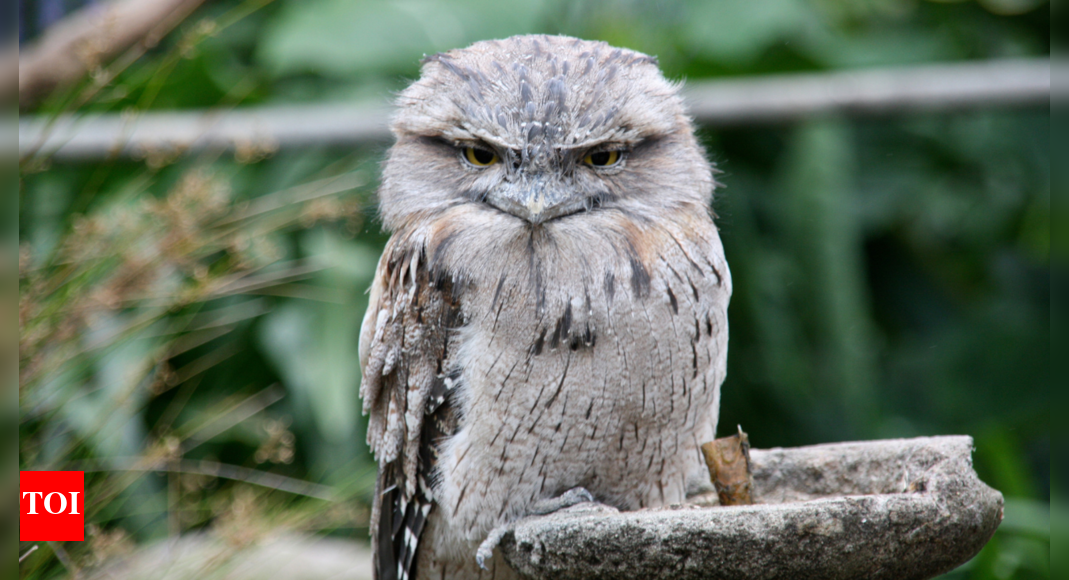
Some birds have incredible camouflage skills to stay hidden.
The common potoo looks like a broken branch, the tawny frogmouth blends with tree bark, and the Eurasian bittern disappears among reeds.
The American woodcock hides in leaf litter, and nightjars match the forest floor.
These birds use their colors, shapes, and stillness to avoid being seen by predators and to sneak up on their food, making them masters of disguise in the wild.

The common potoo resembles a broken tree limb due to its mottled gray and brown feathers.
The Tawny frogmouth blends with tree bark and is often mistaken for part of the tree.
The Eurasian bittern uses its streaked plumage and "bitterning" pose to vanish among reeds.
The American woodcock's mottled feathers help it disappear into the leaf litter on the forest floor.
Nightjars use their speckled plumage to blend with the forest floor and other terrains.
- Who
- Common potoo, Tawny frogmouth, Eurasian bittern, American woodcock, and Nightjar
- What
- Birds that are masters of camouflage.
- When
- During the day or night, depending on the bird's activity and camouflage strategy.
- Where
- Central and South America, Australia, Europe, Asia, and various habitats across multiple continents.
- Why
- To survive by avoiding predators and ambushing prey.
- Common Potoo Habitat
- Nocturnal bird found in Central and South America
- Tawny Frogmouth Habitat
- Native to Australia
- Eurasian Bittern Habitat
- Found in reed beds across Europe and Asia.
- American Woodcock Habitat
- Found in the leaf-littered forest floor
- Nightjar Habitat
- Found on every continent except Antarctica