

Archive · 10 Jan 2026
CEC Recommends Restoring Bannerghatta National Park’s Original ESZ
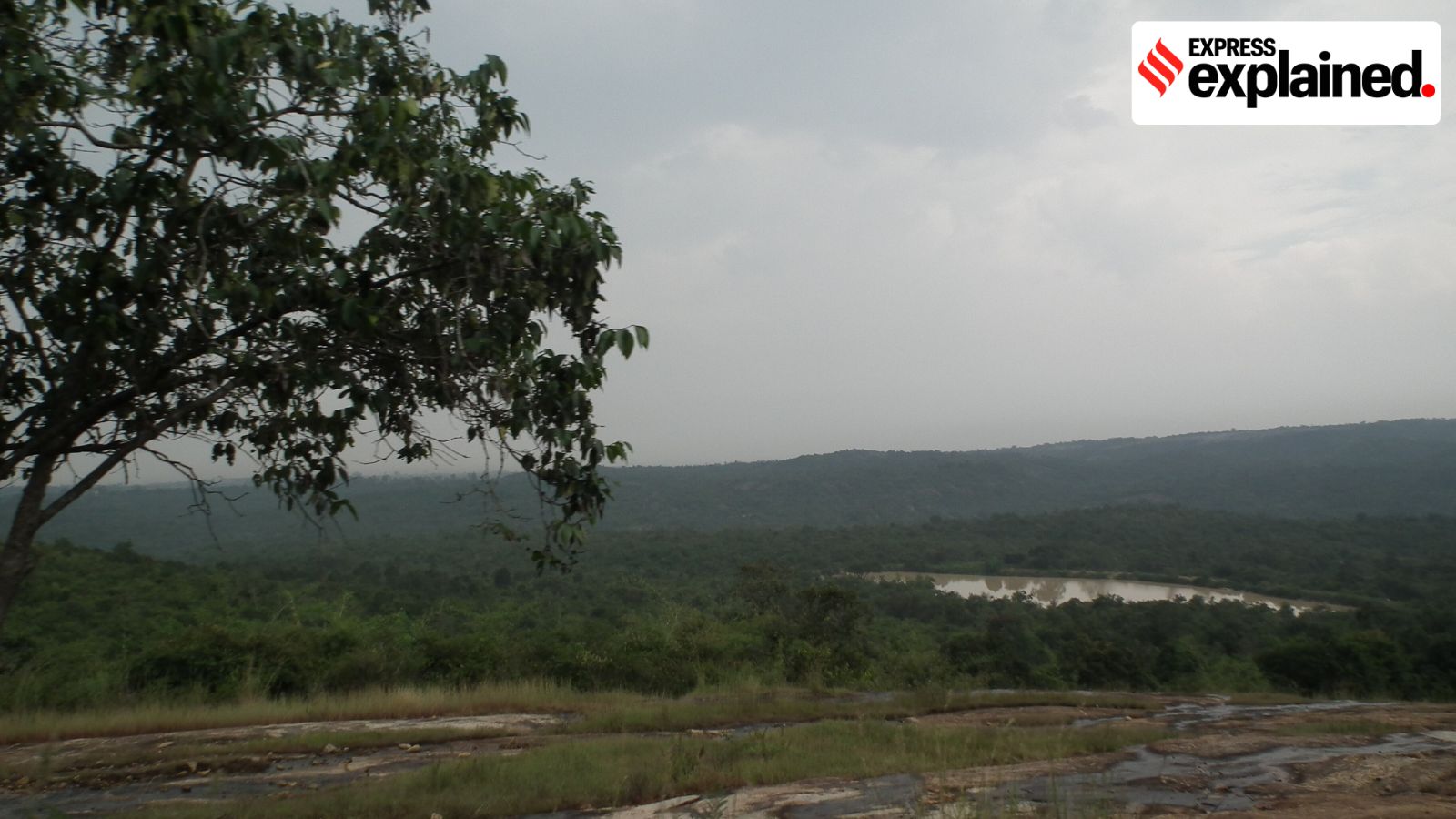
The Central Empowered Committee (CEC) has recommended that the Ecologically Sensitive Zone (ESZ) around Bengaluru’s Bannerghatta National Park should be restored to its original size from 2016.
The ESZ was reduced in 2020, which led to issues like human-animal conflict and ecological degradation.
The CEC’s report suggests withdrawing the 2020 notification and restoring the original ESZ to protect important wildlife corridors and ecologically significant areas.
The report also emphasizes that the ESZ is meant to protect forests and not to hamper the daily activities of local communities.
The CEC visited the park and examined the issues in detail before making these recommendations.

CEC recommends restoring Bannerghatta National Park’s ESZ to its 2016 extent of 268.9 sq km.
The 2020 ESZ notification reduced the area to 168.64 sq km, excluding important elephant corridors.
CEC report highlights increasing human-animal conflict due to narrow buffer zones in southern areas.
Any alterations to the ESZ must be justified by an expert committee and not affect wildlife corridors.
The report emphasizes that the ESZ is intended to protect forests and not hinder local livelihoods.
- Who
- Central Empowered Committee (CEC) headed by Siddhanta Das
- What
- Recommendation to restore Bannerghatta National Park’s original ESZ
- When
- Report submitted on January 7, 2025
- Where
- Bannerghatta National Park, Bengaluru
- Why
- To protect ecologically sensitive areas and reduce human-animal conflict
- Original ESZ Area (2016)
- 268.9 sq km
- Reduced ESZ Area (2020)
- 168.64 sq km
- CEC Recommendation
- Restore 2016 ESZ extent
- Key Issue
- Human-animal conflict and ecological degradation
- Report Length
- Over 500 pages
- Elephant Corridors
- Excluded in 2020 notification
- Buffer Width
- 100 metres in southern areas