

Archive · 4 Oct 2026
Supreme Court Upheld Election Commission’s Collective Decision-Making
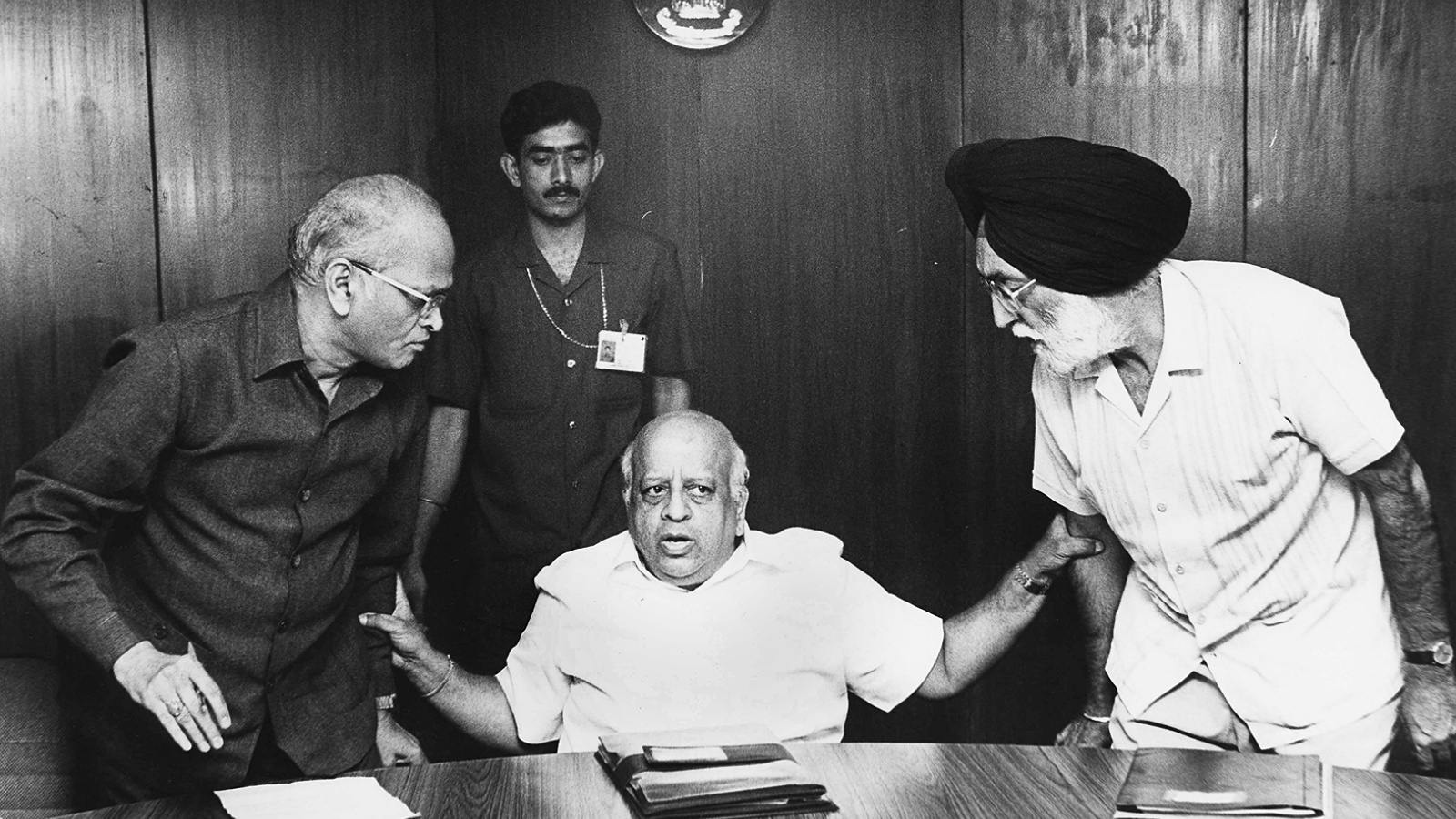
In 1993, two commissioners joined the chief of India’s Election Commission.
A new rule said the members should try to agree, but a majority could decide if they did not.
Chief Election Commissioner TN Seshan thought the Constitution gave his role more authority.
He challenged the rule and the new appointments in court.
In 1995, the Supreme Court rejected his argument.
It said the chief’s special protection from being removed did not mean he had more power when the commission voted.
The court said commissioners should make decisions together.
This helped establish that the commission was more than just its chief.

In October 1993, President-appointed Election Commissioners MS Gill and GVG Krishnamurty joined Chief Election Commissioner TN Seshan.
An ordinance said the commission should seek unanimity, with majority decisions when members disagreed.
Seshan challenged the ordinance and appointments, arguing Article 324 gave the CEC a superior role.
In July 1995, a five-judge Supreme Court bench upheld the arrangement and the appointments.
The court said the CEC’s stronger protection from removal safeguarded independence but did not confer greater voting power.
- Who
- Chief Election Commissioner TN Seshan, Election Commissioners MS Gill and GVG Krishnamurty, and the Supreme Court of India.
- What
- The Supreme Court upheld the multi-member Election Commission arrangement and majority decision-making.
- When
- The commissioners were appointed in October 1993; the Supreme Court ruled in July 1995.
- Where
- India.
- Why
- The court considered whether the CEC’s stronger constitutional protection from removal gave him superior decision-making authority.
Seshan’s argument
Supreme Court’s ruling
The CEC’s place in decision-making
Seshan’s argument
Seshan argued that the CEC’s special constitutional protections indicated that the chief stood above the other commissioners, including in decision-making.
Supreme Court’s ruling
The court held that the CEC’s stronger protection against removal safeguarded institutional independence, but did not grant superior decision-making authority.
Role of other commissioners
Seshan’s argument
Seshan’s position challenged the equal decision-making arrangement created by the ordinance and appointments.
Supreme Court’s ruling
The court said commissioners must decide collectively and that treating the CEC as having greater voting power would reduce the others to advisers.
- Appointments
- MS Gill and GVG Krishnamurty were appointed Election Commissioners on October 1, 1993.
- Rule
- The commission was to seek unanimity where possible; disagreements were decided by majority.
- First challenge
- Cho Ramaswamy filed a challenge on October 13, 1993.
- Seshan's petition
- Seshan filed his petition on October 26, 1993.
- Legislation
- Legislation replaced the ordinance on January 4, 1994, without material change.
- Court ruling
- A five-judge Constitution Bench led by Chief Justice AM Ahmadi ruled in July 1995.
- Decision
- The court upheld the arrangement and said the CEC had no superior voting power.