Archive · 10 Nov 2025
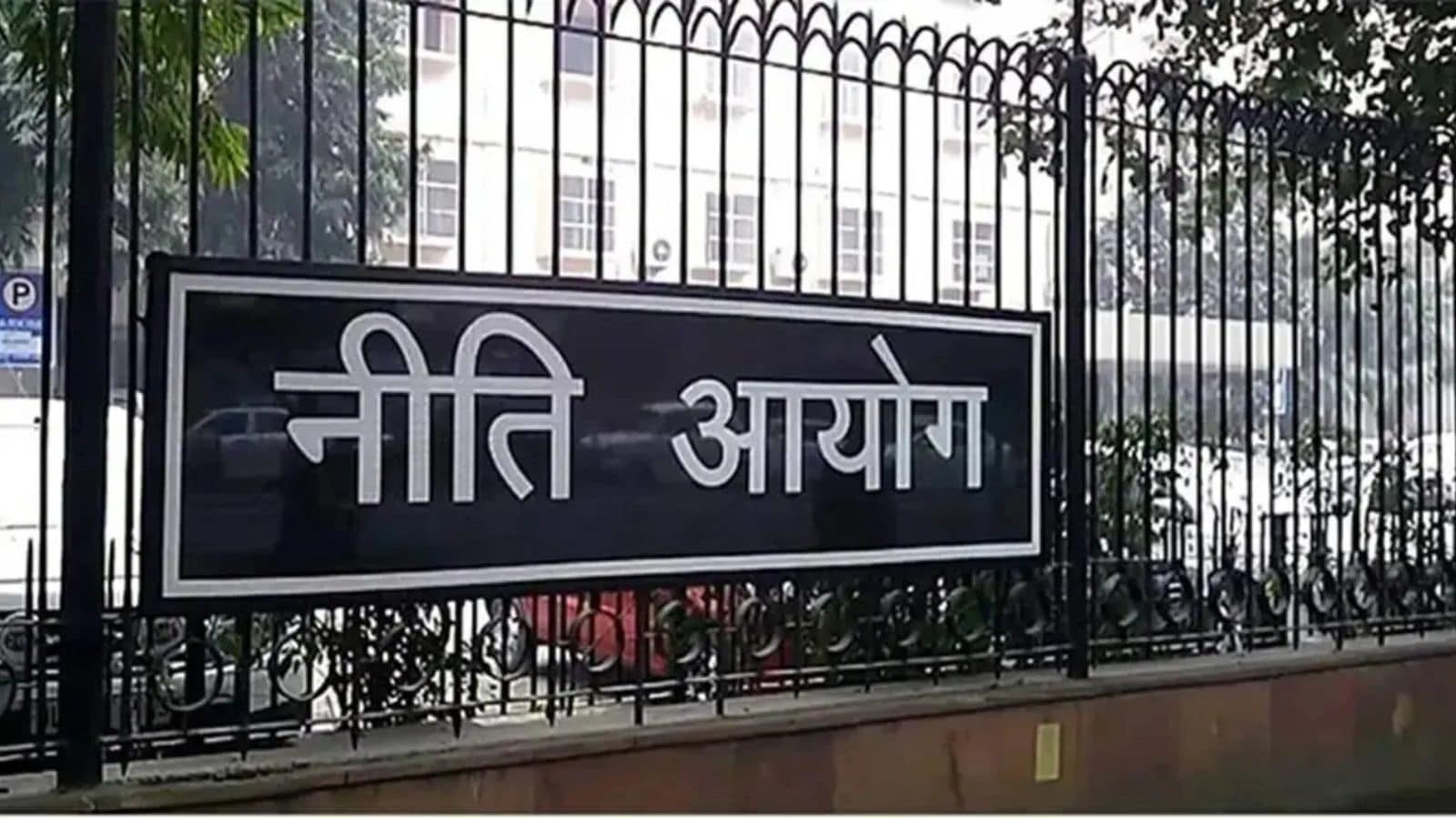
NITI Aayog Report Warns Quality Control Orders Harm MSMEs and Competitiveness
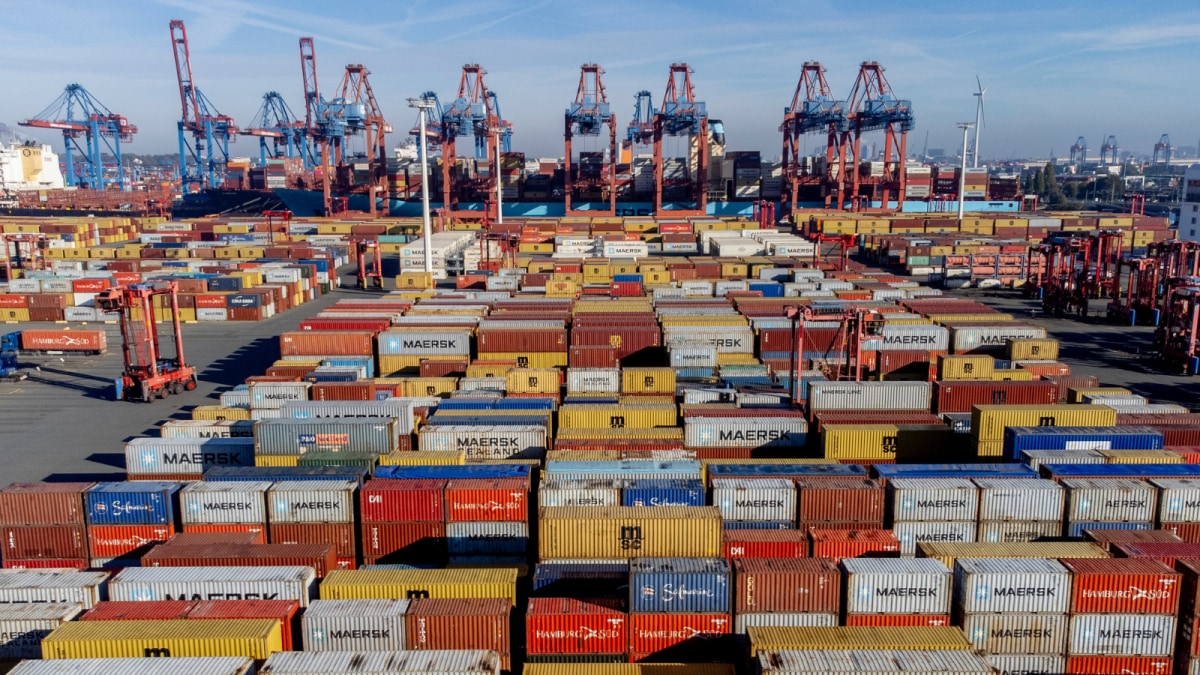
Imagine the government has rules about how good products must be, called Quality Control Orders (QCOs).
A government think tank, NITI Aayog, released a report saying too many of these rules, especially for the materials used to make things, are causing problems.
It's like saying the ingredients for a cake have to be certified perfectly, making it harder and more expensive for small bakeries to even start.
These rules make it tough for smaller businesses in India to compete because they cost more and take longer to get the materials they need.
This can lead to fewer businesses being able to compete, and prices going up.
The report suggests getting rid of some of these rules for ingredients and only keeping them for the final products.
It also mentioned that businesses in special economic zones, which are like export hubs, don't face the same problems.

A NITI Aayog report warns that the proliferation of Quality Control Orders (QCOs), especially on raw material intermediates, is hurting Indian industry competitiveness.
The report states that QCOs have increased input costs and caused production delays for downstream industries, disproportionately affecting MSMEs.
NITI Aayog recommends revoking QCOs on certain raw materials and intermediates and suspending them for steel products not used in critical applications.
MSMEs face significant financial and logistical challenges in meeting QCO requirements, leading to market concentration and higher prices for some products.
The report suggests that QCOs should focus on finished goods rather than inputs to avoid hindering domestic producers and importers.
- Who
- NITI Aayog's High-Level Committee on Non-Financial Reforms
- What
- An internal report stating that the rise in Quality Control Orders (QCOs) is harming MSMEs, increasing costs, causing delays, and reducing export competitiveness.
- When
- The report is not yet public; QCOs have rapidly increased over the past five years.
- Where
- India
- Why
- To identify and address how QCOs negatively impact Indian industry, particularly small and medium enterprises, and to recommend policy changes.
NITI Aayog (Internal Report)
Government Approach (Implied)
Impact of QCOs
NITI Aayog (Internal Report)
Rapid increase in QCOs, especially on raw material intermediates, harms Indian industry competitiveness, increases input costs, causes production delays, and disproportionately affects MSMEs, leading to market concentration and higher prices.
Government Approach (Implied)
QCOs are intended to set quality standards. The report acknowledges existing mechanisms and suggests revoking or suspending QCOs on certain items while retaining norms for others, indicating a selective rather than wholesale rejection.
Focus of QCOs
NITI Aayog (Internal Report)
QCOs should primarily impact finished goods, not raw material intermediates, to avoid supply chain disruptions and increased costs for downstream industries.
Government Approach (Implied)
While the report suggests QCOs on intermediates cause issues, the government's approach (implied) might see value in regulating inputs to ensure overall product quality and consistency.
MSME Burden
NITI Aayog (Internal Report)
MSMEs face significant financial and logistical challenges in meeting QCO requirements, including testing backlogs and prohibitive certification costs, leading to reduced competitiveness compared to SEZ units.
Government Approach (Implied)
The report notes that domestic industry has paid a heavier price than SEZ units, indirectly suggesting that units in SEZs might have better mechanisms or exemptions, but it doesn't detail the government's specific measures to alleviate MSME burdens directly within the domestic tariff area.
- Report Issuing Body
- NITI Aayog (High-Level Committee on Non-Financial Reforms)
- QCO Increase
- From 70 to 790 in nine years
- Impacted Sectors (Raw Materials/Intermediates)
- Synthetic fibres, plastics, polymers, base metals, footwear inputs, electronics inputs, steel products
- Consequences of QCOs
- Supply chain disruptions, increased input costs, production delays, market concentration, price premiums (15-30% for polyester fibre, yarn, some steel products)
- MSME Challenges
- Financial and logistical hurdles, testing backlogs, high certification costs
- Export Competitiveness Issue
- Higher costs for downstream industries, declining share in global apparel exports
- Specific Steel Recommendations
- Suspend QCOs on raw materials and intermediates; revoke Steel Import Monitoring System (SIMS) and NOC process for non-BIS grades.