Archive · 12 Oct 2026
CJP Leaders Vow Wider Protests After Release From Custody
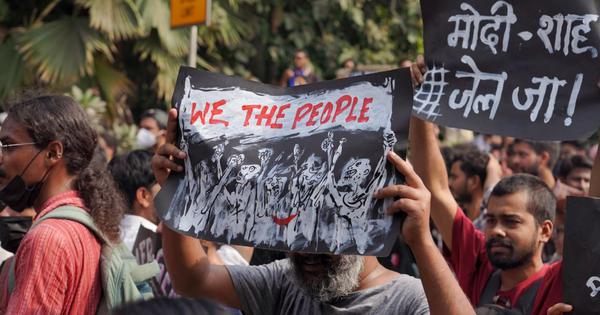
Protesters in India are unhappy about changes to voter lists.
They want election chief Gyanesh Kumar to resign.
Police detained many people who tried to protest in Delhi and other cities.
A court released three Cockroach Janta Party leaders, but said they must not breach the peace for a year.
The leaders said that this condition does not stop them from holding peaceful protests.
They want more demonstrations in Delhi, Mumbai, and elsewhere.
Press groups said some journalists were detained and had equipment taken.
The United Nations raised concerns about the detentions, but India’s government rejected its criticism.

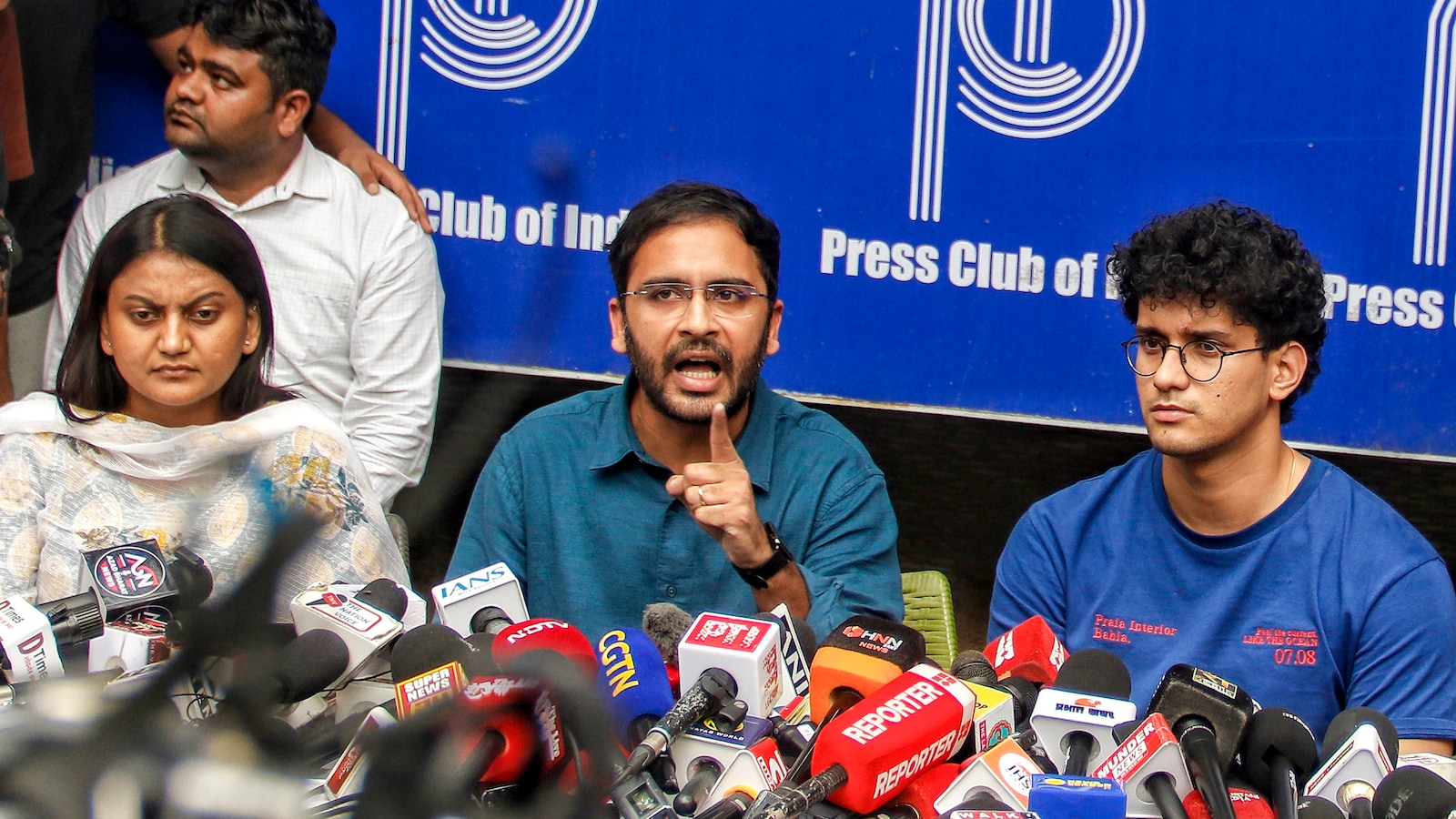
A Delhi magistrate released CJP leaders Abhijeet Dipke, Saurav Das and Ashutosh Ranka after about 24 hours in custody, with a condition not to breach the peace for one year.
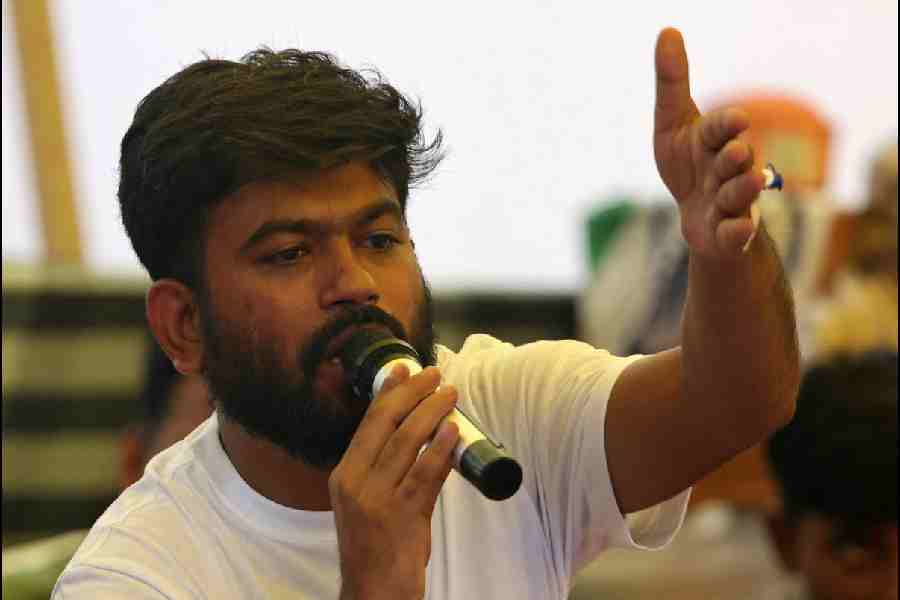
The leaders said they had not agreed to stop protesting and vowed to continue demonstrations until Chief Election Commissioner Gyanesh Kumar resigns.
The protests oppose alleged irregularities in the special intensive revision of electoral rolls; CJP and allied groups called for further demonstrations in Delhi and Mumbai.
Thousands of people were detained during Saturday’s protests; reports cited estimates ranging from at least 3,000 to 7,000, with many later released.
Press groups criticized the detention of journalists, while the UN Human Rights Office raised concerns about mass detentions and India’s government rejected its comments.
- Who
- Cockroach Janta Party leaders, protesters, Indian authorities, press organizations and the UN Human Rights Office.
- What
- CJP leaders were released after detention and vowed to continue protests demanding Gyanesh Kumar’s resignation.
- When
- The detentions took place on Saturday; the leaders were released and further protests were planned for Sunday.
- Where
- Delhi, with related demonstrations or detentions reported in Mumbai and Pune.
- Why
- Protesters object to alleged irregularities in the special intensive revision of electoral rolls.
Criticism of detentions and protest restrictions
Government and BJP responses
Detentions and peaceful assembly
Criticism of detentions and protest restrictions
The UN Human Rights Office said limits on peaceful protests should meet strict tests of necessity and proportionality and called for the release of people it considered arbitrarily detained. Press organizations also criticized the detention and alleged harassment of journalists.
Government and BJP responses
India’s Ministry of External Affairs rejected the UN comments as unwarranted interference, saying peaceful assembly is guaranteed by the Constitution and accusing the UN body of selectivity. The court released the three CJP leaders subject to a one-year condition not to breach the peace.
The protests and political accusations
Criticism of detentions and protest restrictions
CJP leaders said their demonstrations were peaceful and would continue until Gyanesh Kumar resigned. Rahul Gandhi accused Narendra Modi and the BJP of undermining democracy through alleged election manipulation.
Government and BJP responses
BJP chief Nitin Nabin described the CJP as an Opposition arm and alleged it was directed by foreign forces. Delhi Chief Minister Rekha Gupta accused opposition groups of trying to turn Delhi into a battleground, while Defence Minister Rajnath Singh said dissent is a right but spreading anarchy is not.
- Released leaders
- Abhijeet Dipke, Saurav Das and Ashutosh Ranka
- Release condition
- The magistrate ordered that the three not breach the peace for one year; the leaders said this did not bar peaceful protest.
- Protest demands
- The CJP called for Gyanesh Kumar’s resignation and an overhaul of the electoral system.
- Planned demonstrations
- CJP called for another march to Jantar Mantar in Delhi and a 4 pm protest near Shivaji Park in Mumbai.
- Detention estimates
- Reports said at least 3,000 people were detained on Saturday, with estimates reaching 7,000.
- Journalists
- Press organizations alleged reporters were detained despite showing press identification and that phones or reporting equipment were seized; they sought an apology and inquiry.
- Responses to UN concerns
- The UN Human Rights Office called for the release of those it considered arbitrarily detained; India’s Ministry of External Affairs called its concerns unwarranted interference.