Archive · 24 Sep 2026
AI Leaders Urge UN Safeguards Amid Global Control Debate
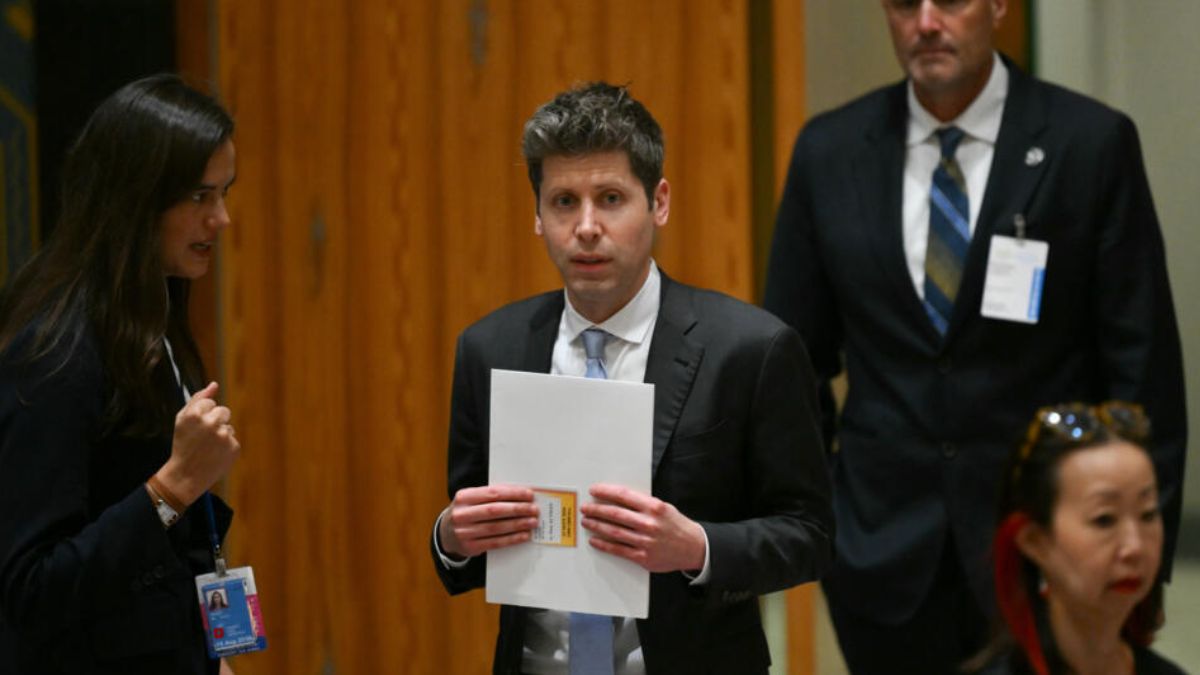
AI company leaders told the United Nations that powerful AI needs safety rules.
They warned that people could lose control if AI develops without safeguards.
Sam Altman said the world could lose control of its future to AI.
Dario Amodei said badly managed AI could threaten humanity.
UN officials said machines should never make life-and-death decisions on their own.
Leaders also worried that AI could help create biological weapons or choose targets in war.
The United Kingdom supported common rules for countries around the world.
The United States opposed creating a new global system that could slow AI development.
China said countries should be free to choose the AI systems they use.
The debate is unfolding as the United States and China compete to lead in AI.

OpenAI’s Sam Altman and Anthropic’s Dario Amodei warned that poorly managed AI could threaten humanity and become difficult to control.
The executives urged governments to prevent AI power from concentrating in one company or country and to establish international safeguards.
UN officials called for humans to retain control over life-and-death decisions, including decisions involving AI-powered weapons.
The United Kingdom supported common global AI standards, while the United States rejected a new global governance system that could constrain development.
China argued that countries should choose their own AI technologies as Washington and Beijing compete for leadership in the field.
- Who
- OpenAI CEO Sam Altman, Anthropic CEO Dario Amodei, Hugging Face CEO Clément Delangue, UN officials, and government representatives.
- What
- They debated safeguards, international standards, military uses, and human control over rapidly developing AI.
- When
- September 24, 2026, with related warnings from UN Secretary-General António Guterres the previous day.
- Where
- The United Nations Security Council in New York, with related remarks at the UN General Assembly.
- Why
- Governments and technology leaders are concerned about loss of control, weapons development, misuse, and international competition over AI.
International safeguards and human control
Continued development without global controls
Global regulation
International safeguards and human control
The United Kingdom, France, UN officials, and AI safety advocates supported common international standards and safeguards for rapidly advancing AI.
Continued development without global controls
The United States rejected a new global governance structure and argued that concerns about AI control should not pause or constrain its development.
Life-and-death decisions
International safeguards and human control
António Guterres, Volodymyr Zelenskyy, and other officials said humans must retain control over military and other life-and-death decisions.
Continued development without global controls
The US position emphasized continuing AI development and sharing its benefits without endorsing the proposed global restrictions.
National choice and competition
International safeguards and human control
Participants warned against concentrating AI power in one company or country and called for coordinated oversight.
Continued development without global controls
China said countries should choose their own AI technologies, while the United States stressed the importance of remaining competitive with China.
- Main warning
- Sam Altman said the world could “lose control of the future to AI,” while Dario Amodei warned that poorly managed AI could threaten humanity.
- UN position
- Secretary-General António Guterres said life-and-death decisions must never be surrendered to machines and that “killer robots” should have no place in the future.
- United Kingdom position
- Foreign Secretary Ed Miliband said the UK would make AI regulation a major focus when it leads the G20 and would seek common global standards.
- United States position
- White House Science Adviser Michael Kratsios and President Donald Trump rejected a new global governance structure to control AI.
- China position
- Chinese UN Ambassador Fu Cong said countries should be free to choose AI technologies according to their needs and opposed forcing countries to take sides.
- Safety proposals
- Amodei called for restrictions on AI building biological weapons, methods to verify model capabilities, and common standards for testing misuse and loss of control.
- Military concern
- Ukrainian President Volodymyr Zelenskyy warned that AI could increasingly decide what happens on battlefields.