

Archive · 19 Jan 2026
Canine Brain Bank Could Reduce Dog Bites
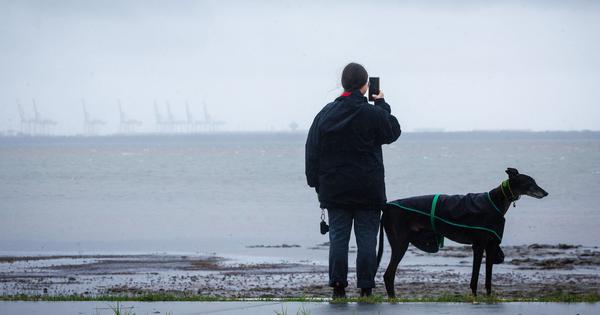
Dog bites are increasing in Australia, with over 9,500 cases in 2021-’22.
Governments are introducing tougher penalties, but a better solution might be a canine brain bank.
This would collect brain tissue from dogs euthanised for aggression to find genetic markers that predict which dogs are more likely to bite.
Currently, identifying aggressive dogs is difficult because they can be mixed breeds, and breed alone doesn't explain much of their behaviour.
Genetic studies show that aggression is complex, and a brain bank could help develop simple blood tests to identify high-risk dogs.
This would allow shelters and breeders to manage dogs better, ensuring they go to the right homes and receive proper training.
However, genetics is just one part of the story; how dogs are raised and trained also plays a big role.
A combined approach of genetic testing and behavioural assessments could help prevent dog attacks more effectively.

Dog-related hospital admissions in Australia more than doubled from 2013 to 2021.
Over 9,500 dog attacks were recorded in Australia in 2021-’22.
South Australian government introduced fines up to A$25,000 for serious dog attacks.
Identifying aggressive dogs is complex due to mixed breeds and limited understanding of genetics.
A canine brain bank could help identify genetic markers for aggression, enabling better management of high-risk dogs.
- Who
- Australian researchers and government officials
- What
- Proposal for a canine brain bank to reduce dog bites
- When
- Proposed in 2013, still not established
- Where
- Australia
- Why
- To identify high-risk dogs before they bite and improve management strategies
- Dog-related hospital admissions
- More than doubled in eight years to 2021 in Australia
- Dog attacks in 2021-’22
- More than 9,500 cases in Australia
- Fines for dog attacks in South Australia
- Up to A$25,000 for serious injuries or deaths
- Breed identification complexity
- Dogs often a mixture of multiple breeds, making identification difficult
- Genetic studies on dog aggression
- Breed explains less than 10% of behavioural variation
- Canine brain bank proposal
- Systematically collect brain tissue from euthanised aggressive dogs
- Potential genetic testing
- Simple blood sample could predict impulsive aggression
- Combined assessment approach
- Behavioural assessments with genetic risk assessment for better management