

Archive · 16 Jan 2026
Karnataka High Court Acquits Man in Burn-Injury Death Case
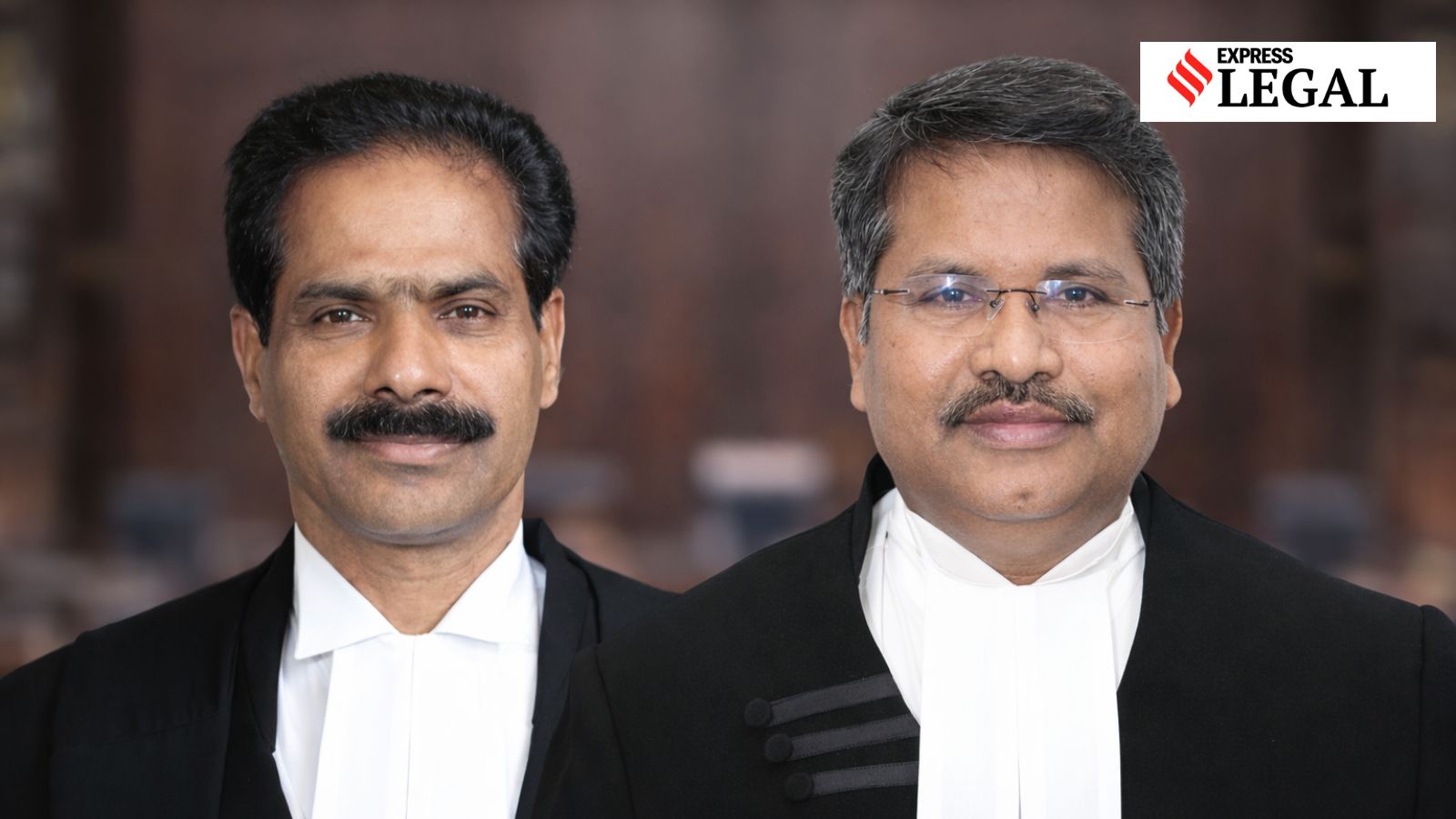
A man was accused of setting a woman on fire, and a lower court sentenced him to life in prison.
The woman had a two-page long dying statement before she died.
The Karnataka High Court said that dying statements should be short, in a question and answer format, and should use the exact words of the person who is injured.
The High Court found the woman's statement was not trustworthy and had doubts about it.
Because of this, they decided to let the man go free.
The court also said that dying declarations should be kept short and to the point to make them more reliable.

The Karnataka High Court acquitted a man who was sentenced to life imprisonment for allegedly setting a woman on fire.
The victim suffered 85% burn injuries and recorded a two-page dying declaration before her death.
The court found the dying declaration was 'shrouded with doubts' and not 'wholly trustworthy'.
The court recommended that dying declarations should be in a question and answer format, short, concise, and use the exact words of the injured.
The man was accused of having an illicit relationship with the victim.
- Who
- A man accused of setting a woman on fire and the Karnataka High Court
- What
- The Karnataka High Court acquitted the man due to doubts about the dying declaration
- When
- The exact date is not specified in the article
- Where
- Karnataka High Court, India
- Why
- The court found the dying declaration was not trustworthy and recommended a different format for such statements
- Victim's Injuries
- 85% burn injuries
- Dying Declaration Length
- Two pages
- Court's Verdict
- Acquittal of the accused
- Original Sentence
- Life imprisonment
- Court's Recommendation
- Short, concise, and Q&A format for dying declarations