

Archive · 14 Aug 2025
India and EU Must Address Carbon Tax in Trade Talks
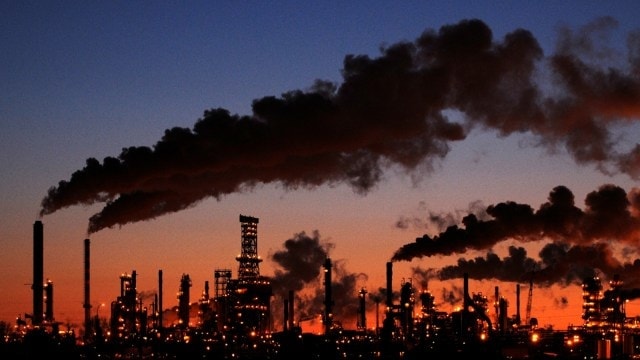
The EU is planning a carbon tax called CBAM that will affect imports.
India, a big exporter to the EU, needs to discuss this.
CBAM could make Indian exports more expensive.
India is already working on green energy.
India should consider its own carbon tax, similar to the EU's, to support its green efforts and potentially avoid extra costs.
This will help keep India competitive and allow it to retain revenue, instead of giving it to the EU.

EU and India are negotiating a Free Trade Agreement (FTA), with CBAM being a key issue.
India's exports of CBAM-regulated goods to the EU have increased significantly.
Many developing nations view CBAM as a violation of development rights and climate equity.
India should focus on its green transition and integrating into global green value chains.
India should consider a domestic carbon tax or export levy, like the EU's system.
- Who
- India and the European Union.
- What
- The impact of the EU's Carbon Border Adjustment Mechanism (CBAM) on India's trade and economy.
- When
- From 2026 onwards.
- Where
- India and the European Union.
- Why
- To address the implications of CBAM on trade, climate goals, and economic competitiveness.
Developing Nations
European Union
Fairness of CBAM
Developing Nations
CBAM is considered a violation of development rights and climate equity.
European Union
The EU views CBAM as a measure to prevent carbon leakage and promote cleaner production globally.
- FTA Negotiations
- Ongoing between India and EU, aiming for completion by end of 2025
- CBAM Implementation
- Starts January 2026
- India's Green Transition
- Exceeded 2030 target for non-fossil electricity
- CBAM Goods Export Growth
- 7.4% annually in recent years
- CBAM Revenue Concern
- Lack of commitment to direct CBAM revenues toward supporting green transitions.
