Archive · 14 Nov 2025
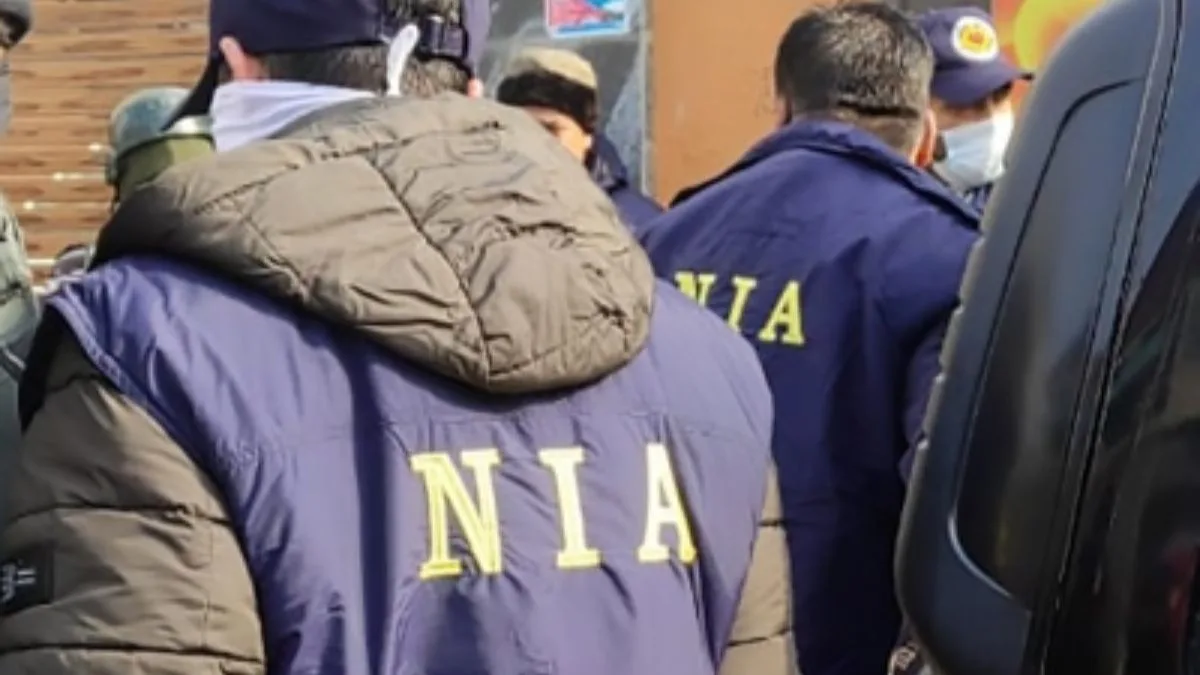
Terror Module Used Draft Emails for Secret Communication: Investigators
Imagine spies trying to send secret messages without anyone finding out.
This group of suspected terrorists had a clever way to talk to each other.
They used a special email account that everyone in the group could use.
Instead of sending emails, they would write a message and save it as a 'draft,' like writing a letter but not putting it in the mailbox.
Then, another member would log into the same account, read the 'draft' message, and delete it.
This way, no message ever traveled over the internet, making it very hard for police to track.
They also used a super-secret texting app called Threema, which is designed to keep messages private.
They might have even set up their own private server for this app.
The police are looking into how these methods were used to plan the blast.

Terror suspects used unsent email drafts in a shared account as a communication method to evade detection.
Messages were saved as drafts and deleted after reading, leaving no electronic trace.
The module also utilized Threema, an encrypted messaging application, for coordination and contact with foreign handlers.
Investigators suspect the use of a private Threema server for secure exchange of sensitive documents, maps, and layouts.
The communication methods demonstrated a high level of planning and caution to avoid surveillance and interception.
- Who
- Investigators and suspected members of a terror module, including Dr. Umar Un Nabi, Dr. Muzammil Ganaie, and Dr. Shaheen Shahid.
- What
- The terror module used a novel communication method involving unsent email drafts saved in a shared account and encrypted messaging apps like Threema to evade detection.
- When
- Thursday (reported), ongoing investigation into a deadly blast near the Red Fort.
- Where
- New Delhi (blast location), investigators' findings.
- Why
- To coordinate conspiracy, communicate with foreign handlers, and share sensitive information related to the blast plot while avoiding surveillance and interception.
Law Enforcement Investigators
Suspected Terrorists
Communication Method
Law Enforcement Investigators
Investigators uncovered a sophisticated communication strategy using unsent email drafts saved in a shared account to evade detection.
Suspected Terrorists
The suspects utilized a shared email account, saving messages as drafts instead of sending them, to leave no electronic trace and avoid surveillance.
Use of Encrypted Apps
Law Enforcement Investigators
Investigators found that encrypted apps like Threema were used to coordinate the conspiracy and communicate with foreign handlers, with suspicions of a private server for secure exchange of sensitive information.
Suspected Terrorists
The suspects relied on encrypted messaging applications like Threema, which do not require personal information for registration and offer end-to-end encryption, to facilitate secure communication and information sharing.
- Key Suspects
- Dr. Umar Un Nabi, Dr. Muzammil Ganaie, Dr. Shaheen Shahid
- Primary Communication Method
- Unsent email drafts in a shared account
- Secondary Communication Method
- Threema (encrypted messaging application)
- Reason for Method
- To evade surveillance, prevent interception, and leave no electronic trace
- Information Shared
- Sensitive documents, maps, layouts, location sharing, task assignments
- App Features Utilized
- End-to-end encryption, no phone number/email for registration, message deletion, no metadata storage
Sources
Marco Rubio calls Delhi blast ‘clear terrorist attack’, says US has ‘offered to help’

China’s foreign minister extends condolences to India, Pakistan over deadly blasts

What Investigators Found About Red Fort Blast Module's Secret Communication Network