

Archive · 11 Oct 2026
Delhi Protests Have Echoed Far Beyond the Capital
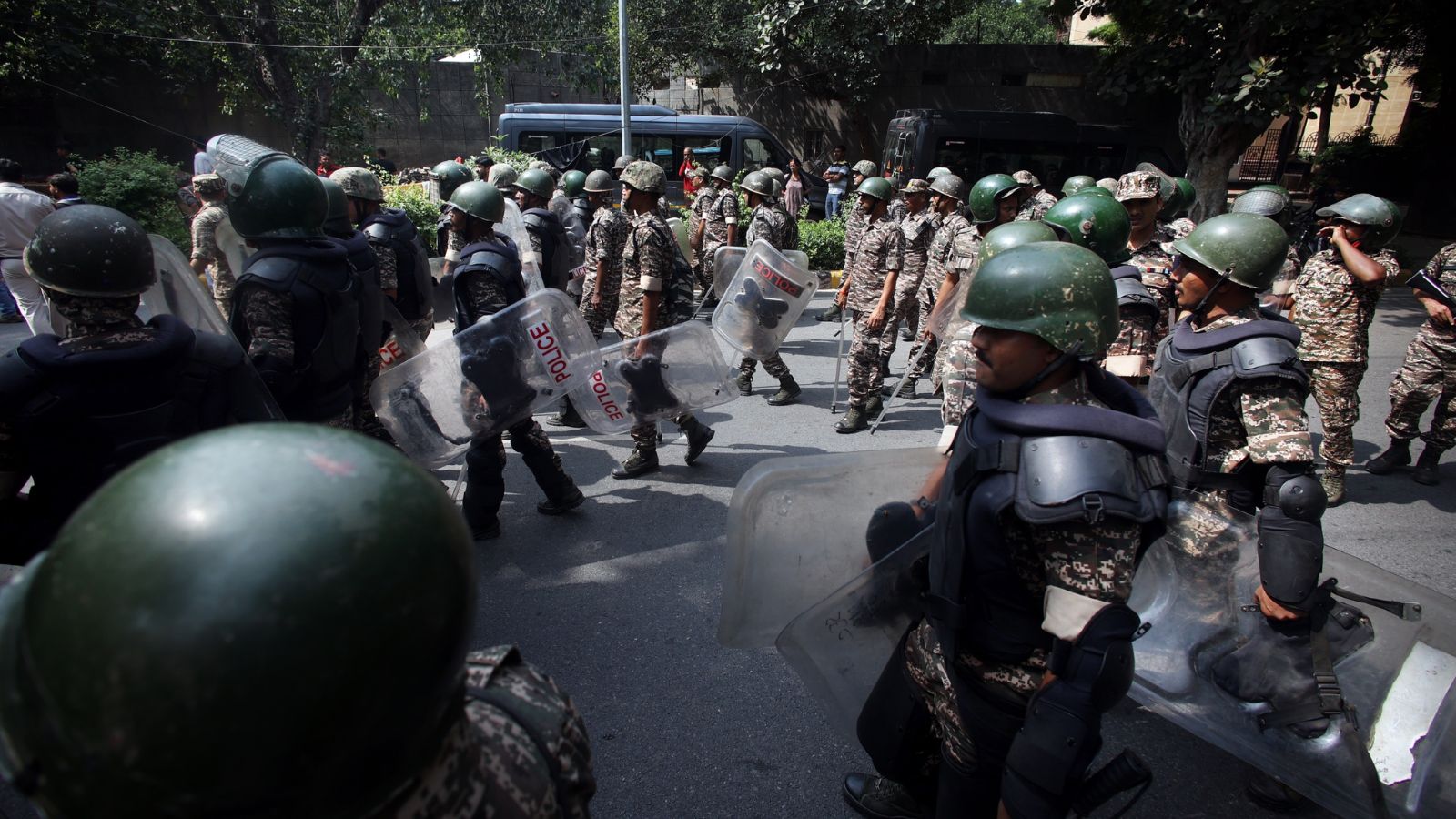
A political leader said that protests at Jantar Mantar are too small to represent all of India.
This opinion piece says that even a small place in Delhi can become important because the government and many news organizations are there.
It looks back at protests by students, farmers and other groups.
Some protests helped change politics or brought public problems into national discussions.
The article also describes demonstrations about corruption and women's safety.
People disagree about whether protests are disruptive or an important way to be heard.
The writer says their effects can reach far beyond Delhi.

BJP spokesperson and MP Sambit Patra said Jantar Mantar's protests did not represent India as a whole and called them a failure.
The opinion piece argues that Delhi protests can gain symbolic weight because the capital is close to political power and national media.
It traces protest movements from the JP movement and Emergency through farmer rallies, Mandal protests, the Ram Temple movement and Jantar Mantar demonstrations.
The article says Delhi protests have brought issues including farmers' demands, corruption and women's safety into national debate.
Its central argument is that protests in Delhi can carry grievances from across India and reverberate well beyond the sites where they occur.
- Who
- Protesters and political leaders, including BJP spokesperson and MP Sambit Patra.
- What
- An opinion piece examines the history and influence of protests in Delhi.
- When
- Published after Patra's remarks on Saturday afternoon; the piece also reviews protests from the 1950s onward.
- Where
- Delhi, including Jantar Mantar, Ram Lila Maidan and the Boat Club lawns; the article discusses movements across India.
- Why
- To consider whether Delhi protests are local disruptions or a way for people to seek attention, accountability and change.
Protests as democratic expression
Protests as limited or disruptive
Whether Delhi protests reflect wider public sentiment
Protests as democratic expression
The opinion piece argues that Delhi protests can carry grievances from communities across India and influence national debate.
Protests as limited or disruptive
Patra argued that a protest at Jantar Mantar does not represent India as a whole and described the protests as a failure.
Whether demonstrations are legitimate dissent or anarchy
Protests as democratic expression
The article presents protest as a way for people to be heard, seek accountability and press for change.
Protests as limited or disruptive
Patra labelled civil society protesters and Opposition leaders “anarchists”; the article notes that protests can also be viewed as disruptions.
- Opinion writer
- Aakash Joshi
- Political figure quoted
- Sambit Patra, BJP national spokesperson and Lok Sabha MP
- Protest site discussed
- Jantar Mantar
- Patra's characterization
- He called the protests a failure and described civil society protesters and Opposition leaders as “anarchists.”
- Historical protest movement
- The JP movement began as a student agitation in Bihar and culminated in a rally at Delhi's Ram Lila ground.
- Farmer demonstrations cited
- Charan Singh's rally in 1978 and Mahendra Singh Tikait's 1988 protest at the Boat Club lawns.
- Other movements cited
- Mandal Commission protests, the Ram Temple movement, the Anna Hazare anti-corruption movement and protests after a 2012 rape and murder in Delhi.