

Archive · 28 Sep 2025
India's eSIM Revolution: Transforming Telecom and Connectivity
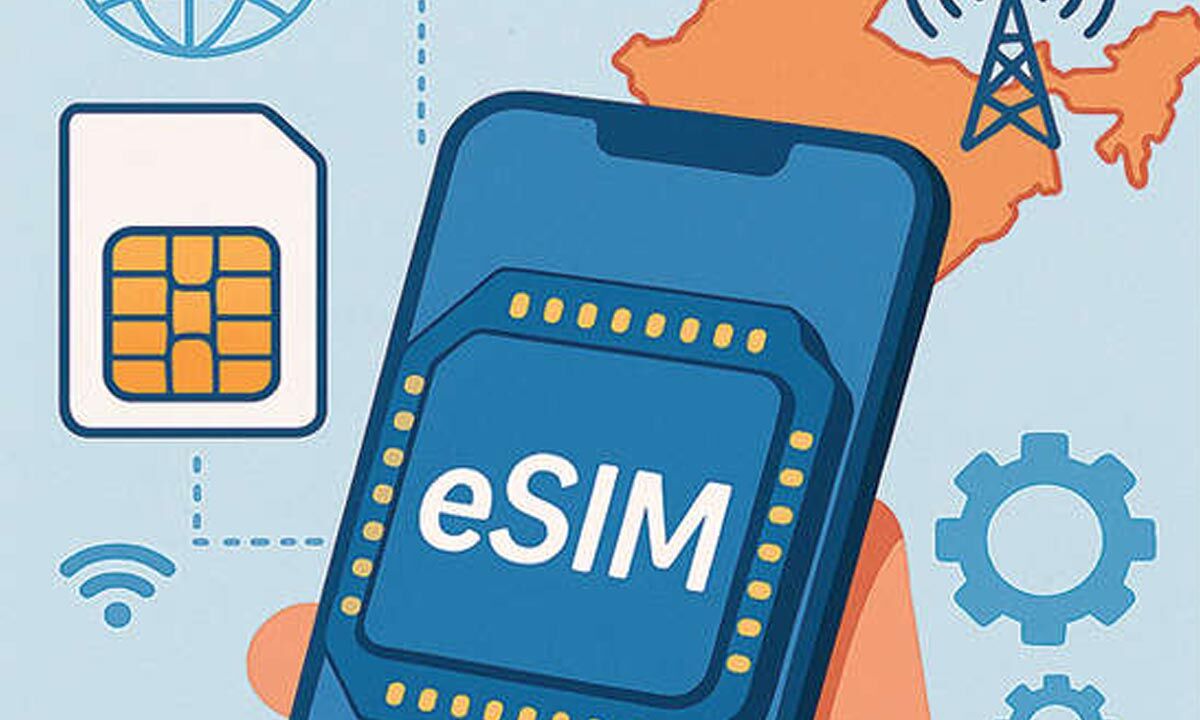
Imagine a SIM card built right into your phone, like a permanent digital key.
That's an eSIM!
It's smaller, more secure, and lets you switch phone providers easily.
It's especially useful for things like smartwatches and devices that need to connect to the internet.
Telecom companies are rolling out these eSIMs across India.
BSNL recently launched its eSIM services and other companies are already providing this service.
You can get one by visiting a service center, and a QR code will help you get connected.
These eSIMs make changing providers easier, and also help prevent theft.
They're also better for the environment.
There are some guidelines on how to switch these eSIM profiles.

eSIMs are embedded SIMs, eliminating the need for physical SIM cards.
eSIM technology is supported on most flagship devices since 2018.
M2M eSIMs are designed for IoT devices and have features like preloaded profiles.
BSNL launched eSIM services in Tamil Nadu and plans a nationwide rollout.
TRAI provided recommendations for eSIM deployment and profile transfers.
- Who
- BSNL, Jio, Airtel and Vodafone Idea
- What
- Rolling out or offering eSIM services.
- When
- eSIM specifications released in 2016; BSNL soft-launched recently
- Where
- India, with BSNL aiming for nationwide availability.
- Why
- To provide instant SIM-less activation, enhanced security and to stay competitive in the market.
- eSIM Definition
- Embedded SIM, integrated into a device's motherboard.
- eUICC Function
- Software allowing multiple network profiles.
- M2M eSIM
- Specialized for IoT/M2M devices, with features like preloaded profiles.
- BSNL eSIM Launch
- Soft-launched in Tamil Nadu, with nationwide rollout planned.
- eSIM Benefits
- Instant activation, improved security, cost-efficiency, and eco-friendliness.
- TRAI Recommendations
- Guidelines on M2M eSIM profile switching and consumer eSIM profile transfer.