

Archive · 19 Jan 2026
South Korea Opens Doors to Indian Engineers Amid Skills Shortage
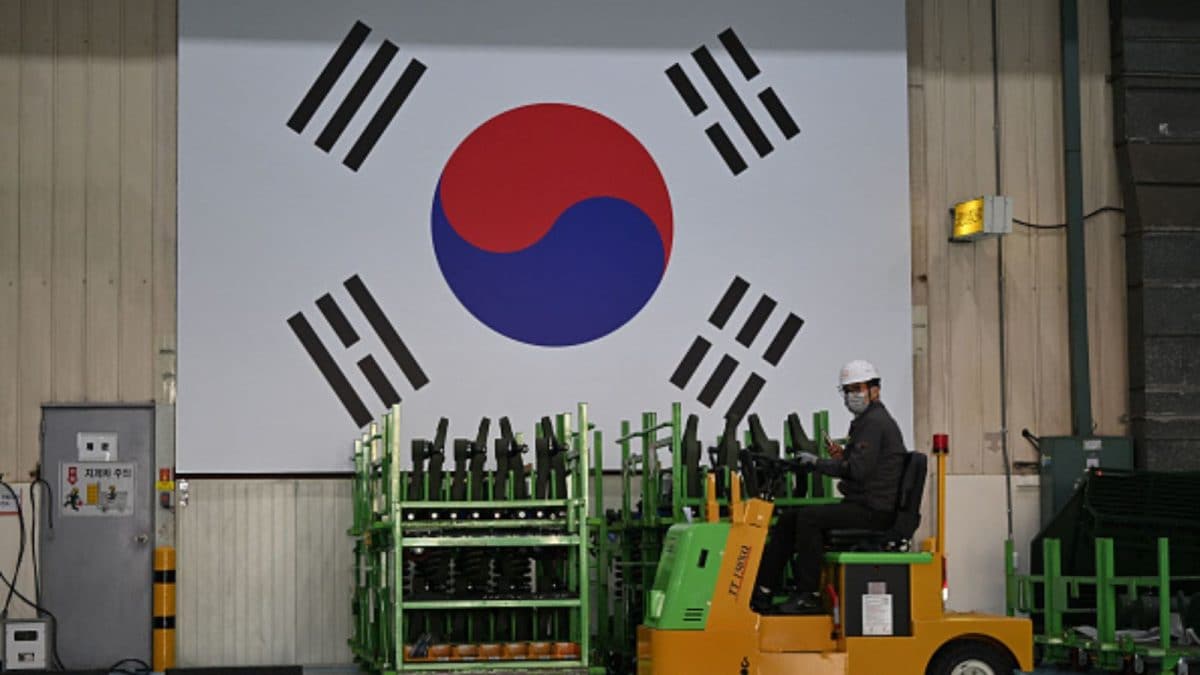
South Korea is having a problem because many of its people are getting old, and not enough babies are being born.
This means there aren't enough workers to fill important jobs in areas like technology, healthcare, and engineering.
So, South Korea is now trying to attract foreign workers, including Indians, to come and work in these fields.
They have created special visas to make it easier for people with the right skills to move to South Korea.
Indian engineers, IT professionals, and healthcare workers might find new job opportunities there.
However, there are some challenges, like learning the Korean language and getting their qualifications recognized.
This situation shows that even countries with a lot of young people, like India, need to keep investing in education and skills to stay competitive.

South Korea is facing a demographic crisis with low fertility rates and an aging population, leading to labor shortages in critical sectors.
The country has introduced targeted immigration policies, such as the 'Top-Tier Visa', to attract foreign talent in high-skilled areas like semiconductors, biotechnology, healthcare, IT, and AI.
Indian professionals, particularly engineers, IT specialists, and healthcare workers, are among those who could benefit from these new opportunities.
Challenges for foreign workers include language barriers, credential recognition, social integration, and complex visa processes.
South Korea's shift highlights the importance of continuous investment in skills and education to maintain a competitive workforce.
- Who
- Indian engineers, tech specialists, healthcare professionals, IT professionals, academics, and researchers
- What
- South Korea is implementing targeted immigration policies to attract foreign talent in critical sectors due to an aging population and low fertility rates
- When
- The shift in immigration policies began in 2025 with the introduction of the 'Top-Tier Visa'
- Where
- South Korea, particularly in regions like Gyeonggi and Ulsan
- Why
- To address labor shortages in specialized, high-skill areas critical to competitiveness in the global economy
- Fertility Rate
- 0.74 in 2024
- Life Expectancy
- 83.7 years
- Indian Population in South Korea
- 12,000 to 17,000
- Target Sectors
- Semiconductors, Biotechnology, Robotics, Healthcare, IT, AI, Digital Skills, Education, Research
- Visa Categories
- E-7, D-10, F-2-7
- STEM Majors in South Korea
- 19%
- STEM Majors in US
- 55%