

Archive · 19 May 2025
Vitamin D Deficiency Linked to Uterine Fibroids Growth
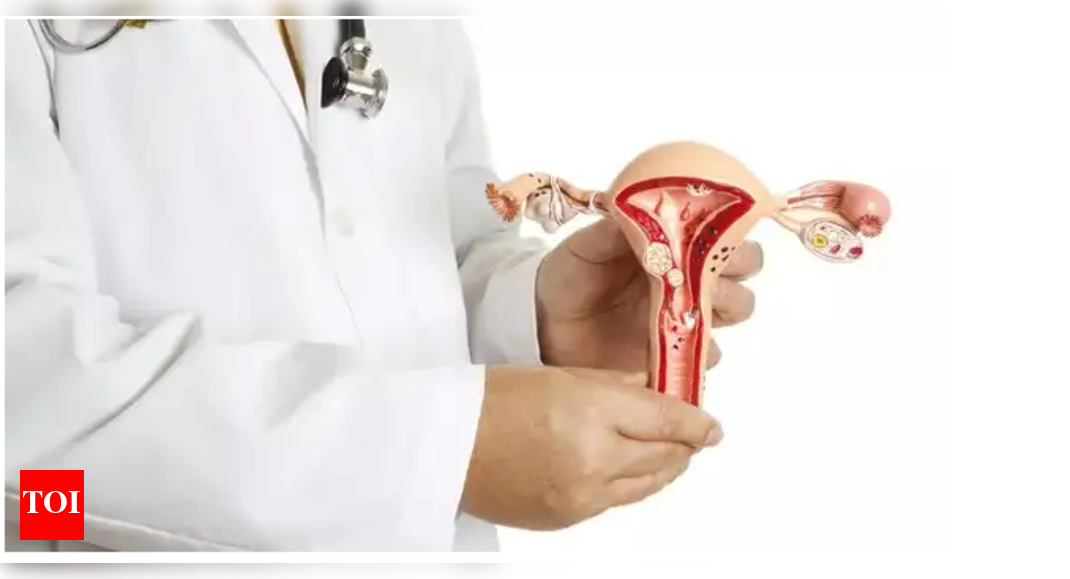
Uterine fibroids, non-cancerous growths in the uterus, can cause pain and irregular periods.
Research suggests a link between low vitamin D levels and fibroid development.
Vitamin D helps control cell growth; when levels are low, fibroids may grow faster.
Studies show women with fibroids often have less vitamin D, and deficiency may worsen existing fibroids.
Vitamin D can be obtained through sunlight, food, and supplements.
Taking vitamin D supplements might help reduce fibroid risk and slow growth, but further research is needed.

Uterine fibroids are non-cancerous growths in the uterus that can cause issues.
Research suggests a link between vitamin D deficiency and the development/growth of fibroids.
Vitamin D helps regulate cell growth; low levels may allow fibroids to grow faster.
Women with fibroids often have lower vitamin D levels compared to those without.
Vitamin D supplementation might help reduce fibroid risk and control growth.
- Who
- Women with uterine fibroids, particularly those with darker skin tones, may be at higher risk.
- What
- Vitamin D deficiency may be linked to the development and growth of uterine fibroids.
- When
- Research indicates an association between vitamin D deficiency and uterine fibroids.
- Where
- Uterus.
- Why
- Vitamin D regulates cell growth, and low levels may allow fibroids to grow rapidly.
- Uterine Fibroids
- Non-cancerous growths in the uterus
- Vitamin D levels
- Lower levels in women with fibroids
- Vitamin D Function
- Regulates cell growth
- Vitamin D deficiency effects
- May worsen existing fibroids
- Vitamin D Supplementation
- Simple, safe, and cost effective