

Archive · 6 Nov 2025
US Mulls Stricter 'Public Charge' Rules, Impacting Immigrants
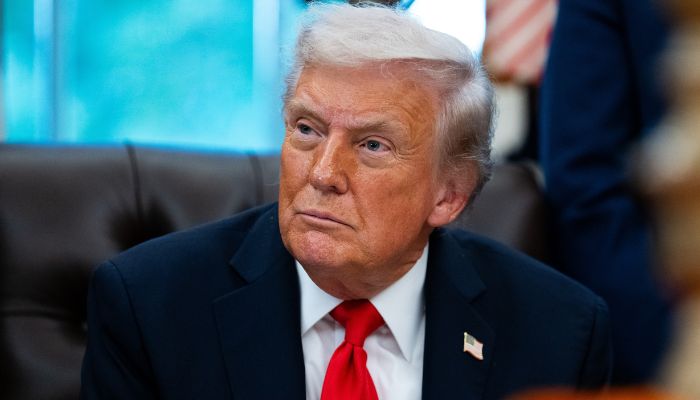
The U.S. government is considering making it harder for immigrants to get a green card or change their immigration status.
They are looking at a rule called 'public charge,' which checks if someone might need too much help from the government.
This new proposal could mean that using government programs like food stamps (SNAP) or health care (Medicaid) could make it harder to stay in the U.S. This is a change from the current rules, which focus more on cash aid and less on non-cash benefits.
Many immigrants, especially from India who use these programs for their children or during job changes, are worried.
They fear this could make family-based immigration and even adjustments for skilled workers more difficult.
The government says this is about enforcing immigration laws, but immigrant advocates are concerned about access to essential services.

USCIS has submitted a proposed rule package that could tighten 'public charge' scrutiny for immigrants seeking green cards or status changes.
The potential changes may reverse the 2022 policy that limited consideration to cash welfare and government-funded long-term care.
Immigrants, particularly Indian nationals who are major users of employment and family-based immigration pathways, face heightened risk.
Concerns exist that using non-cash benefits like SNAP, Medicaid, or CHIP could negatively impact an immigrant's eligibility.
The proposed rule aligns with the Trump administration's broader push for stricter immigration enforcement and visa policies.
- Who
- US Citizenship and Immigration Services (USCIS) under the Trump administration
- What
- Submitted a regulatory package that could significantly tighten the 'public charge' ground of inadmissibility for immigrants.
- When
- The package was filed with the OIRA on November 3, with a broader immigration enforcement push occurring since January 20.
- Where
- United States
- Why
- To increase scrutiny on immigrants' potential reliance on public benefits, aligning with stricter immigration and visa enforcement policies.
Government Rationale (Implied)
Concerns for Immigrants and Families
Public Charge Scrutiny
Government Rationale (Implied)
The proposed rule aims to tighten scrutiny on immigrants' potential reliance on public benefits, aligning with stricter immigration enforcement policies.
Concerns for Immigrants and Families
A stricter public charge rule could negatively impact immigrants, including Indian nationals, by making it harder to obtain green cards or adjust status, especially if they have used or may need to use non-cash benefits like SNAP, Medicaid, or CHIP.
Family-Based Immigration
Government Rationale (Implied)
The existing Immigration and Nationality Act allows agencies to block entry or status changes for non-citizens likely to rely heavily on government aid.
Concerns for Immigrants and Families
Family-based petitions, such as for parents (IR-5), may face higher denial rates if household income is below certain poverty guidelines or if applicants have used benefits like SNAP/Medicaid, making it extremely difficult for sponsors to support family.
Impact on High-Skilled Workers
Government Rationale (Implied)
Stricter rules are part of a broader strategy to enforce immigration laws and ensure immigrants are not a burden on public resources.
Concerns for Immigrants and Families
High-skilled workers, particularly H-1B visa holders from India, may avoid essential benefits like SNAP or school lunches for their U.S.-born children due to fear of complicating their status adjustment, even during job transitions.
- Regulatory Body
- US Citizenship and Immigration Services (USCIS)
- Regulatory Action
- Submitted a proposed rule package to OIRA to tighten 'public charge' inadmissibility grounds.
- Filing Date
- November 3
- Current Policy (2022)
- Limited consideration to cash welfare and government-funded long-term care, exempting non-cash programs like SNAP, standard Medicaid, housing assistance, WIC.
- Potential Impact
- Increased scrutiny on green card applicants and status changes regarding use of public benefits.
- Affected Groups
- Green card applicants, H-1B visa holders, LPRs sponsoring parents, Indian nationals (large segment of EB-2/EB-3 backlog).
- Projected Denial Spikes (MPI)
- 15-25% drop in Medicaid/SNAP enrollment among immigrant families; 20-30% denial spikes for family petitions.
Sources
Trump admin has cancelled 80,000 non-immigrant visas since January 2025
Why Were 80,000 US Visas Revoked Under Trump? 3 Crimes Account For Half of Revocations
White House: 80,000 nonimmigrant visas revoked under Trump
