

Archive · 1 Nov 2025
India's Fatty Liver Epidemic: Doctors Highlight Lifestyle Factors and Reversal Strategies
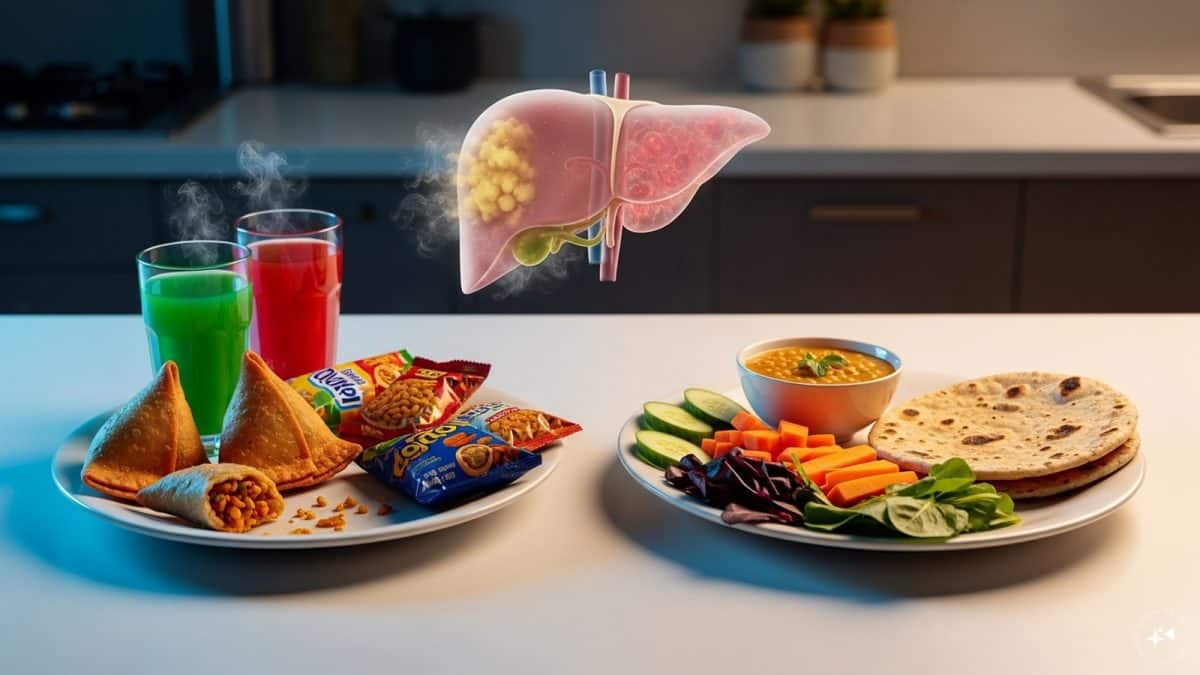
Imagine your liver is like a busy factory in your body.
Sometimes, when we eat too many sugary drinks, fried foods, and don't move around enough, fat can build up in this factory.
This is called fatty liver, and it's happening to a lot of people in India, even those who work hard in the fields or sit at computers all day.
Doctors are worried because it can be a 'silent' problem, meaning you might not feel sick at first.
But it can lead to more serious issues later.
The good news is that by eating healthier foods like fruits and vegetables, being more active, and getting enough sleep, we can help clean up the fatty buildup.
Early check-ups can also help catch it before it becomes a big problem.

Non-alcoholic fatty liver disease (NAFLD) is spreading across both urban and rural India, affecting approximately 38% of adults.
Key drivers include changing dietary habits with increased intake of refined carbs and fried foods, decreased physical activity, alcohol consumption, and poor sleep.
IT professionals show alarmingly high prevalence rates (84% in one study) due to sedentary jobs, irregular eating, stress, and lack of sleep.
The condition can affect individuals of normal weight ('lean but fatty') due to metabolic dysfunction.
Early detection through regular check-ups and lifestyle modifications like balanced diet and exercise are crucial for reversing NAFLD.
- Who
- Doctors, Indian adults, IT professionals, rural populations
- What
- Rising prevalence of Non-alcoholic fatty liver disease (NAFLD) and strategies for its detection, reversal, and prevention.
- When
- Current; described as a growing crisis
- Where
- Across India, including urban and rural areas
- Why
- Lifestyle transitions, diets rich in refined carbohydrates and fried foods, decreased physical activity, alcohol use, disrupted sleep, sedentary work hours, stress, and metabolic dysfunction.
Factors Contributing to Fatty Liver
Prevention and Reversal Strategies
Causes of NAFLD
Factors Contributing to Fatty Liver
Primarily driven by lifestyle factors including poor diet (refined carbs, fried foods, sugary drinks), sedentary behavior, alcohol use, and disrupted sleep, leading to metabolic dysfunction.
Prevention and Reversal Strategies
Focus on proactive lifestyle changes such as balanced nutrition (fruits, vegetables, lean proteins, whole grains), regular exercise (30-45 minutes daily), consistent meal timings, adequate hydration, and avoiding alcohol.
Risk Groups
Factors Contributing to Fatty Liver
Previously considered an urban, desk-job related issue, it now affects rural populations and 'lean' individuals due to metabolic issues, even without being overweight.
Prevention and Reversal Strategies
Emphasizes early detection through regular screenings (ultrasound, fibroscan) and health check-ups, especially for those with diabetes, obesity, or high cholesterol.
Public Health Approach
Factors Contributing to Fatty Liver
Highlights the silent nature of the disease and the need for greater public awareness and governmental/healthcare system intervention.
Prevention and Reversal Strategies
Stresses the importance of individual responsibility in adopting healthy habits and the role of workplaces and schools in promoting liver health awareness and screening programs.
- Prevalence in India
- Approximately 38% of Indian adults
- Rural Prevalence
- Near 29%
- IT Professionals Prevalence
- 84% (ICMR-backed Hyderabad survey)
- Key Drivers
- Changing diets, alcohol consumption, poor sleep, metabolic dysfunction, sedentary lifestyle
- Reversal Strategy
- Lifestyle changes including diet, exercise, and regular monitoring
- Early Detection Signs
- Fatigue, abdominal discomfort, loss of appetite, bloating, weight gain