

Archive · 26 Jan 2026
7 Risk Factors for Thyroid Cancer
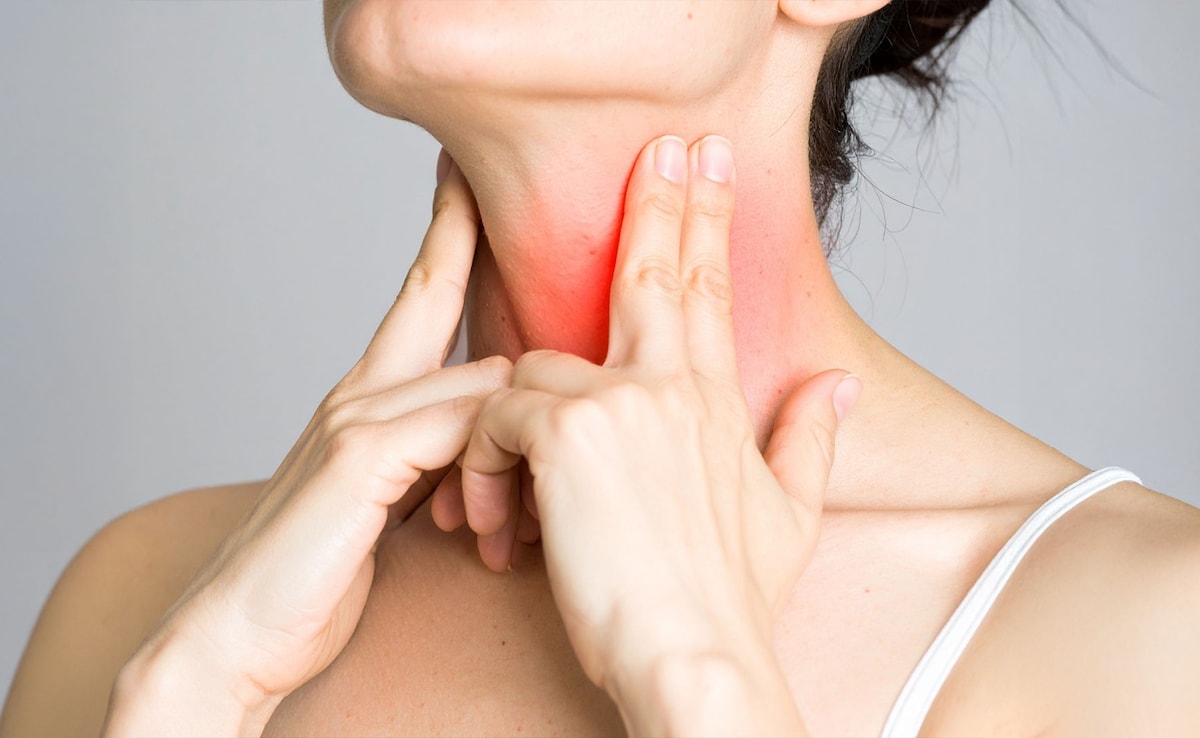
Thyroid cancer happens when cells in the thyroid gland grow abnormally.
It's becoming more common because doctors are better at finding it early.
The thyroid is a small gland in your neck that helps control important things like your energy and heart rate.
Some things can make you more likely to get thyroid cancer, like getting radiation treatment, having family members with thyroid cancer, being a woman, not getting enough iodine, having lumps in your thyroid, being overweight, and getting older.
If you notice a lump in your neck, changes in your voice, or trouble swallowing, you should see a doctor.
Thyroid cancer is usually treatable if found early.

Thyroid cancer is more frequently diagnosed due to improved detection methods, leading to better outcomes.
Key risk factors include past radiation exposure, family history, being female, iodine deficiency, pre-existing thyroid nodules, obesity, and age.
Thyroid cancer is more common in women aged 30-60 and can be influenced by hormonal factors.
Early diagnosis through physical exams, blood tests, ultrasounds, and biopsies is crucial for effective treatment.
Maintaining a healthy lifestyle, including a balanced diet and regular exercise, can help lower the risk of thyroid cancer.
- Who
- Individuals with risk factors such as past radiation exposure, family history, and obesity
- What
- Thyroid cancer, a condition where abnormal thyroid cells grow uncontrollably
- When
- Thyroid cancer can occur at any age but is commonly diagnosed in young to middle-aged adults and later in life
- Where
- The thyroid gland, located at the front of the neck
- Why
- Due to factors like radiation exposure, genetic conditions, hormonal influences, iodine deficiency, pre-existing thyroid conditions, lifestyle factors, and environmental exposures
- Thyroid Function
- Regulates metabolism, energy levels, heart rate, and body temperature
- Common Type
- Papillary thyroid cancer
- High-Risk Group
- Women aged 30-60
- Diagnostic Tools
- Physical examination, blood tests, ultrasound, fine-needle aspiration biopsy (FNAC)
- Prevention Tips
- Maintain healthy weight, stay active, avoid tobacco, use iodized salt