

Archive · 10 Aug 2025
Han Kang's 'The White Book' Explores Grief and Absence
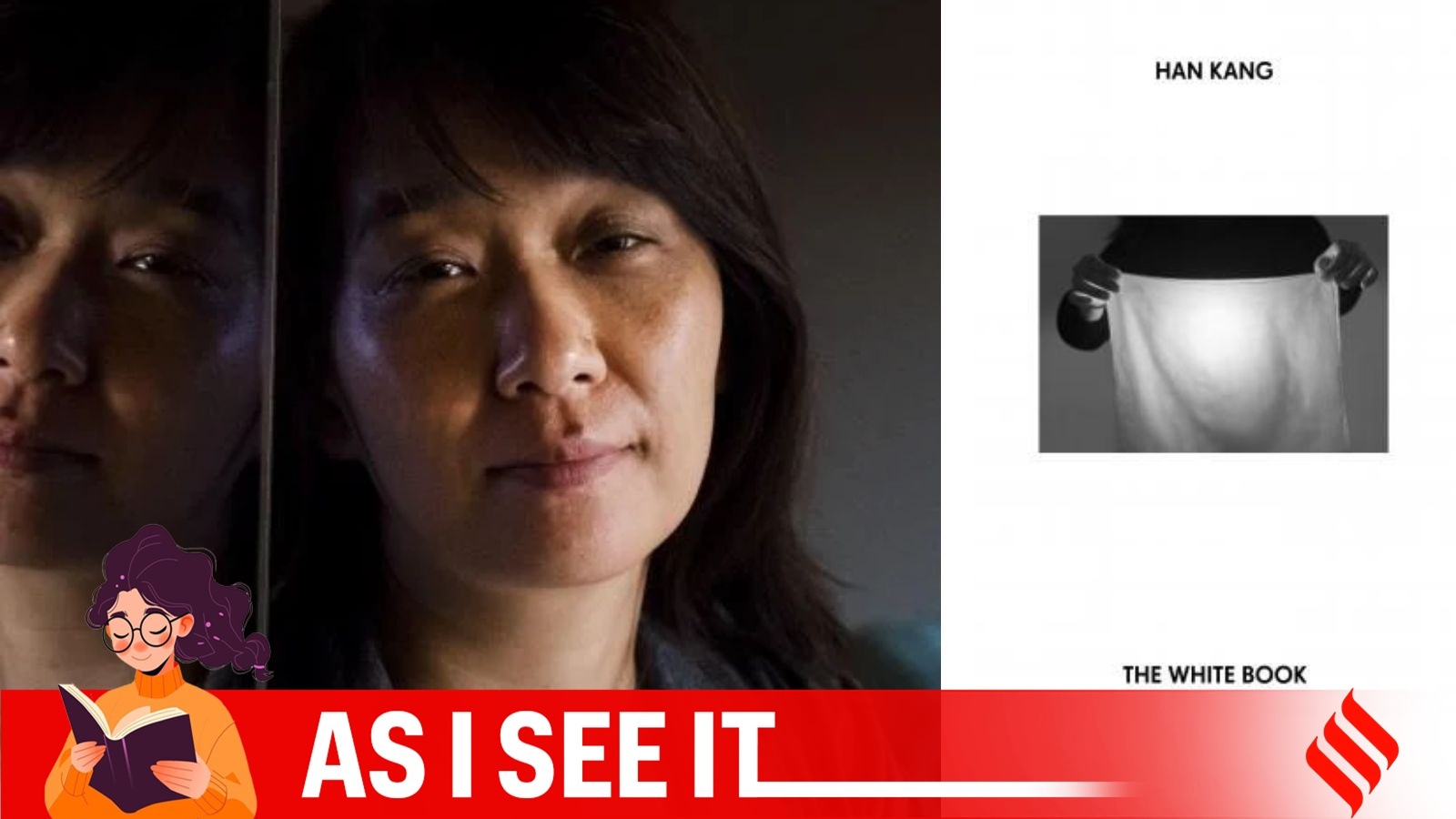
Imagine a book where a famous author, Han Kang, thinks about her sister who died right after being born.
This book, called 'The White Book,' uses the color white to represent things like snow, rice, and blank paper.
It's like the author is trying to understand what it means to miss someone you never knew.
She uses the color white to represent both an ending and a new beginning.
It also lets her imagine what her sister's life might have been like, thinking about what she would have experienced like gazing at the stars.
It explores how things that aren't there can still shape our lives.

Han Kang's 'The White Book' explores grief, possibility, and the concept of an unlived life.
The novel uses white objects and imagery to create a space for contemplating loss and absence.
Kang's sister died shortly after birth, and the book imagines a life that never happened.
The book is described as a cross between a novel, a meditation, and a memoir.
The story delves into how absences shape us as much as presences do.
- Who
- The book is written by South Korean author Han Kang.
- What
- The novel 'The White Book' by Han Kang explores themes of grief, absence, and imagined lives.
- When
- The articles do not provide specific dates related to the book's context.
- Where
- The novel does not have a specified setting.
- Why
- The book contemplates grief, possibility, and how absences shape our lives.
- Author
- Han Kang
- Book Title
- The White Book
- Main Theme
- Grief and Absence
- Key Concept
- Imagining an unlived life
- Style
- Lyrical, meditative
- Setting
- Unspecified, with symbolic use of white imagery