

Archive · 7 Oct 2026
Francis Halzen Wins Nobel Prize for Antarctic Neutrino Discovery
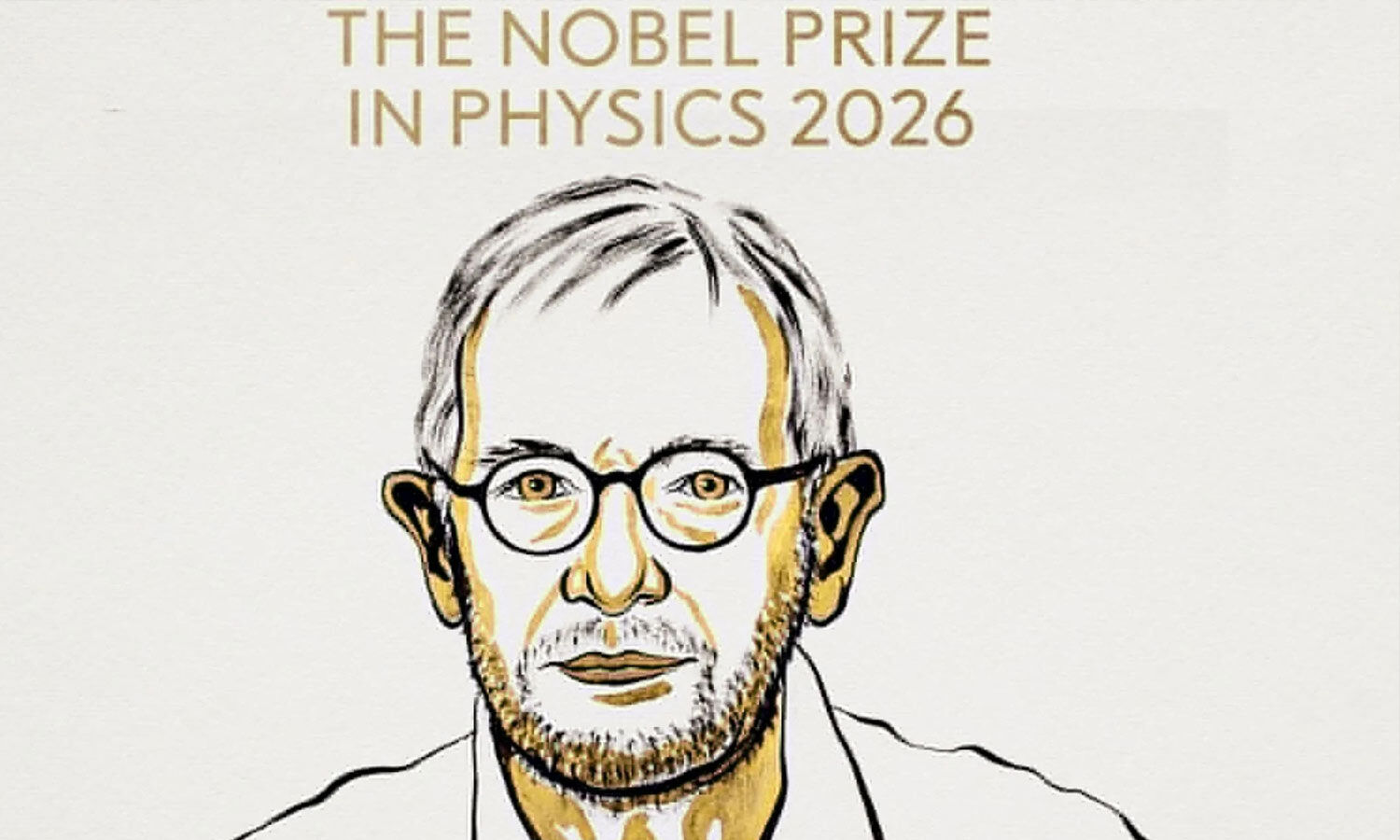
Francis Halzen won the Nobel Prize in physics for his work on studying neutrinos.
Neutrinos are tiny particles that have no electric charge and are very hard to detect.
Trillions pass through our bodies every second.
They rarely bump into other matter, so scientists need very large detectors to catch them.
Halzen proposed using Antarctic ice as part of a giant detector.
The IceCube observatory looks for tiny flashes of light made when neutrinos interact with ice.
It detected high-energy neutrinos that came from faraway galaxies.
Halzen said he was surprised by the prize and hoped it would help his research proposal.

Belgian-born physicist Francis Halzen won the Nobel Prize in physics, announced Tuesday.
The Nobel committee cited Halzen's work helping make the IceCube Neutrino Observatory possible.
IceCube uses Antarctic ice and sensors to detect flashes of light from neutrino interactions.
The observatory detected the first high-energy neutrinos from faraway galaxies.
Halzen said the award surprised him and hoped it would help get a research proposal approved.
- Who
- Belgian-born physicist Francis Halzen.
- What
- He won the Nobel Prize in physics for work instrumental to the IceCube Neutrino Observatory.
- When
- The prize was announced Tuesday; the article gives no date.
- Where
- The award was announced in Stockholm; IceCube is in Antarctica.
- Why
- The Nobel committee recognized Halzen's efforts to study neutrinos and his instrumental role in the construction of IceCube.
- Award
- Nobel Prize in physics
- Recipient
- Francis Halzen
- Announcement
- Tuesday; no date stated
- Observatory
- IceCube Neutrino Observatory
- Location
- Antarctica
- Key finding
- The observatory glimpsed the first high-energy neutrinos from faraway galaxies.
- Detection method
- Sensors detect flashes of light produced when neutrinos interact with ice.