3 weeks ago
India may flag Bloomberg's G-Sec index inclusion delay

India borrows money by selling special savings papers called government bonds, which are known as G-Secs.
A company called Bloomberg keeps a big list of bonds from many countries, called the Global Aggregate Bond Index.
When a country's bonds are on that list, many foreign investors want to buy them.
India recently made it easier and cheaper for foreign investors to buy its bonds.
India wanted Bloomberg to add its bonds to the big list.
But Bloomberg said it needed more time to see if the new rules were working well.
India is not happy about waiting and thinks it already did everything needed.
Adding India to the list could lower India's borrowing costs and help support its currency, the rupee.
So India may talk to Bloomberg to ask for a faster decision.

New Delhi may raise its concerns with Bloomberg over the decision to defer Indian government securities from its flagship Global Aggregate Bond Index.
India said it opened the entire G-Sec spectrum from 1-year to 40-year maturities and gave foreign investors tax relief.
Bloomberg said on August 1 that it needs more time to ensure recent market reforms are fully embedded in trading and operational practices.
FPI holdings of G-Secs rose to Rs 4.33 lakh crore, or 3.76% of outstanding stock, on August 10 from Rs 3.75 lakh crore, or 3.34%, on May 12, 2026.
Bank of Baroda Chief Economist Madan Sabnavis said the deferment was not really required and that index inclusion would have supported inflows.
- Who
- The Government of India (New Delhi) may raise concerns with Bloomberg, with comments from Bank of Baroda Chief Economist Madan Sabnavis; the Reserve Bank of India was part of the reform package.
- What
- Concern over Bloomberg's decision to defer Indian government securities from inclusion in its Global Aggregate Bond Index.
- Where
- India (New Delhi), involving international bond index decisions affecting Indian markets.
- When
- Bloomberg issued its statement on August 1; FPI holdings data cited is from May 12 and August 10, 2026, and the tax exemptions took effect April 1, 2026.
- Why
- India had opened G-Secs fully to foreign investors with tax concessions to attract dollar inflows and ease pressure on the rupee, and expected early index inclusion.
India's viewpoint
Bloomberg's viewpoint
Timing of Indian G-Sec index inclusion
India's viewpoint
The deferment was not required because India opened the full G-Sec maturity spectrum and offered tax relief; early inclusion would reduce borrowing costs and support inflows into infrastructure and manufacturing.
Bloomberg's viewpoint
More time is needed to ensure recent market reforms are fully embedded in day-to-day trading and operational practices before deciding on index inclusion.
Key facts
- Index
- Bloomberg Global Aggregate Bond Index
- Bloomberg statement date
- August 1
- FPI G-Sec holdings (Aug 10)
- Rs 4.33 lakh crore (3.76% of outstanding stock)
- FPI G-Sec holdings (May 12)
- Rs 3.75 lakh crore (3.34%)
- FAR G-Sec holdings
- Rs 3.73 lakh crore (6.95%), up from Rs 3.21 lakh crore
- FCNR(B) inflows
- Around $43 billion; window open until September 30
- Government-RBI package announced
- June 5
- Tax exemption effective
- April 1, 2026 (interest income, short-term and long-term capital gains)
Quotes
Unnamed official
Indian government representative
“Many market participants would like to see these enhancements become more firmly established in day-to-day market practice before a decision is made on index inclusion, "Bloomberg said in a statement on August 1."”
 financialexpress.com
“We opened up the whole (G-sec) spectrum from 1 year to 40 years maturity and gave tax relief, "an official said, calling the liberalisation a "holy grail."”
financialexpress.com
Madan Sabnavis
Chief Economist, Bank of Baroda
“I think the deferment was not really required as the government had already gone along with several steps on this front. My sense is that this could have been done mainly due to the global uncertainty prevailing where they may have chosen to stick to the status quo.”
financialexpress.com
Sources
Related news
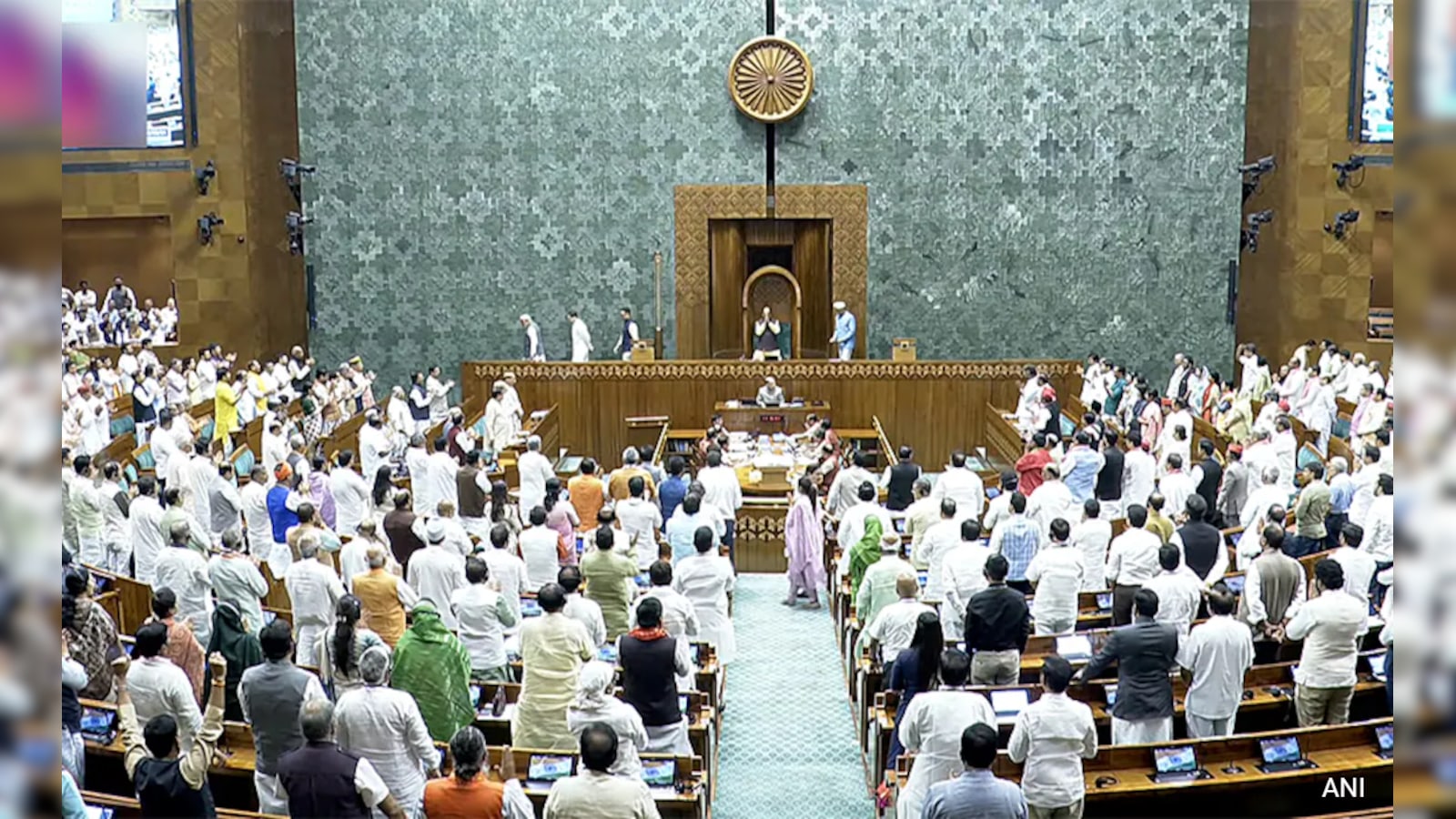
Lok Sabha Passes Bill Granting Tax Exemption To Foreign Bond Investors

Japanese Financial Institutions Seek Easier Access to India’s Markets
Jefferies: FCNR-B inflows may hit $100 billion, shielding India

RBI Net Buys $561 Million in June, Rupee Appreciates

New-Age Indian Stocks Rally, But Analysts See Uneven Upside
HDFC Bank Trading Slumps to Six-Month Low as Funds Buy

Apple Watch Series 12 Reportedly Gains New Health Features

iPhone 18 Pro India Launch: Expected Price and Upgrades

Tim Cook’s Pay and Wealth Trail Elon Musk’s