1 week ago
Why Congress High Command Limits D.K. Shivakumar’s Karnataka Authority

D.K. Shivakumar became Karnataka’s chief minister in June 2026.
The Congress party took several weeks to decide that Siddaramaiah would step down.
Shivakumar also had to wait almost two months to complete his team of ministers.
The party’s national leaders helped decide who received ministerial jobs and important departments.
This made some people wonder whether Shivakumar had enough control over his own government.
Two leaders, Ramalinga Reddy and Belur Gopalkrishna, were involved in disagreements over positions and portfolios.
Even so, Shivakumar has moved quickly on plans for jobs, roads, technology, water and social welfare.
He wants Karnataka to become a much larger economy by 2047.
The main question is whether Congress will give him enough freedom to lead before the 2028 election.

D.K. Shivakumar became Karnataka chief minister on 3 June 2026 after Siddaramaiah resigned following weeks of Congress deliberations.
The first 14-member Cabinet was followed nearly two months later by the induction of 19 additional ministers on 3 August.
The expanded Cabinet and portfolio allocations were shaped by high-command negotiations, affecting Shivakumar’s preferred choices.
Disputes involving Ramalinga Reddy and Belur Gopalkrishna highlighted the chief minister’s need to negotiate with senior leaders and legislators.
Shivakumar has announced major economic, employment, technology, infrastructure and welfare initiatives despite concerns about his political autonomy.
- Who
- D.K. Shivakumar, the Congress high command, Siddaramaiah, Karnataka ministers and legislators.
- What
- Shivakumar’s authority as chief minister is being questioned because Cabinet formation and portfolio decisions were subject to high-command intervention, although he has launched an ambitious governance agenda.
- Where
- Karnataka, with key leadership decisions involving Congress leaders in Delhi.
- When
- Shivakumar became chief minister on 3 June 2026; 19 additional ministers were inducted on 3 August 2026.
- Why
- The Congress high command retained influence over succession, ministerial appointments and portfolios, while the party faces the 2028 Karnataka Assembly election.
Concerns About High-Command Control
Case for Shivakumar’s Leadership
Control over the Cabinet
Concerns About High-Command Control
The delayed Cabinet expansion and changes to Shivakumar’s preferred choices suggest that the Congress high command and national leaders retain substantial influence over his government.
Case for Shivakumar’s Leadership
Despite those constraints, Shivakumar has assembled a full Cabinet and maintained continuity in the government’s guarantee schemes while introducing new initiatives.
Portfolio and legislative disputes
Concerns About High-Command Control
The Ramalinga Reddy portfolio episode and Belur Gopalkrishna’s threatened resignation are presented as evidence that Shivakumar must negotiate rather than command unquestioned loyalty.
Case for Shivakumar’s Leadership
Shivakumar personally intervened to retain Gopalkrishna and worked through disagreements over portfolios, showing active political management.
Governance record before 2028
Concerns About High-Command Control
The article argues that repeated clearance from Delhi could weaken Shivakumar’s authority over the bureaucracy, party organisation and election preparation.
Case for Shivakumar’s Leadership
His announcements on jobs, economic growth, infrastructure, technology, water security, agriculture, health and welfare demonstrate urgency and an effort to establish an administrative record.
Key facts
- Chief minister
- D.K. Shivakumar
- Predecessor
- Siddaramaiah
- Swearing-in date
- 3 June 2026
- Cabinet expansion
- 19 additional ministers were inducted on 3 August 2026, following an initial 14-member Cabinet.
- Economic target
- Shivakumar aims to transform Karnataka into a $3 trillion economy by 2047.
- Employment plans
- The government announced plans to fill 72,000 government vacancies within six months and create one lakh private-sector jobs in backward districts through Udyoga Nidhi.
- Technology plans
- Proposals include a government-driven AI University, AI education from Class VI, green data centres and technology hubs beyond Bengaluru.
Sources
Related news

Karnataka CM Shivakumar Holds Delhi Talks on Portfolio Allocation
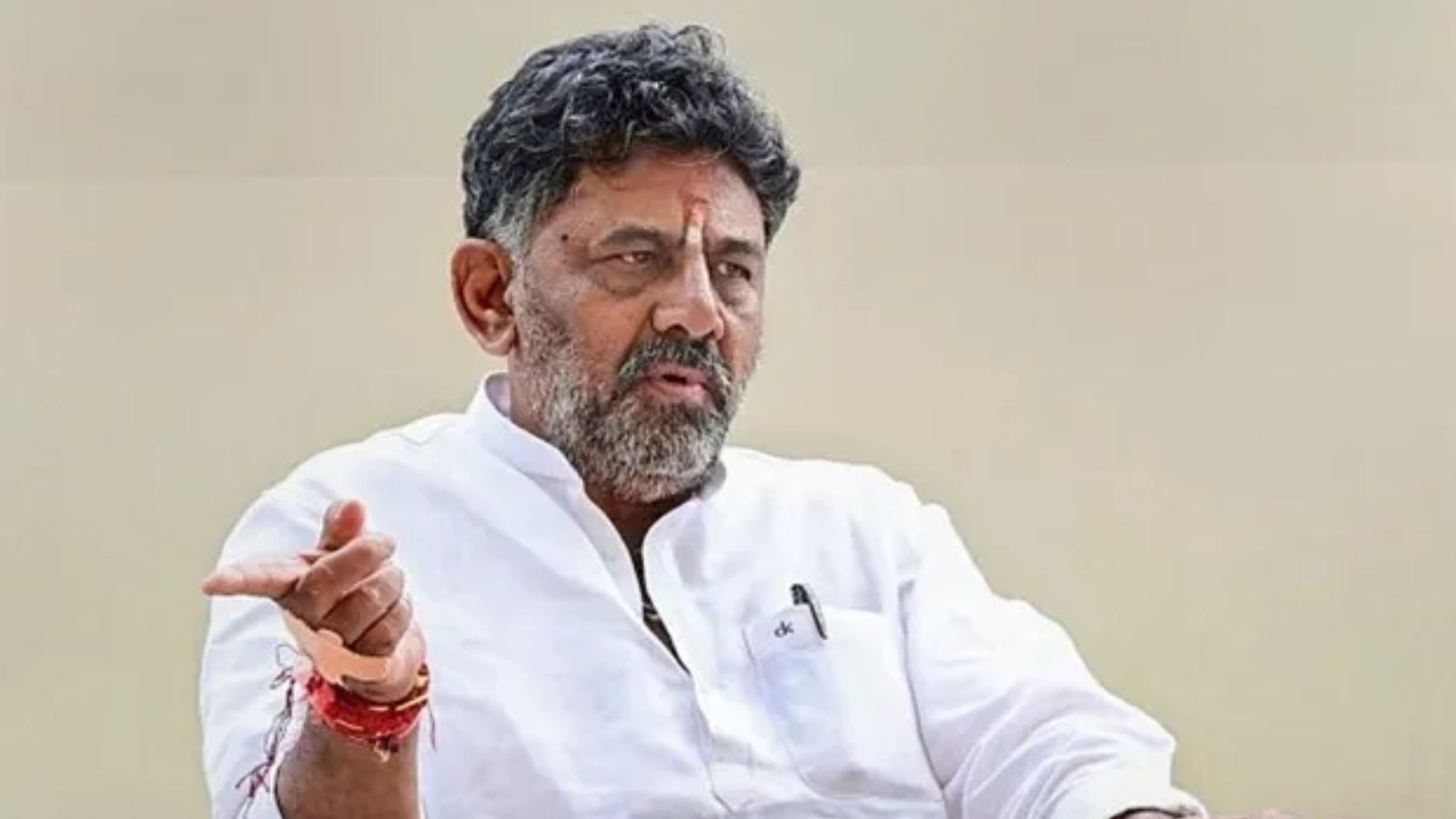
Shivakumar assures Karnataka MLAs passed over in Cabinet expansion

Karnataka Deputy CM Accepts Shivakumar Despite Chief Ministerial Ambitions

Karnataka LoP Ashoka calls CM Shivakumar 'dummy' over portfolio delay

Portfolio Allocation Prerogative of CM Shivakumar, Says Kharge
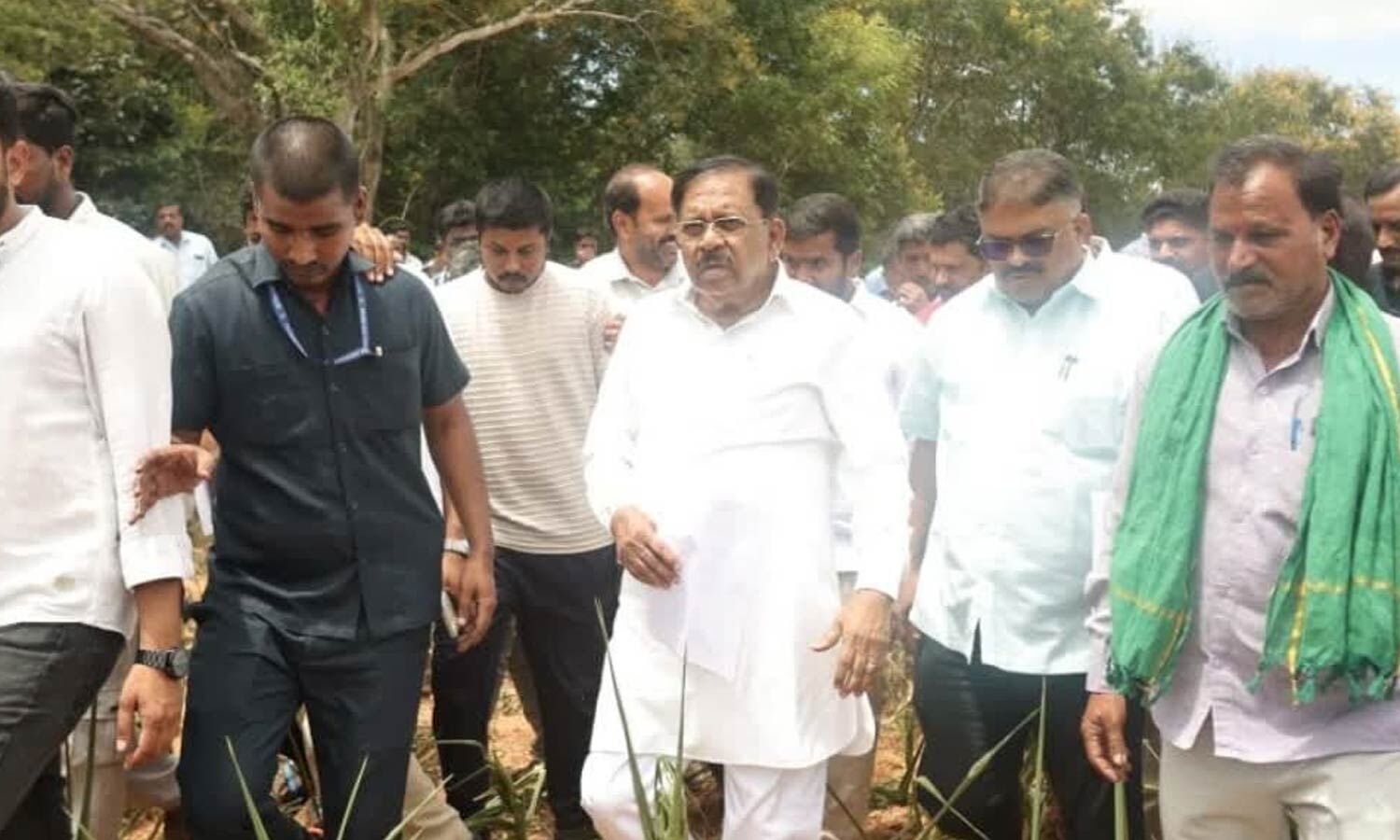
Deputy CM Warns Against Drought Loan Recovery Harassment
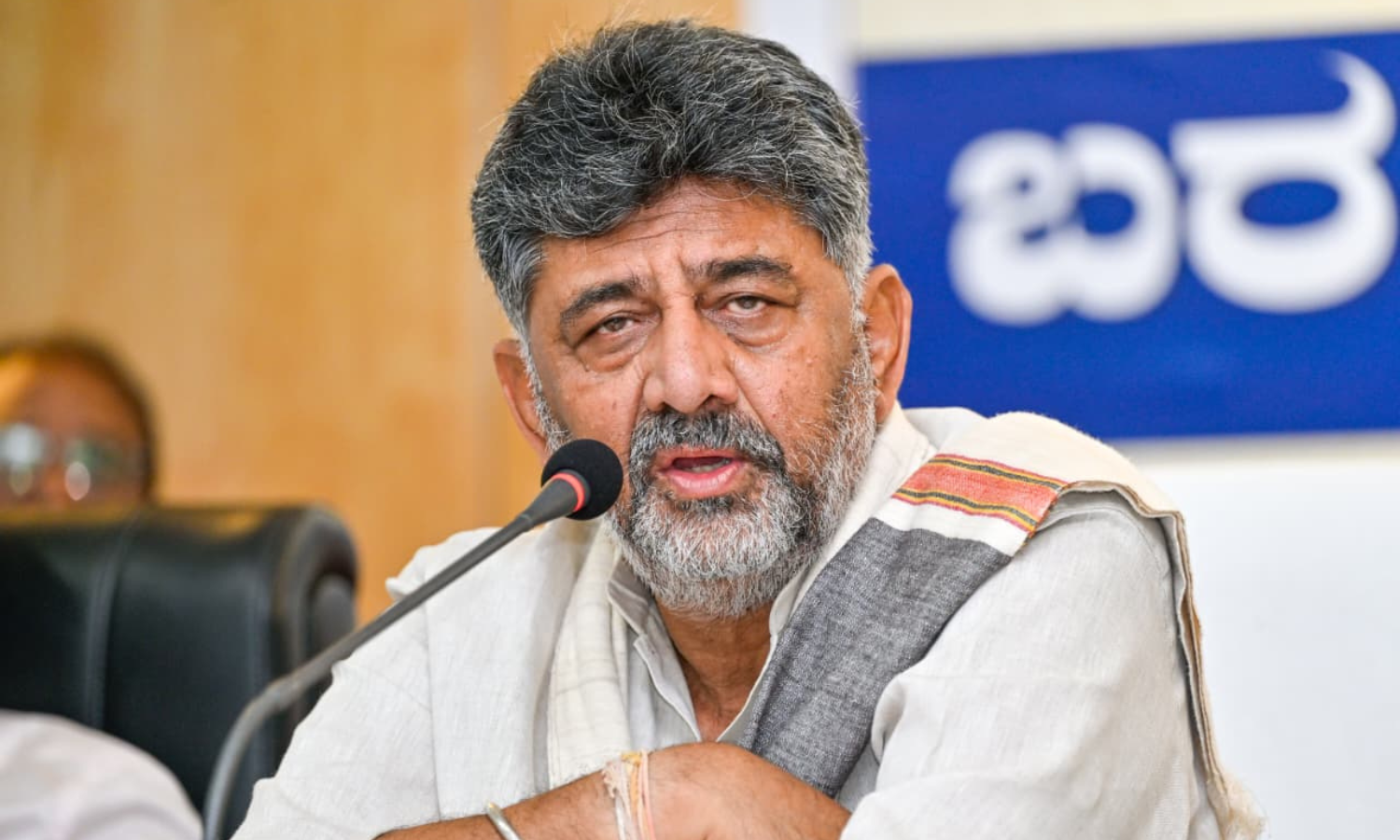
Karnataka Plans Second Drought List After Wider Coverage Demands
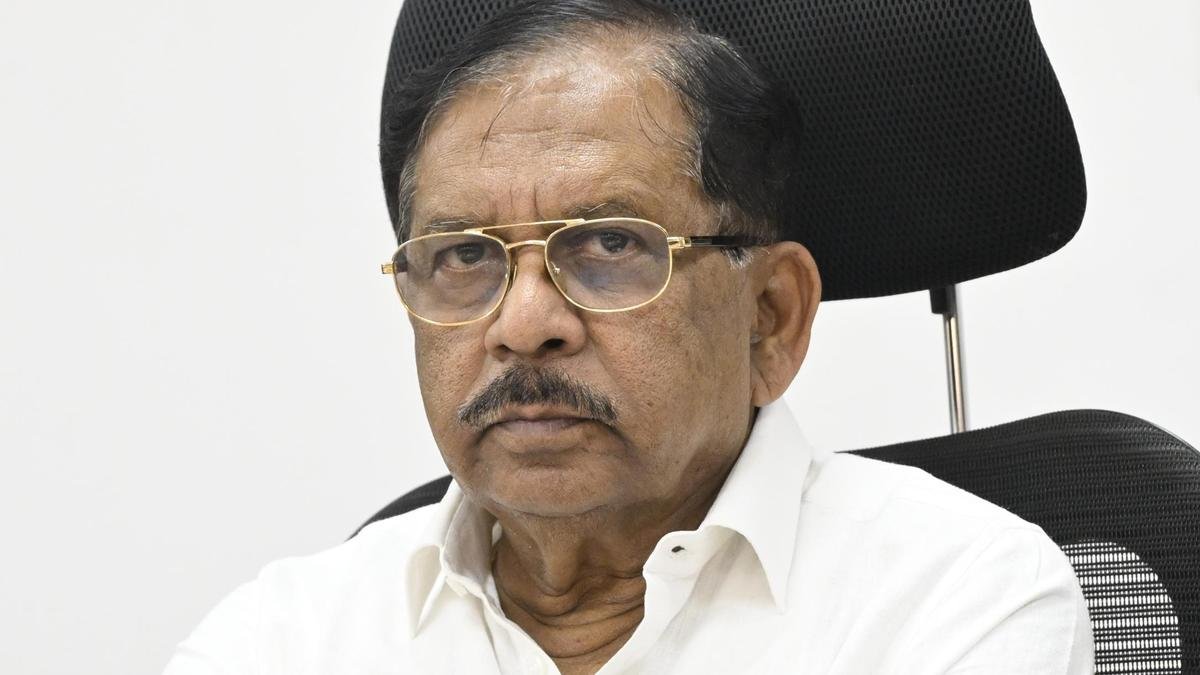
Karnataka BJP Padayatra Draws Sharp Response From Deputy CM

Kumaraswamy Turns Nagendra Resignation Into Attack On Karnataka Government

Karnataka Declares 101 Taluks Drought-Affected, Seeks Central Relief