

Archive · 2 Nov 2025
UN Faces Existential Crisis on its 80th Anniversary
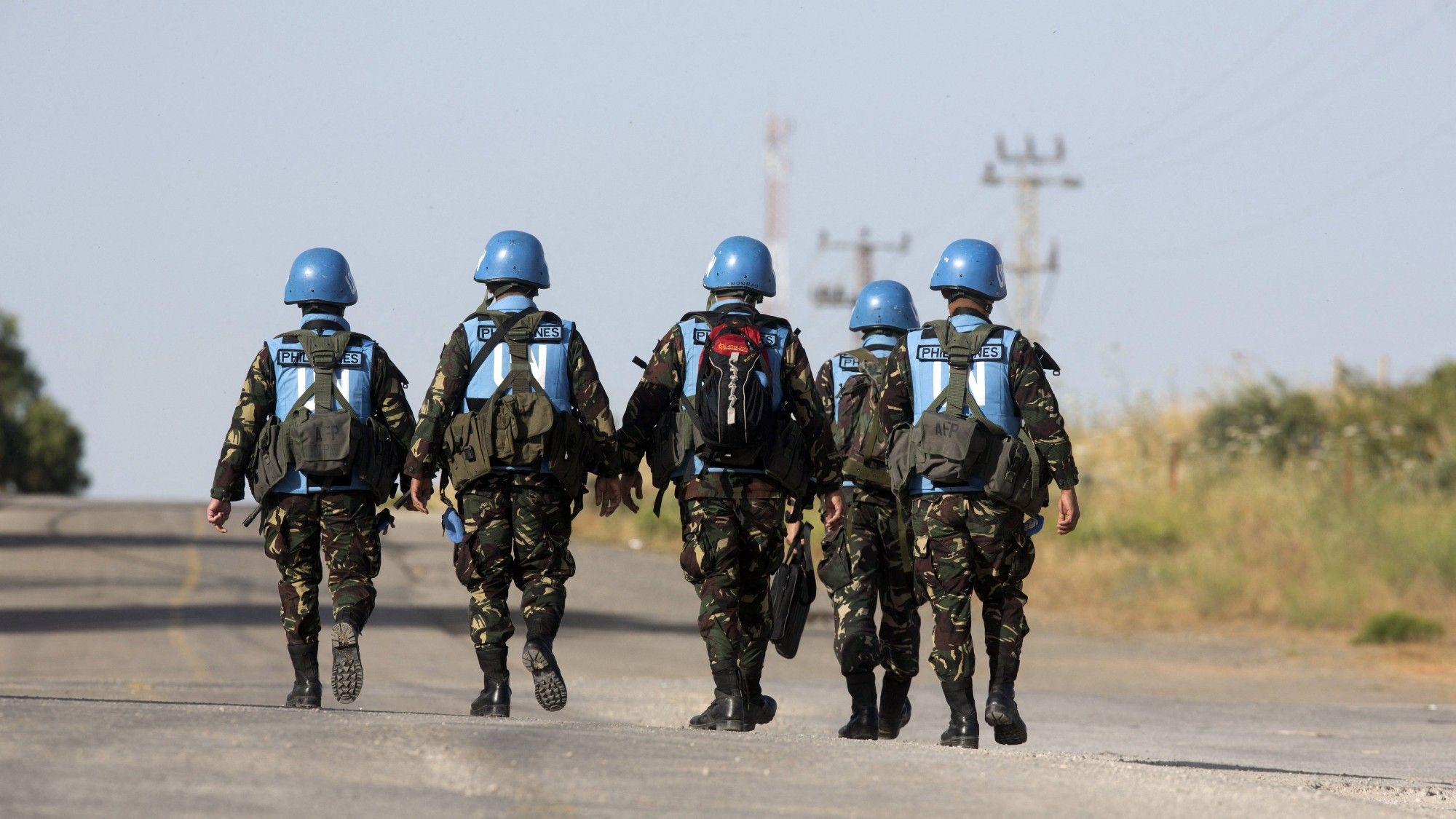
Imagine a big club for almost all the countries in the world that was started after a giant fight (World War II) to try and stop future wars.
This club is called the United Nations, and it's now 80 years old!
It has a main meeting room where everyone can talk, like a world parliament.
But there's also a smaller, more powerful room where five big countries have the most say and can stop anything they don't like.
This club has done some good things, like helping countries become independent and getting rid of diseases.
However, sometimes it can't stop big fights, like wars happening now, because those powerful countries disagree.
Some countries think the club isn't fair anymore and are even thinking of making their own smaller clubs.
Also, one of its biggest helpers, America, is thinking about giving less money and support, which makes the club weaker.
So, even though it's been around a long time and done some good, it's having a hard time being useful today.

The United Nations is celebrating its 80th anniversary but faces significant challenges to its effectiveness.
Established after WWII to prevent future wars, the UN has codified international law and mediated peace settlements.
Structural issues, particularly the Security Council veto power held by five permanent members, often lead to inaction.
Recent conflicts in Ukraine and Gaza, along with ongoing wars like in Sudan, highlight the UN's perceived limitations.
Financial instability, partly due to potential funding cuts from the US, and the rise of alternative blocs like BRICS threaten its operational capacity.
- Who
- The United Nations
- What
- Marking its 80th anniversary amidst significant global challenges and internal structural flaws, leading to questions about its relevance and effectiveness.
- When
- October 24, 2024 (80th anniversary), with planning beginning in 1939 and foundation in 1945.
- Where
- Globally, with its headquarters in New York and peacekeeping operations worldwide.
- Why
- Facing criticism due to its perceived inability to prevent modern conflicts, structural issues like the Security Council veto, allegations of sexual abuse by peacekeepers, funding cuts, and geopolitical shifts favoring alternative blocs.
Supporters' View
Critics' View
Effectiveness in Preventing War
Supporters' View
The UN remains the best defense against world war and has achieved significant successes like brokering peace settlements and leading to the eradication of smallpox.
Critics' View
The UN has become a spectator in a 'might-is-right' world, unable to prevent major conflicts and often paralyzed by its own structures.
Security Council Power Structure
Supporters' View
The veto power ensures the participation of major powers, which is crucial for the UN's existence and the collective security it aims to provide.
Critics' View
The Security Council veto power, primarily used by the US and Russia, frequently prevents effective action and highlights geopolitical inequalities.
Global Standing and Relevance
Supporters' View
Despite challenges, the UN retains considerable global legitimacy and its programs perform crucial roles worldwide.
Critics' View
The UN is perceived as biased by developing countries and US conservatives, with alternative economic blocs like BRICS emerging as rivals, diminishing its global standing.
- Founding Year
- 1945
- Member States
- 193
- Annual Budget
- $3.72 billion
- Peacekeeping Personnel
- 60,000
- Security Council Permanent Members
- 5 (US, Russia, UK, France, China)
- US Funding Contribution
- Over 20%