Archive · 15 Jan 2026
J&K Government Struggles with Free Electricity Promise
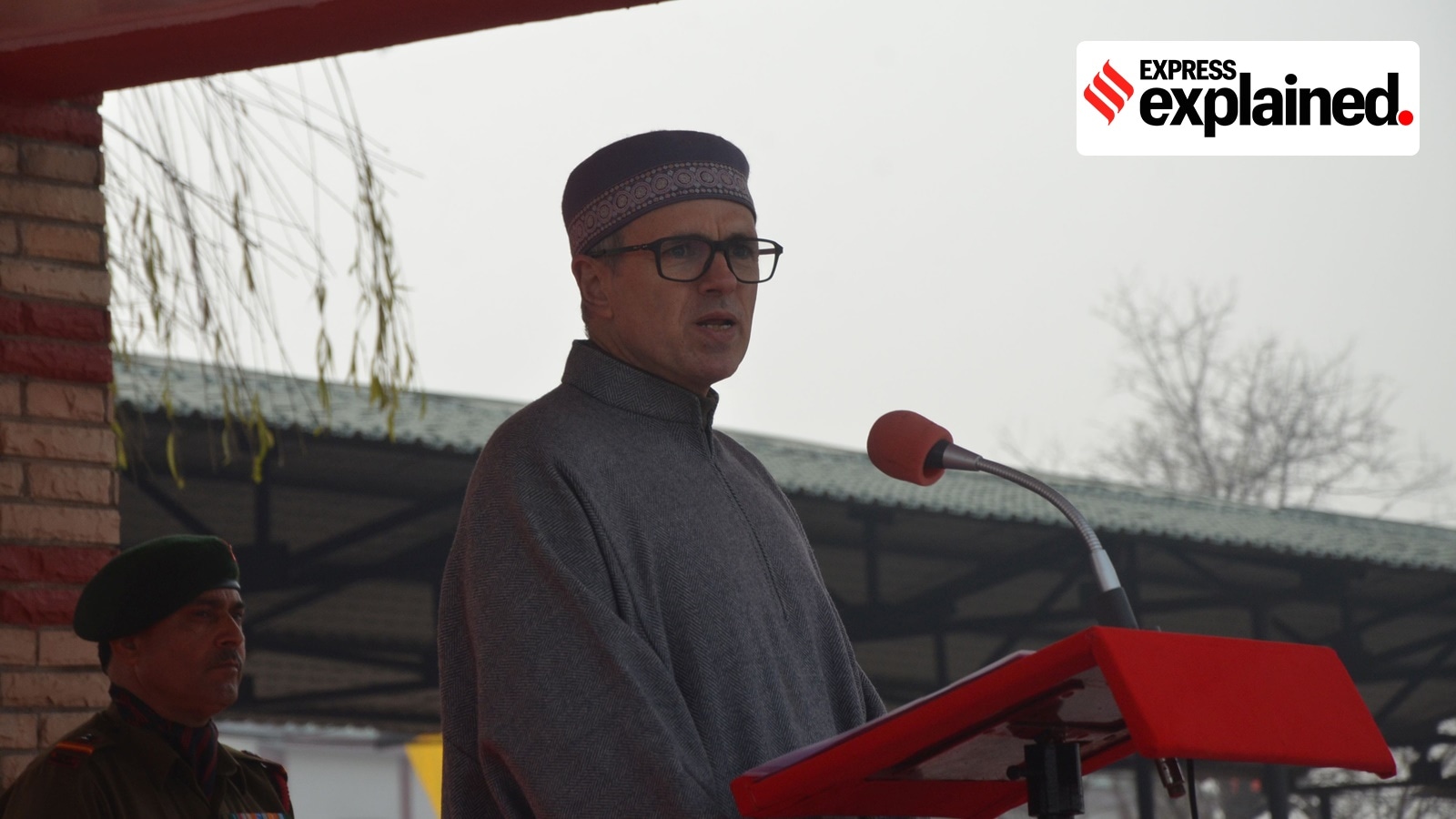
The Jammu and Kashmir government promised 200 units of free electricity to all households in their 2024 election manifesto.
However, after realizing the financial burden, they decided to limit this to underprivileged households.
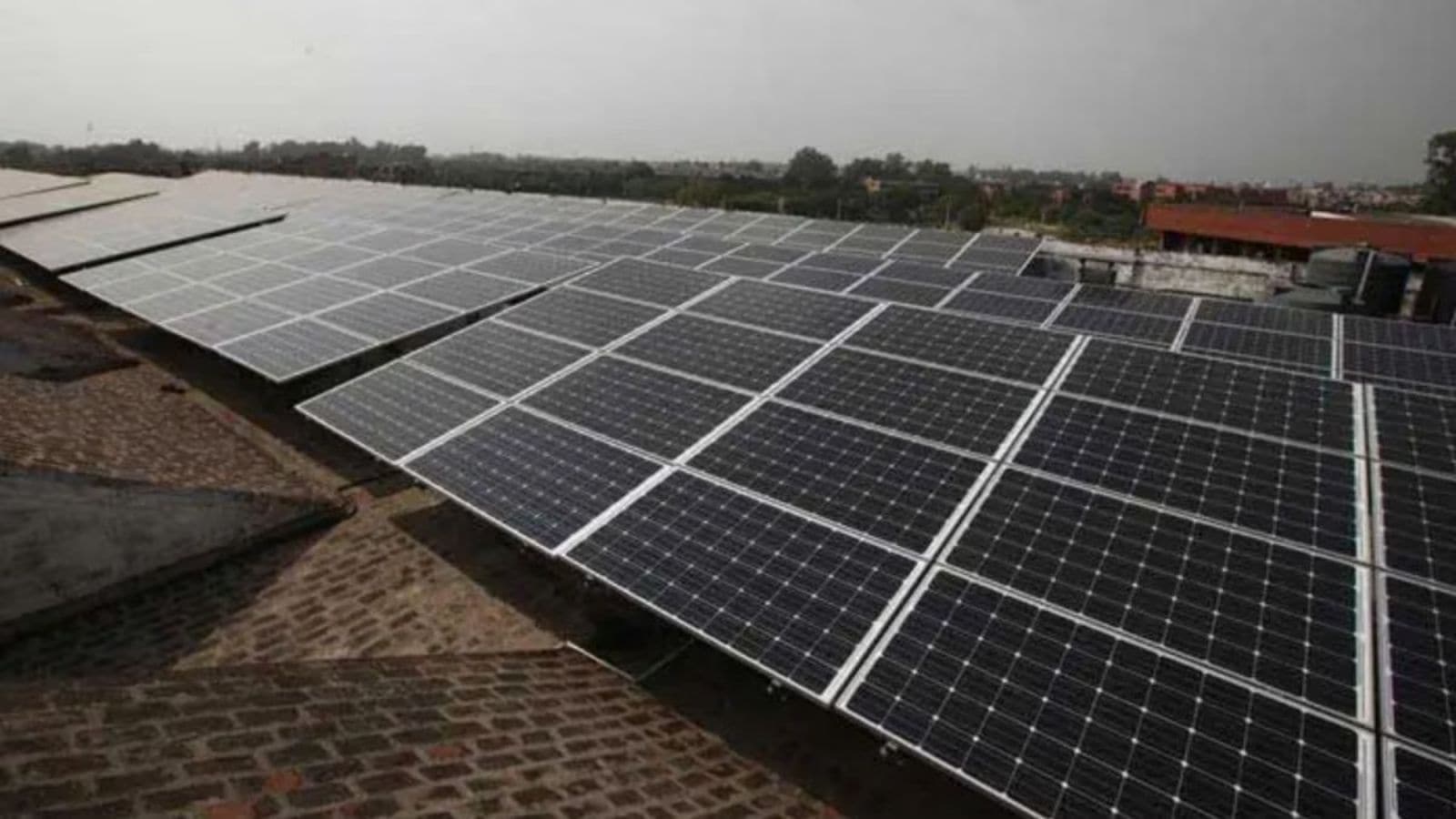
The government is now considering a plan to install solar rooftop systems under the RESCO model, where private vendors will set up and maintain the systems for 10 years before transferring ownership to the households.
This plan aims to reduce the financial strain on the government.
Earlier proposals were rejected by the bureaucracy due to concerns about the financial burden on the state exchequer.

The J&K government promised 200 units of free electricity in their 2024 election manifesto.
The promise was initially limited to underprivileged households due to financial constraints.
The government is now considering a solar rooftop system under the RESCO model to fulfill the promise.
The RESCO model involves private vendors setting up and maintaining solar rooftops for 10 years.
Earlier proposals were rejected by the bureaucracy due to the financial burden on the state exchequer.
- Who
- Jammu and Kashmir government and bureaucracy
- What
- Struggle to fulfill the promise of 200 units of free electricity
- When
- After the 2024 elections
- Where
- Jammu and Kashmir
- Why
- Financial implications and strain on the power sector
Government
Bureaucracy
Financial Burden
Government
The government believes the RESCO model can provide free electricity without significant financial strain.
Bureaucracy
The bureaucracy argues that any form of subsidy or solar installation would put a heavy financial burden on the state exchequer.
- Free Electricity Promise
- 200 units of free electricity
- Target Households
- 2.2 lakh underprivileged households
- Annual Financial Burden
- Rs 1,000 crore
- Solar Rooftop Cost
- Rs 1,10,000 per unit
- Central Subsidy
- Rs 66,000 per unit
- Project Duration
- 10 years
- Electricity Tariff Subsidy
- Rs 460 per month per family
- Total Annual Subsidy Cost
- Rs 120 crore