Archive · 24 Sep 2026
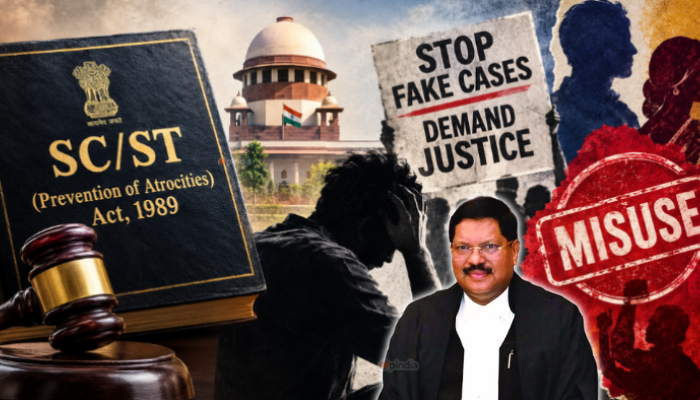
Former CJI Gavai Says SC/ST Act Misuse Rare, Seeks Safeguards

The SC/ST Act is a law meant to protect Dalit and tribal people from caste-based abuse.
Former Chief Justice B.R. Gavai said the law is important and should not be removed.
He acknowledged that some people misuse it, but said this happens only rarely.
He said Parliament should create safeguards and punish people who knowingly make false complaints.
Gavai said judges cannot rewrite laws unless they violate the Constitution.
In 2018, the Supreme Court ordered extra checks before some arrests under the Act.
Parliament later reversed those checks, and the Supreme Court restored the original rules in 2019.
The debate has grown because some cases end in acquittal or do not reach trial.
Gavai also said fears that every professor could be targeted were exaggerated, while declining to comment on the IIT Bombay case.

Former CJI B.R. Gavai said misuse of the SC/ST Act occurs but is rare and cannot justify scrapping the law.
Gavai said Parliament, rather than the judiciary, should amend the law and impose penalties for deliberately false complaints.
He said the Act protects Dalit and tribal communities from untouchability, discrimination and caste-based atrocities.
The Supreme Court’s 2018 safeguards against automatic arrests were reversed by Parliament, while the Court restored the original provisions in 2019.
Low conviction rates, acquittals, compensation claims and the IIT Bombay student-suicide case have fueled debate over possible misuse.
- Who
- Former Chief Justice of India B.R. Gavai, Parliament, the Supreme Court of India, and communities covered by the Scheduled Castes and Scheduled Tribes (Prevention of Atrocities) Act.
- What
- Gavai said the Act should be retained but amended to deter false or improper complaints and provide safeguards against misuse.
- When
- Gavai made the comments in interviews broadcast on September 22, 2026; the articles also discuss developments from 2018 onward.
- Where
- India, including the Supreme Court, IIT Bombay, Rajasthan, Uttar Pradesh and Lucknow.
- Why
- Gavai said the law must continue protecting victims of caste atrocities while Parliament addresses alleged misuse, false complaints and related compensation concerns.
Supporters of Strong Legal Protections
Advocates for Safeguards and Reform
Purpose of the Act
Supporters of Strong Legal Protections
The law is necessary to protect Dalit and tribal communities from historical discrimination, untouchability, harassment and atrocities.
Advocates for Safeguards and Reform
The law’s protective purpose is accepted, but critics argue that some provisions are used for retaliation, financial compensation or false allegations.
Frequency and impact of misuse
Supporters of Strong Legal Protections
Gavai said misuse exists but is very rare and cannot justify removing the law; weakening it could deter genuine victims from seeking protection.
Advocates for Safeguards and Reform
Critics cite low conviction rates, acquittals, closure reports and reported false cases as evidence that additional checks are needed.
Arrest safeguards
Supporters of Strong Legal Protections
The original provisions provide strong and immediate protection for people reporting caste-based atrocities.
Advocates for Safeguards and Reform
Supporters of the 2018 safeguards argue that preliminary inquiries and approval requirements can reduce automatic arrests and false implication.
Who should change the law
Supporters of Strong Legal Protections
The judiciary has already upheld the Act’s validity, and courts should not replace Parliament’s legislative role.
Advocates for Safeguards and Reform
Gavai said Parliament should amend the law, with public or social movements building pressure for safeguards and penalties for false complaints.
- Law
- Scheduled Castes and Scheduled Tribes (Prevention of Atrocities) Act, 1989
- Gavai’s position
- The Act should not be scrapped because of misuse; Parliament should amend it and penalize deliberate false complaints.
- 2018 Supreme Court ruling
- The Court required safeguards including preliminary inquiries and approval before certain arrests under the Act.
- Legislative and judicial response
- Parliament reversed the safeguards in 2018, and the Supreme Court restored the original provisions in 2019.
- Reported case outcomes
- The articles cite conviction rates falling from about 39–40% in 2020 to 32–33% in 2022, with 60% of cases ending in acquittal or discharge.
- Compensation schedule
- The articles say payments range from ₹1 lakh to ₹8.25 lakh depending on the offence, with staged disbursement linked to the FIR, chargesheet and conviction.
- Related controversy
- The Act was invoked against an IIT Bombay professor after student Sahil Wakode died by suicide; Gavai declined to comment on the case.