

Archive · 31 Jul 2026
Monsoon Health Guide: Avoid Cold, Cough, Allergies
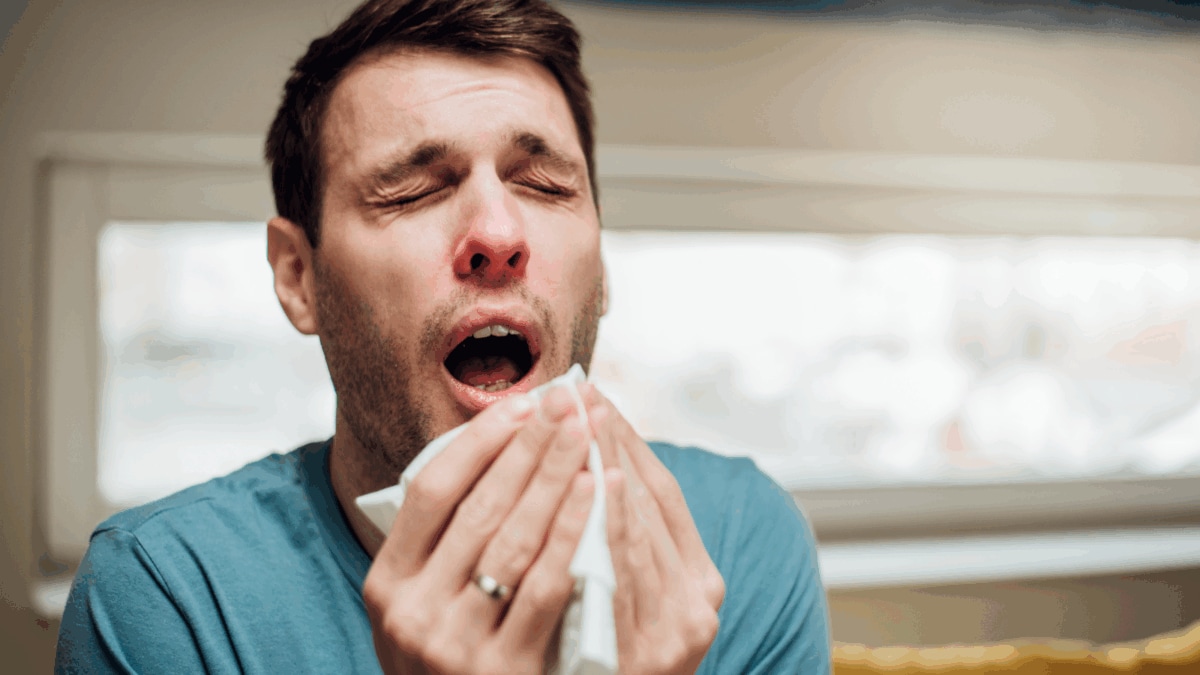
When it rains a lot, the air gets very humid and people stay inside more.
This lets germs live longer and makes it easier for them to spread.
The guide says you can stay healthy by washing your hands a lot, keeping your clothes and rooms dry, and eating good food.
It also says to drink enough water, sleep well, and not use antibiotics unless a doctor says so.
If you feel very sick, you should see a doctor.
By doing these simple things, you can enjoy the rain without getting sick.

High humidity during monsoon lets viruses and bacteria survive longer, raising infection risk.
Indoor crowding and poor ventilation increase spread of respiratory illnesses.
Common monsoon illnesses include cold, cough, sore throat, and seasonal allergies triggered by mold and dust mites.
Preventive measures: frequent hand hygiene, keeping clothes and indoor spaces dry, balanced diet, adequate sleep, and good ventilation.
Seek medical advice for persistent symptoms and avoid self‑medicating with antibiotics unless prescribed.
- Who
- General public during the monsoon season
- What
- Health guide outlining ways to prevent cold, cough, and seasonal allergies
- When
- Published July 31, 2026; applicable during the monsoon season
- Where
- India (monsoon season context)
- Why
- High humidity and indoor crowding increase virus survival and allergen exposure
- Season
- Monsoon
- Common illnesses
- Cold, cough, sore throat, seasonal allergies
- Key preventive actions
- Hand hygiene, dry surroundings, balanced diet, adequate sleep
- Key organizations cited
- CDC, WHO
- Publication date
- July 31, 2026