

Archive · 3 Sep 2026
Nine Tips for Safely Building and Maintaining a Rooftop Pool
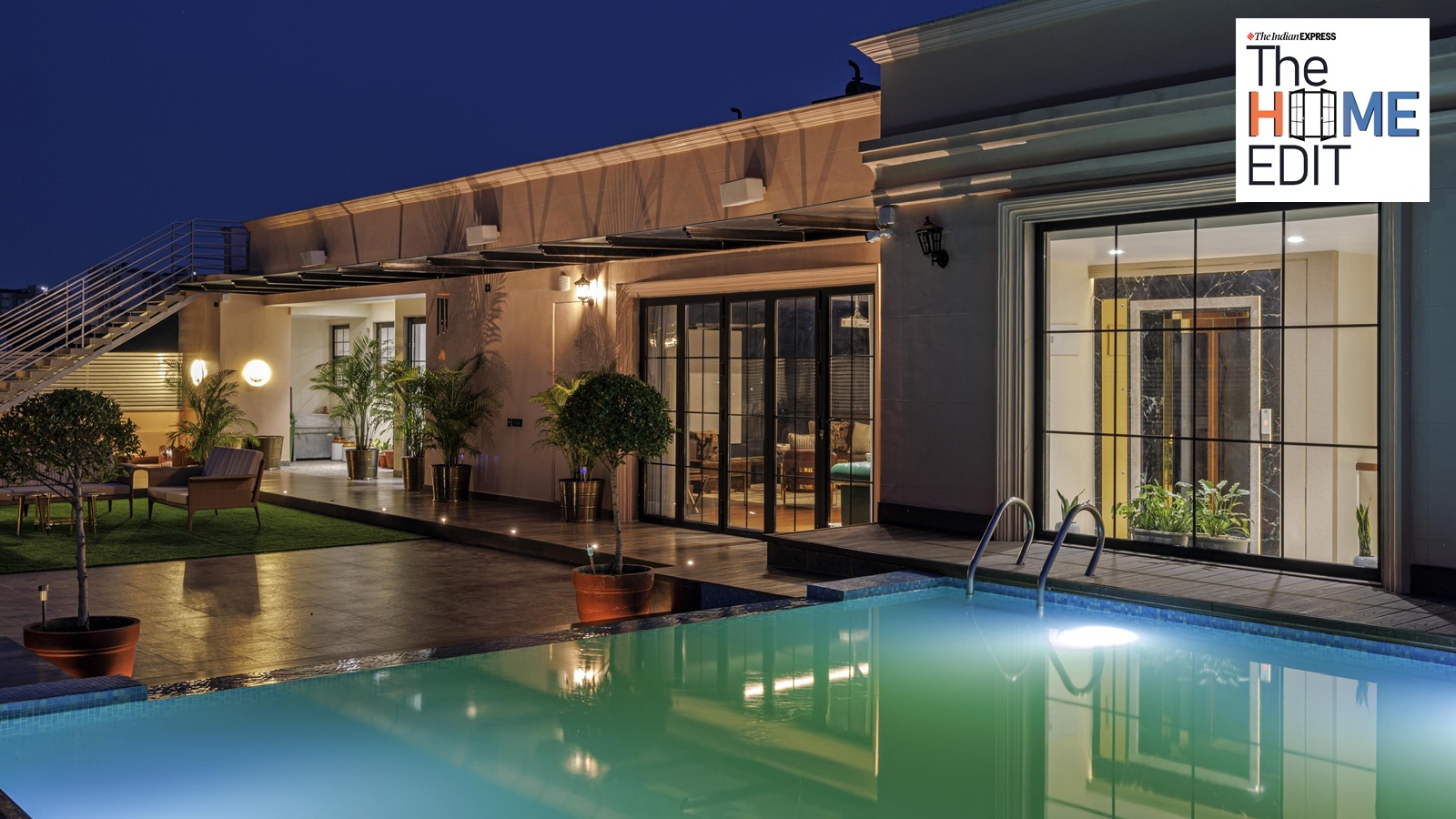
A rooftop pool can turn a terrace into a relaxing place.
However, water is very heavy and can put a lot of pressure on a building.
An expert should check whether the terrace can safely support the pool, water, equipment and people.
The pool needs strong waterproofing so water does not damage the building.
It also needs drains for overflow, rainwater and cleaning water.
Pumps and filters should be easy to reach for regular care.
Safe flooring, edges and steps can help prevent accidents.
With careful planning, a rooftop pool can add comfort and character to a home.

A rooftop pool places substantial weight on a terrace, so the slab and supporting structure require professional review before construction.
Multiple layers of professional waterproofing, backed by a written guarantee, and carefully planned drainage help prevent leakage and moisture damage.
Designers recommend choosing a size and depth suited to the building, with about four feet cited as an effective depth.
Filters, pumps and cleaning systems should remain accessible, while regular filtration, water-pH checks and maintenance are necessary.
Weather-resistant materials, anti-skid flooring, safe edges, access steps and suitable decking are important for durability and safety.
- Who
- Homeowners, structural professionals and pool or architectural designers are involved; the advice is presented by Nilanjan Bhowal, principal architect at Design Consortium.
- What
- The article provides nine recommendations for designing, constructing and maintaining a rooftop or terrace pool.
- When
- The planning should ideally happen while the building is being designed, rather than after construction is complete.
- Where
- On a building terrace or rooftop, particularly in cities where land is scarce.
- Why
- To ensure the pool is structurally safe, protected against leaks, maintainable and suitable for relaxation.
- Recommended depth
- About 4 feet is described as an optimal depth for a relaxing pool suited to the space and structure.
- Structural load
- The total load includes water, tiles, finishes, equipment and people using the pool.
- Waterproofing
- Professional waterproofing with a written guarantee is recommended.
- Drainage
- The design should include systems for overflow, rainwater and cleaning water, such as a drain-out plug or edge overflow channel.
- Maintenance
- Pools require regular filtration, cleaning-system checks and water-pH monitoring.
- Materials
- Mosaic tiles are identified as suitable because they allow for expansion and contraction.
- Safety features
- Recommended features include proper edges, wooden decking, anti-skid flooring and access steps.