

Archive · 12 Oct 2026
Supreme Court Orders Delhi Movement, With Public-Order Limits
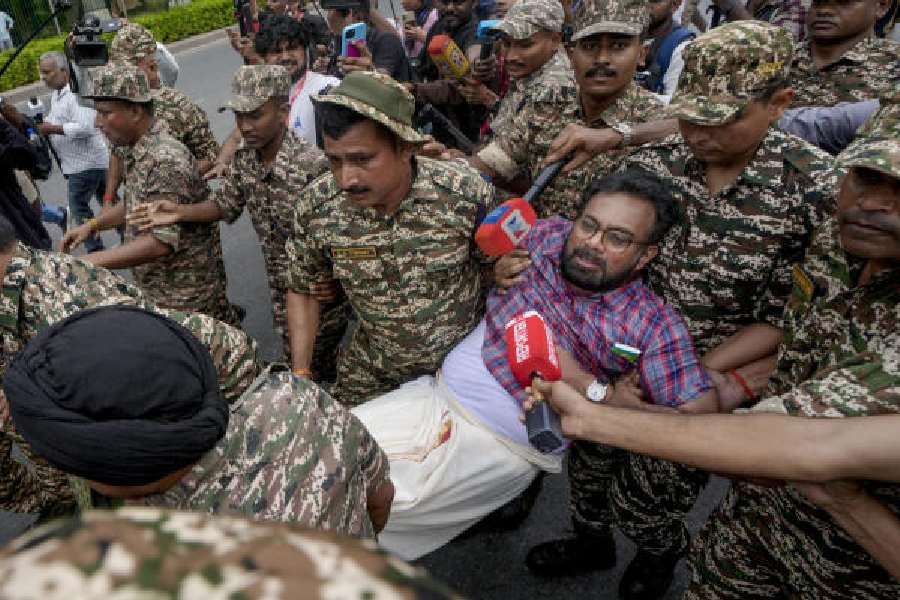
The Supreme Court held a special hearing after protests and police restrictions in Delhi.
It told officials to let people move around and to keep trains running, while allowing reasonable steps to protect public order.
The court also said internet service should remain available and police must not detain people unlawfully.
It ordered officials to review road barricades and remove a notice restricting gatherings from court premises.
Lawyers said many people had been detained and that transport had been disrupted during protests about voter lists.
The government said metro trains ran, though access was restricted at 45 stations, and people taken away from the protests were released.
The court sent notices to senior officials and asked them to respond by October 13.
It will consider the matter again after receiving their replies.

At a special hearing on October 11, the Supreme Court ordered authorities to ensure free movement in Delhi and keep metro and rail services running, subject to lawful public-order and traffic restrictions.
The court directed police to review road barricades, maintain internet access, remove a Section 163 notice from court premises, and avoid unlawful detentions.
It issued contempt notices to senior Union government, Delhi Police and metro officials over alleged breaches of its October 9 order, with replies due October 13.
Petitioners alleged widespread detentions and disruption of transport during October 10 protests linked to voter-roll deletions; one petition cited about 7,000 detentions.
The government said metro service continued except for entry and exit restrictions at 45 of Delhi’s 303 stations, and that those removed from protests were released.
- Who
- The Supreme Court, petitioners and lawyers, and senior officials from the Union government, Delhi Police and Delhi Metro.
- What
- The court directed authorities to facilitate movement and transport, protect access to internet and courts, and respond to contempt allegations.
- When
- The special hearing took place on October 11, 2026; officials were asked to reply by October 13.
- Where
- Delhi, including areas around the Supreme Court and other courts.
- Why
- Petitioners alleged that restrictions and detentions during October 10 protests violated the court’s October 9 order.
Petitioners and lawyers
Union government and authorities
Detentions and protest rights
Petitioners and lawyers
Petitioners and lawyers alleged mass or unlawful detentions and restrictions on peaceful protest, including beyond prohibited areas.
Union government and authorities
The government denied illegal arrests or detentions and said people removed from the protests had been released; it said the legality of the actions was for the court to decide.
Metro and transport disruption
Petitioners and lawyers
Lawyers alleged that metro and railway services were disrupted and that the October 9 order was breached.
Union government and authorities
The government said metro service continued normally apart from restrictions at 45 of 303 stations, and denied violating the earlier order.
Scope of movement restrictions
Petitioners and lawyers
The court emphasized free movement, access to courts and peaceful assembly, and ordered barricades and certain prohibitory measures reviewed or removed.
Union government and authorities
The court’s directions were subject to public order, traffic regulations and reasonable restrictions; the government maintained the measures were taken to maintain law and order.
- Hearing
- Special Supreme Court hearing held October 11, 2026.
- Bench
- Justices Joymalya Bagchi and V. Mohana.
- Officials sent notices
- Union Home Secretary Govind Mohan, Delhi Police Commissioner Anurag Kumar and the Delhi Metro Rail Corporation chairperson.
- Reply deadline
- October 13, 2026.
- Metro stations
- The government said entry and exit were restricted at 45 of Delhi’s 303 stations on October 10; it said all stations were open by the hearing.
- Detentions
- The government acknowledged protesters were removed at 2 p.m. and released at 6 p.m. on October 10; petitioners alleged about 7,000 people were detained.
- Restrictions ordered reviewed
- Road barricades and prohibitory measures around courts; the court also directed that internet access not be disturbed.
