

Archive · 28 Oct 2025
Russia Hails Nuclear-Powered Cruise Missile Test, West Expresses Mixed Reactions

Russia has tested a new type of missile called the Burevestnik, which is powered by a small nuclear reactor.
This means it can fly for a very long time and travel a great distance, potentially reaching anywhere on Earth.
It's designed to fly low to the ground, making it hard for enemy defenses to spot and shoot down.
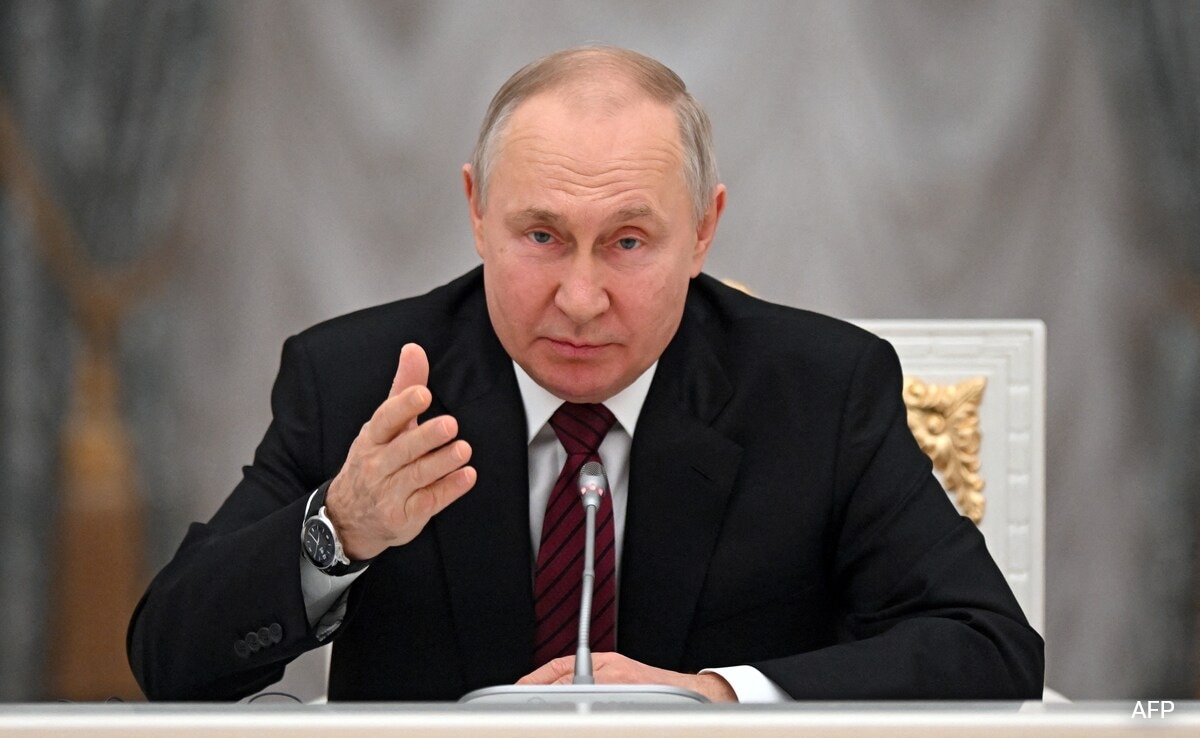
President Putin says this missile has no equal and is a warning to other countries.
However, some experts are not as impressed.
They point out that the missile flies slower than newer, faster weapons and could be easily detected because of its nuclear power.
They also mention past tests had problems, including short flight times and even an accident that killed scientists.
Some experts believe the missile is more of a political statement than a practical military tool.

Russia conducted a long-distance test of its nuclear-powered cruise missile, the Burevestnik.
President Putin stated the missile has no equal in the West and warned of escalation risks.
The Burevestnik is designed to fly long distances at low altitudes using a nuclear reactor for propulsion.
Some experts question the missile's military value due to its subsonic speed and potential detectability, contrasting it with modern hypersonic weapons.
Previous tests of the Burevestnik have reportedly faced challenges, including short flight times and a fatal accident involving nuclear scientists.
- Who
- Russian President Vladimir Putin and military officials
- What
- Hailed the first long-distance test of a nuclear-powered cruise missile, the Burevestnik.
- When
- Sunday (test completed October 21)
- Where
- Russia (test location implied to be Arctic-related)
- Why
- To demonstrate a new strategic capability, potentially influencing Western perceptions, arms negotiations, and signaling a warning amidst tensions over Ukraine.
Experts Skeptical of Military Value
Russian Officials
Missile Capability and Modernity
Experts Skeptical of Military Value
Some experts believe the Burevestnik is anachronistic due to its subsonic speed, making it vulnerable to modern air defenses, and that faster hypersonic missiles are the future. They also question its practicality and complexity, citing potential for failure and ease of detection due to its radioactivity.
Russian Officials
Russian President Vladimir Putin and military officials claim the Burevestnik is a new and unique capability without equal in the West, capable of evading missile defense systems due to its low altitude and extended range powered by a nuclear reactor.
Strategic Impact and Detectability
Experts Skeptical of Military Value
Experts suggest the missile's political importance may outweigh its military capabilities, and that its launchpads could be targets in a nuclear exchange. They also note that the nuclear reactor's radiation would make it detectable from long distances, and that its conventional booster launch is complex.
Russian Officials
Russian officials present the missile as a strategic asset that can circumvent Western air defenses, potentially providing leverage in arms control talks and serving as a warning regarding escalation in Ukraine.
- Missile Name
- Burevestnik ('Storm Bird')
- Propulsion Type
- Nuclear-powered cruise missile
- Test Range
- 8,700 miles
- Test Duration
- 15 hours
- Potential Flight Altitude
- Low-flying, below subsonic speed
- US Program History
- Extensive program in the 1950s, later abandoned
- Russian Development Trigger
- US withdrawal from Anti-Ballistic Missile Treaty in 2002
- Previous Test Issues
- Short flight times, failures, an explosion killing five scientists in 2019
Sources

Trump calls Russia's nuclear-powered Burevestnik missile test inappropriate, says Putin must end war in Ukraine first

Norway says Russia’s Burevestnik missile was launched from Novaya Zemlya

Russia's new N-powered missile has indefinite range: Putin

Russia’s Burevestnik missile with ‘unlimited range’ is a nuclear threat Trump cannot ignore

Trump's "Nuclear Submarine" Warning To Putin After Big Cruise Missile Test

Putin terminates plutonium disposal agreement with US

My atom bomb is bigger than yours: When world's top nuclear powers talk nukes
What We Know About Russia's 'Storm Bird' Missile That Could Reach US