

Archive · 23 Jul 2025
Hyderabad Event Highlights Eco-Friendly Menstrual Products
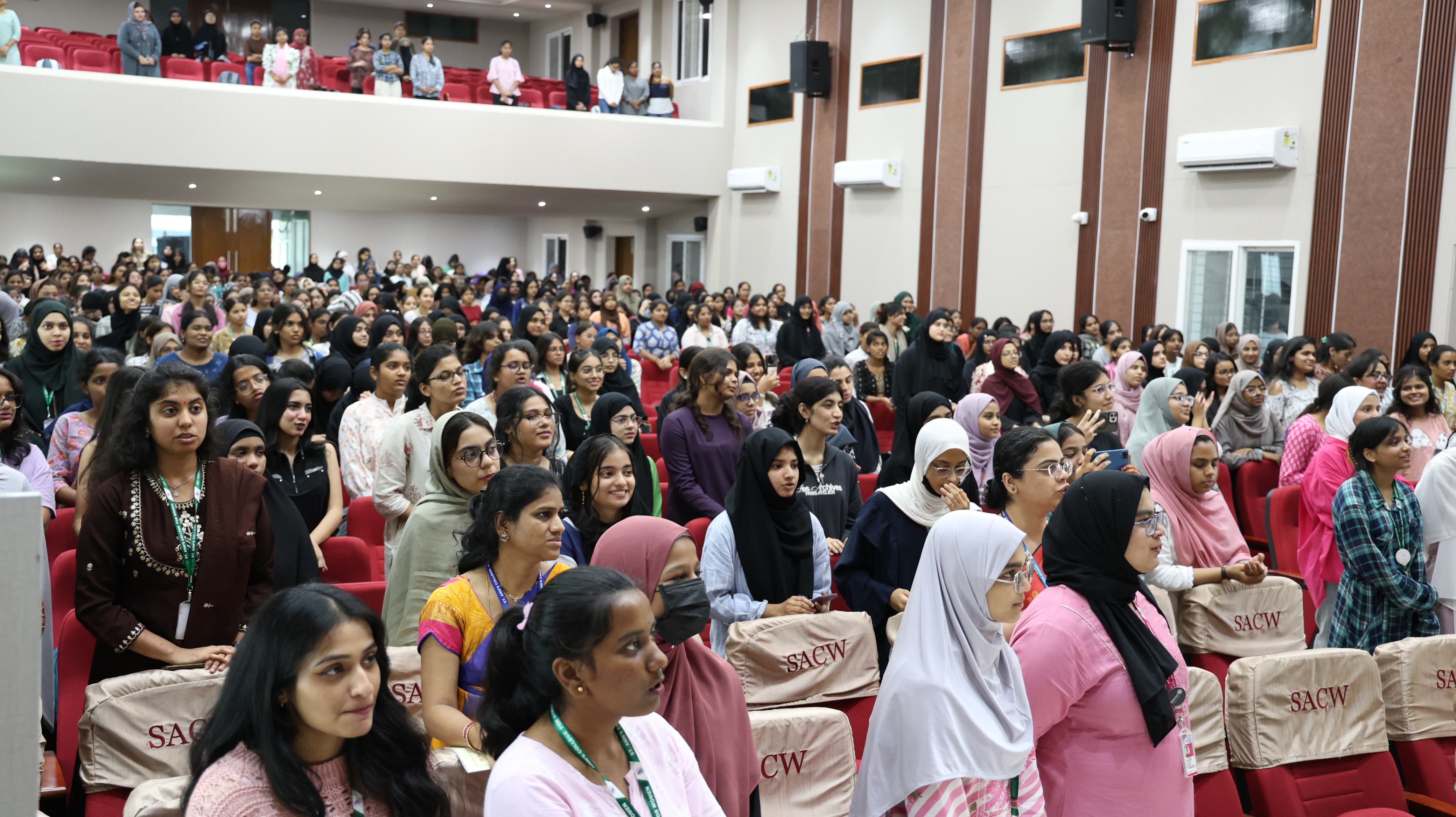
A campaign called 'No Plastic on Private' hosted an event to teach young women about plastic in sanitary pads.
Regular pads have plastic and chemicals that can be bad for health and the environment.
The event discussed switching to reusable options to protect the planet and personal health.
It was a fun way to learn about making better choices for periods.

An event at St. Ann’s College for Women in Hyderabad addressed menstrual waste.
The 'No Plastic on Private' campaign highlights the issue of plastic in sanitary products.
Conventional pads contain plastic, impacting health and the environment.
The event promoted eco-friendly alternatives to disposable pads.
The event included discussions, myth-busting, and pledges for eco-conscious practices.
- Who
- Students, Dr. Manjula Anagani, Dr. Nabat Lakhani, 95 Mirchi Hyderabad Team, and the Rotaract.
- What
- An event raising awareness about menstrual waste and promoting eco-friendly alternatives to plastic sanitary pads.
- When
- During Plastic Free July.
- Where
- St. Ann’s College for Women, Hyderabad.
- Why
- To address the environmental and health impacts of plastic in menstrual products and promote sustainable practices.
Advocates for Sustainable Practices
Conventional Pad Users
Health Impact Focus
Advocates for Sustainable Practices
Emphasize the health risks associated with conventional pads.
Conventional Pad Users
Limited emphasis on health impacts, focusing primarily on convenience.
Product Choice Preferences
Advocates for Sustainable Practices
Urge adoption of alternatives for environmental sustainability.
Conventional Pad Users
Prioritize convenience of disposable products over eco-friendliness.
- Campaign Name
- 'No Plastic on Private' - Eco Edition
- Location
- St. Ann’s College for Women, Hyderabad
- Main Issue Addressed
- Menstrual waste and its impact on health and the environment
- Plastic in Pads
- Approximately 4 plastic bags worth of plastic per pad
- Focus
- Promoting eco-friendly alternatives