

Archive · 16 Sep 2025
Russia Turns to Barter Trade with China Amid Sanctions
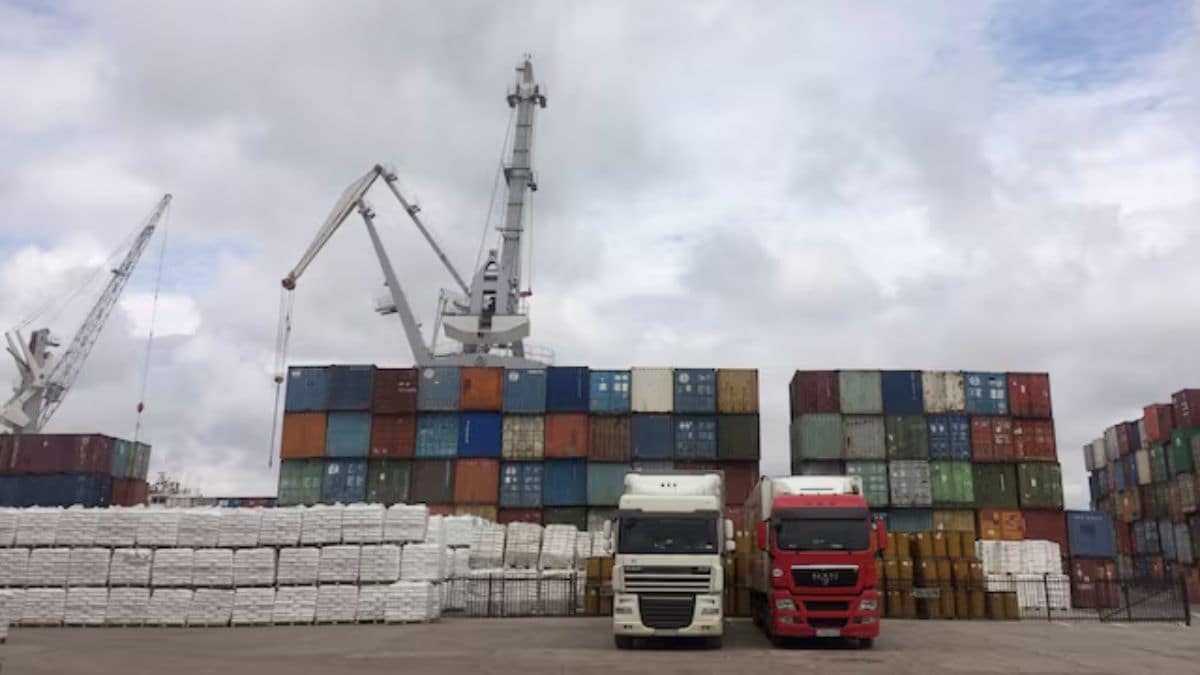
Russia is trading goods with China to get around sanctions from Western countries.
Instead of using money, they're swapping things.
For example, Russia might give wheat to China in exchange for cars.
This helps them keep trading even though some banks are worried about being punished for doing business with Russia.
This method helps avoid direct money transfers and the scrutiny that comes with them.
This type of trading is becoming more common because it lets Russia continue to get what it needs despite economic pressures.

Russia is using barter trade with China to exchange goods, bypassing Western sanctions.
Wheat is being traded for Chinese cars, and flax seeds for construction goods.
Chinese banks fear sanctions, leading to increased barter transactions.
Russia's economy ministry issued a guide on barter to help businesses navigate sanctions.
Russian foreign trade surplus decreased, indicating economic strain.
- Who
- Russia and China are primarily involved, with Chinese companies and Russian businesses.
- What
- Russia is increasingly using barter trade, exchanging goods like wheat and flax seeds for Chinese cars and construction materials.
- When
- Barter trade is increasing since Western sanctions were imposed in 2022.
- Where
- Trades occur between Russia and China, with transactions involving various locations.
- Why
- To bypass Western sanctions and circumvent restrictions on financial transactions, also due to fear of secondary sanctions on Chinese banks.
Western Countries
Russia/China
Sanctions
Western Countries
Impose sanctions to undermine Russia's economy and support for the war in Ukraine.
Russia/China
Deny the sanctions as illegal and discriminatory.
- Main Method of Trade
- Barter trade (goods exchanged for goods)
- Key Goods Exchanged
- Wheat for cars, flax seeds for construction goods
- Primary Trade Partners
- Russia and China
- Reason for Barter
- To bypass Western sanctions
- Economic Impact
- Russian foreign trade surplus decreased by 14% in 2024