

Archive · 31 Jul 2026
Youth protests force Modi government to resign education minister
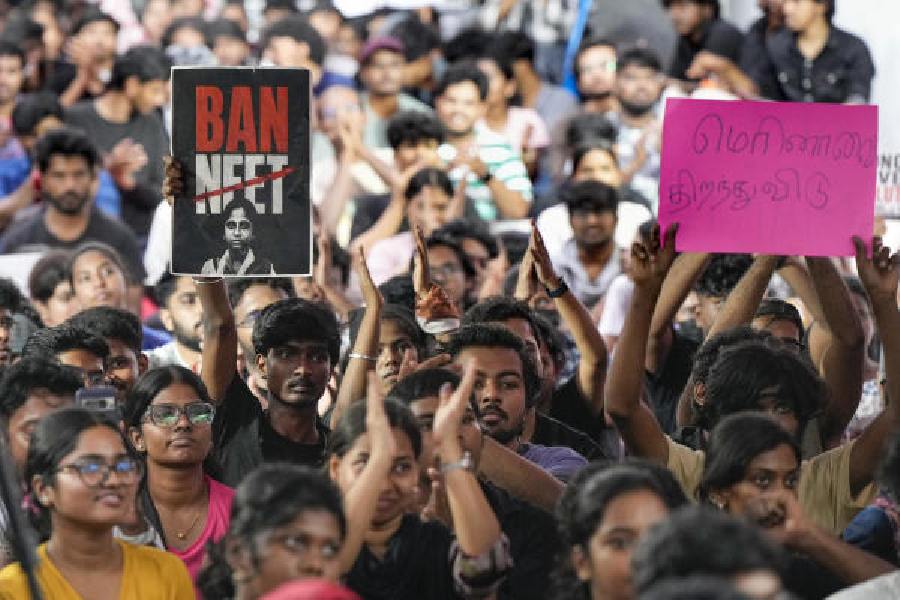
Students in India marched to ask the government to change a big exam called NEET.
They also wanted better jobs and more freedom.
The protests grew big and even reached the Parliament.
The government was scared and let the education minister quit.
Some people in the government used guns to stop the students, which made the protests even stronger.
The protests showed that many young people want to speak up for fairness and safety for everyone.

Students protested across India, demanding NEET reform and other issues.
The protests led to the resignation of Union Education Minister Dharmendra Pradhan.
The BJP used state machinery to target students, employing violence and pellet guns.
The movement expanded beyond NEET, addressing broader concerns like employment, freedom of expression, and queer rights.
The protests highlighted social divisions, with middle‑class students facing state violence and solidarity with marginalized groups.
- Who
- Students across India, Union Education Minister Dharmendra Pradhan, BJP officials
- What
- Student protests demanding NEET reform and broader social issues, leading to minister resignation
- When
- July 18-20, 2023
- Where
- Jantar Mantar in Delhi, Parliament, Chennai, and other cities
- Why
- Protesters sought changes to the NEET exam and addressed wider concerns like employment, freedom of expression, and queer rights
- Key Demand
- NEET reform
- Outcome
- Resignation of Dharmendra Pradhan
- Government Response
- Use of pellet guns and state machinery
- Date
- July 18-20, 2023
- Protest Locations
- Jantar Mantar, Parliament, Chennai