

Archive · 15 Jan 2026
Bitter Gourd May Help Manage Diabetes
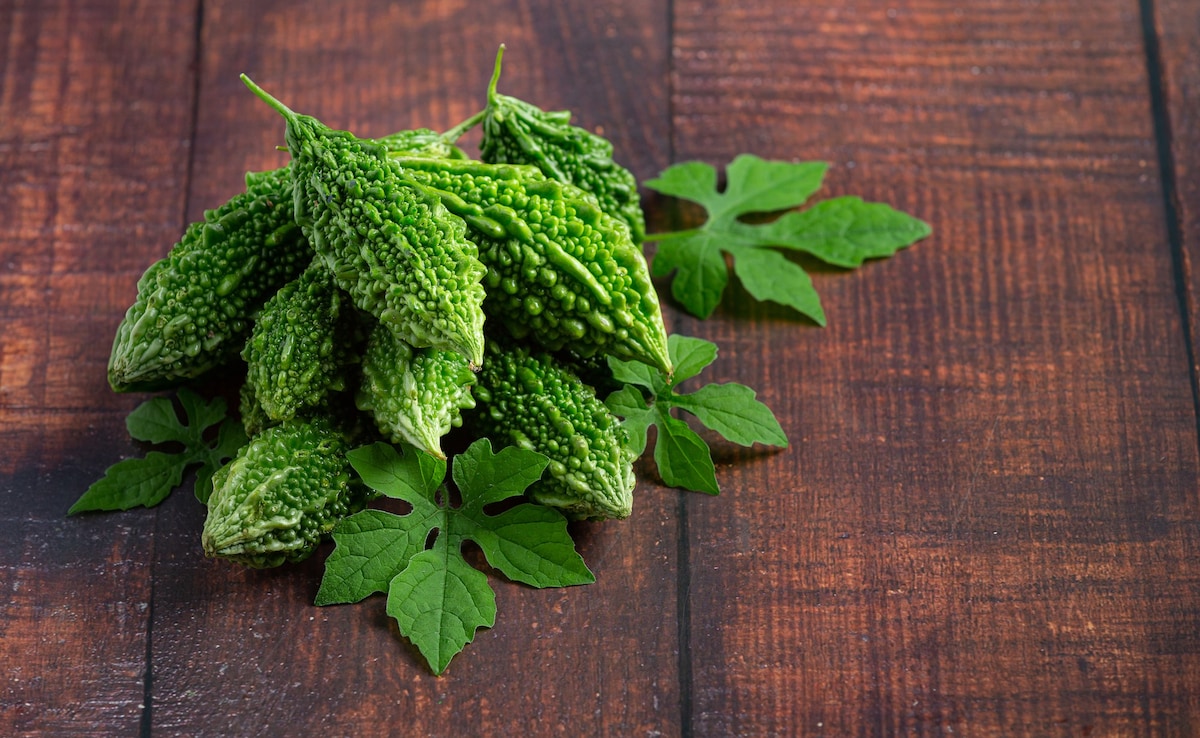
Bitter gourd, also known as karela, is a vegetable that might help people with diabetes.
It has special compounds that can help control blood sugar levels, similar to how insulin works.
Eating bitter gourd or drinking its juice can be part of a healthy diet for people with diabetes.
It can also help with weight management and improve digestion.
However, it's important to talk to a doctor before adding bitter gourd to your diet, especially if you are taking diabetes medication.
Always remember that bitter gourd is not a replacement for prescribed medicine but can be a helpful addition to a healthy lifestyle.

Bitter gourd contains polypeptide-p, which acts like insulin to help regulate blood sugar levels.
Consuming bitter gourd can support weight management and improve lipid profiles.
It boosts digestion by stimulating digestive enzymes and promoting regular bowel movements.
Bitter gourd should be consumed as part of a holistic approach to diabetes management, including medication and lifestyle changes.
Precautions include consulting medical professionals, avoiding overconsumption, and being cautious during pregnancy.
- Who
- People with diabetes, especially in India
- What
- Bitter gourd (karela) consumption for diabetes management
- When
- As part of a long-term, holistic approach to diabetes management
- Where
- India, with potential global relevance
- Why
- To regulate blood sugar levels, improve metabolic health, and manage weight
- Diabetes Cases in India
- Over 101 million
- Key Compound in Bitter Gourd
- Polypeptide-p
- Benefits of Bitter Gourd
- Blood sugar regulation, weight management, improved lipid profile, digestive boost
- Recommended Consumption Methods
- Juice, cooked dishes, supplements
- Precautions
- Consult medical professionals, avoid overconsumption, be cautious during pregnancy