

Archive · 19 Aug 2025
Nepal Eliminates Rubella; India Makes Progress in Fight
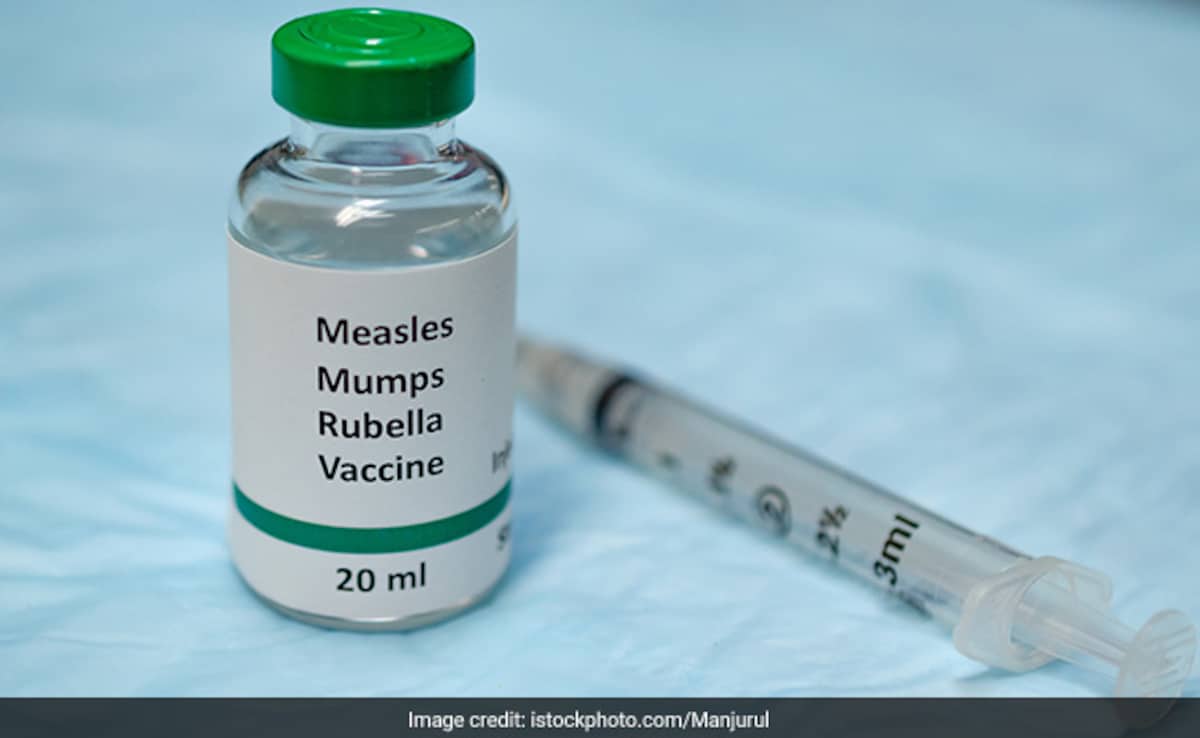
Rubella, or German measles, is a contagious illness that can be dangerous for unborn babies.
Nepal has successfully eliminated rubella through widespread vaccination programs.
India is also working hard to protect its children by giving them the Measles-Rubella (MR) vaccine.
They are aiming to wipe out rubella completely by 2026 by vaccinating as many kids as possible.
This combined effort, including vaccination and monitoring, helps protect people from this disease.

Nepal has eliminated rubella as a public health problem.
Rubella can cause birth defects if contracted by pregnant women.
Nepal introduced the rubella vaccine in 2012 and conducted multiple vaccination campaigns.
India's Universal Immunization Programme includes the Measles-Rubella (MR) vaccine since 2017.
India aims to eliminate rubella by 2026 through vaccination and surveillance.
- Who
- WHO, Nepal, India, healthcare workers, and communities.
- What
- Rubella elimination efforts in Nepal and India.
- When
- Nepal eliminated rubella by 2024; India aims for elimination by 2026; India's MR vaccine program began in 2017.
- Where
- Nepal and India.
- Why
- To prevent Congenital Rubella Syndrome (CRS), which causes birth defects.
Challenges
Progress
Vaccination Coverage
Challenges
Some areas in India have low vaccination coverage rates.
Progress
India aims to reach a 95% vaccination rate through sustained campaigns and improve surveillance to contain outbreaks.
- Rubella
- Also known as German measles, a viral infection.
- Nepal's Achievement
- Rubella eliminated as a public health problem.
- Nepal Vaccine Introduction
- 2012
- India MR Vaccine Coverage (2024-25)
- Approximately 93.7% (1st dose) and 92.2% (2nd dose)
- India's Goal
- Eliminate rubella by 2026.