

Archive · 4 Sep 2026
ISRO Launches EOS-05 Toward India’s First Geosynchronous Imaging Mission
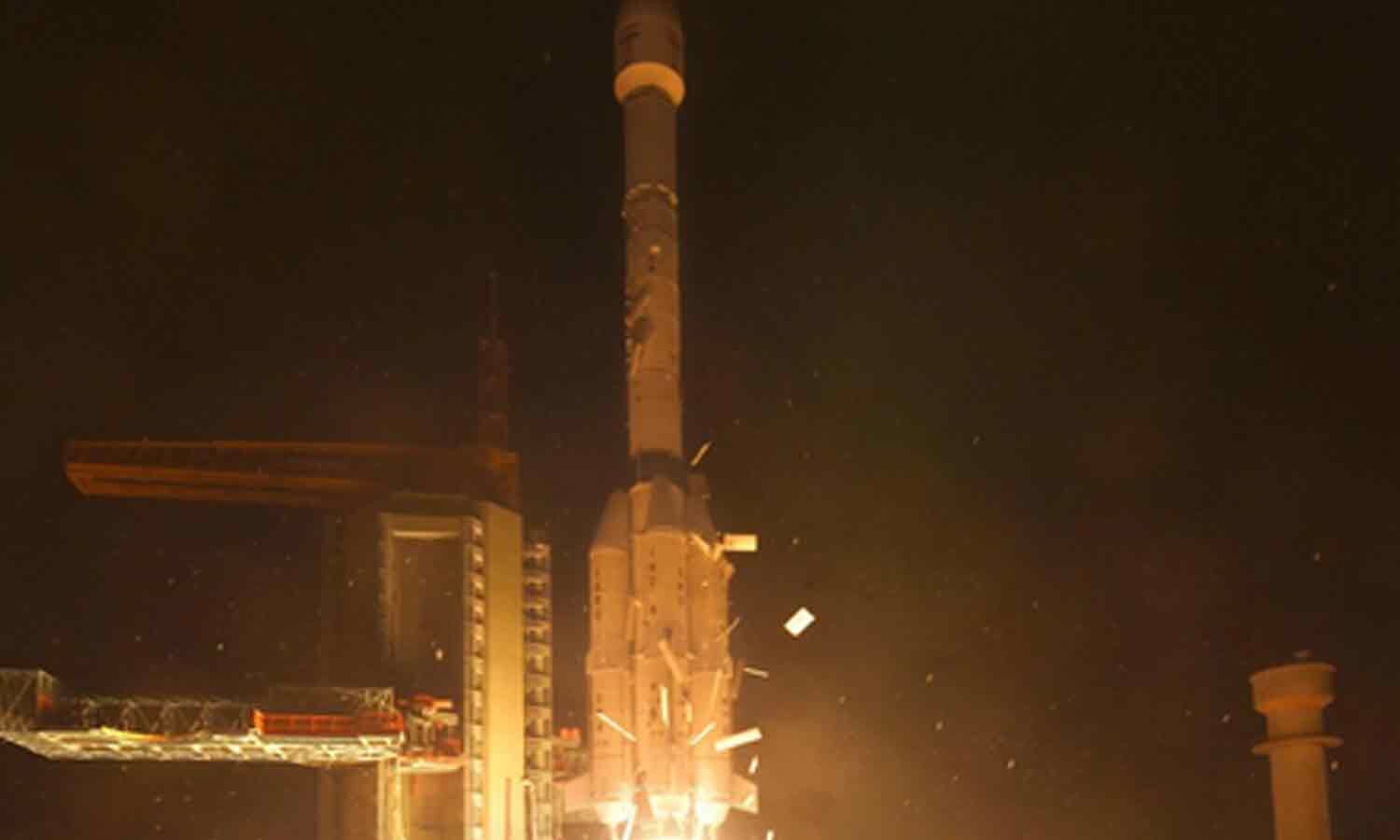
India launched a satellite called EOS-05 into space.
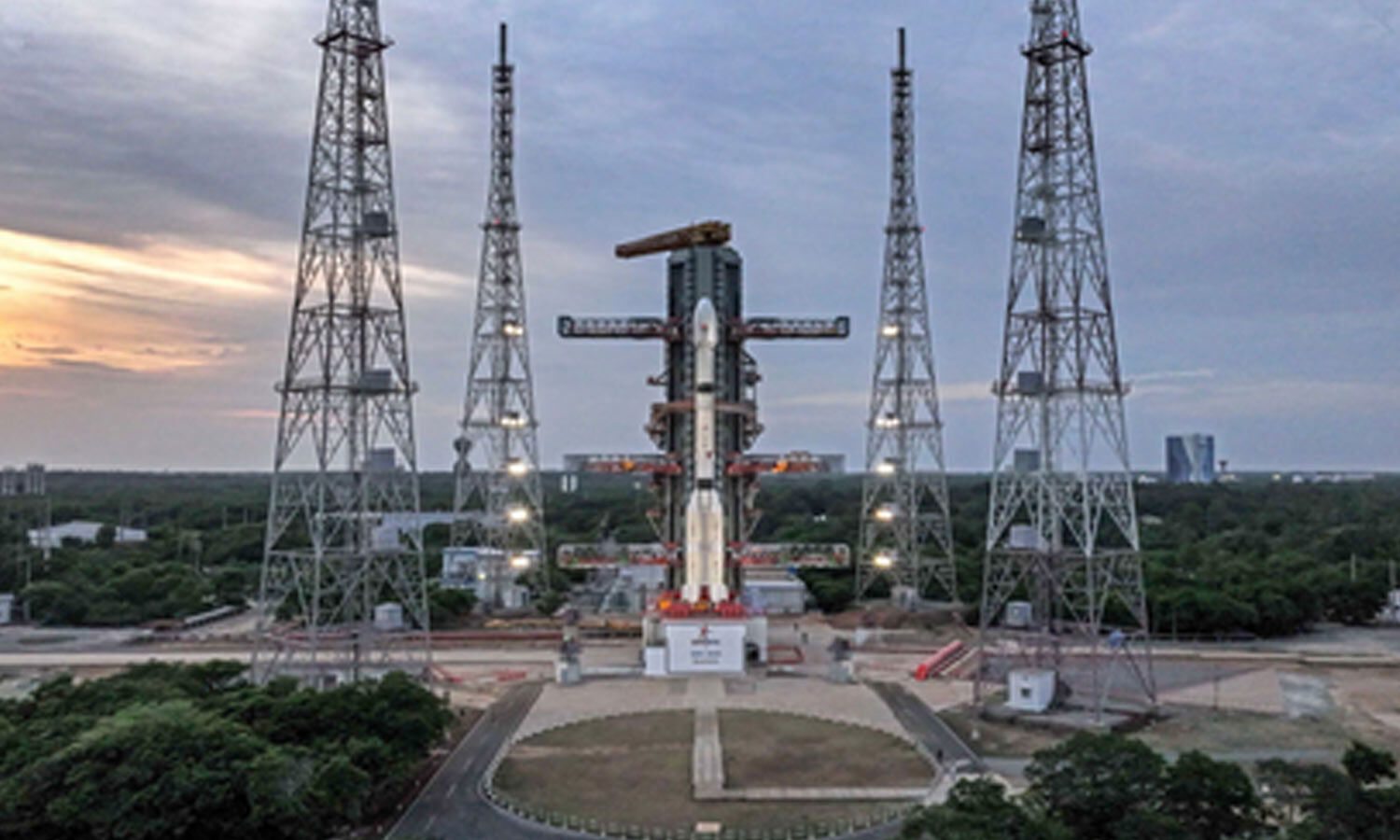
The Indian Space Research Organisation used a rocket called GSLV-F17.
The rocket launched from Sriharikota on September 4, 2026.
It placed the satellite in a temporary transfer orbit rather than its final working orbit.
Engineers will raise the satellite’s orbit in the coming days.
EOS-05 is planned to work from geosynchronous orbit, about 36,000 kilometers above Earth.
From there, it can repeatedly watch large areas, including India and nearby regions.
Its cameras can collect several types of images and light information.
These images may help with weather, farming, environmental monitoring and disaster response.
ISRO said the satellite was healthy after launch.

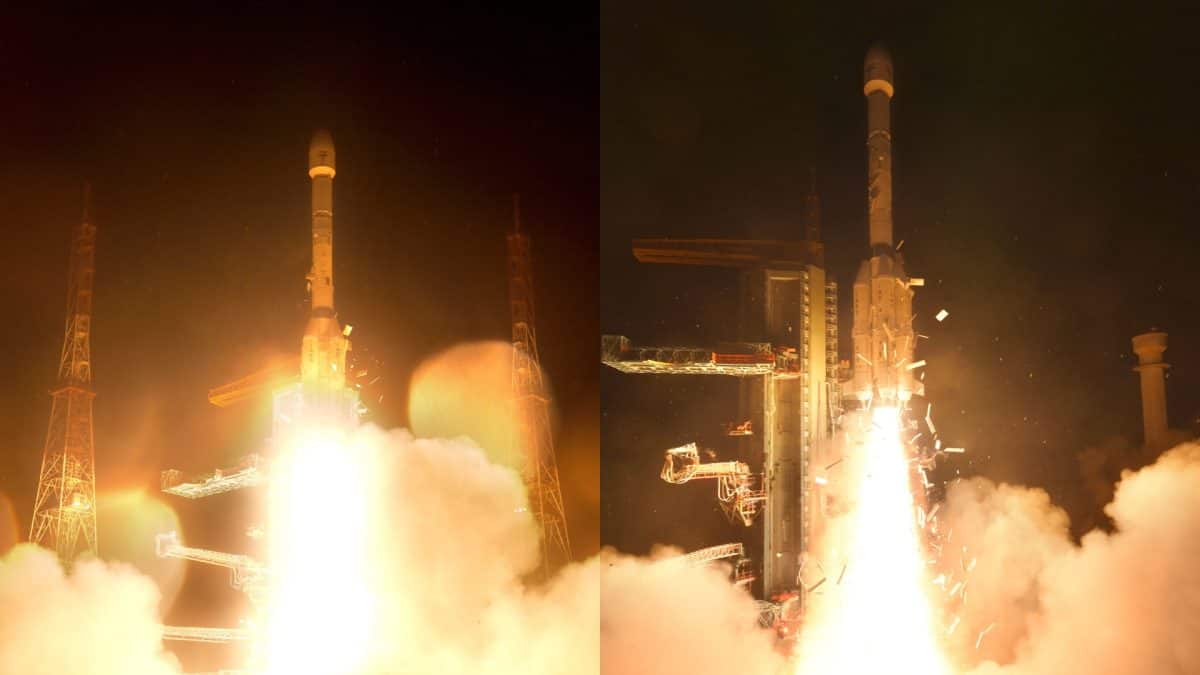
GSLV-F17 lifted off from Sriharikota at 2:55 a.m. on September 4, 2026, after a 27.5-hour countdown.
The rocket placed the 2,367-kilogram EOS-05 satellite into Sub-Geosynchronous Transfer Orbit about 18 minutes after launch.
EOS-05 will undergo orbit-raising manoeuvres before reaching its planned geosynchronous operational orbit roughly 36,000 kilometers above Earth.
The satellite is designed to repeatedly image India and nearby regions using visible, infrared, multispectral and hyperspectral capabilities.
ISRO said EOS-05 was healthy after injection, with its valves operating and solar panel deployed.
- Who
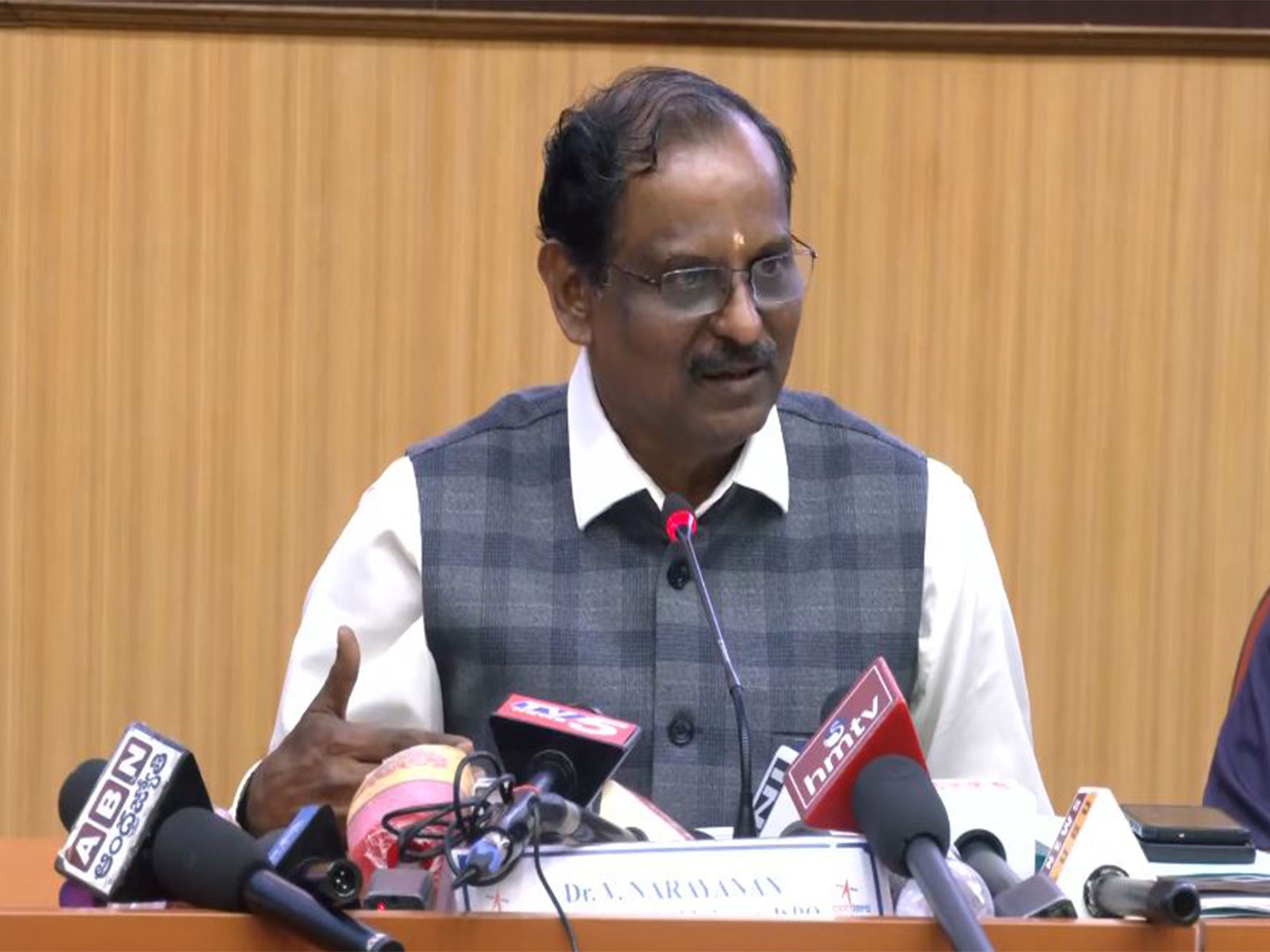
- The Indian Space Research Organisation launched EOS-05 aboard GSLV-F17; ISRO Chairman V Narayanan announced the mission’s success, and Minister of State for Space Jitendra Singh congratulated the team.
- What
- GSLV-F17 successfully injected the 2,367-kilogram Advanced Earth Observation Satellite-05, or EOS-05, into Sub-Geosynchronous Transfer Orbit.
- When
- Friday, September 4, 2026, at 2:55 a.m.; the satellite reached the transfer orbit about 18 minutes after liftoff.
- Where
- The Second Launch Pad at the Satish Dhawan Space Centre in Sriharikota, Andhra Pradesh, India.
- Why
- EOS-05 is intended to provide repeated Earth observations for weather monitoring, agriculture, environmental assessment, natural-resource management and disaster response.
- Launch vehicle
- GSLV-F17, the 19th flight of India’s Geosynchronous Satellite Launch Vehicle
- Satellite
- Advanced Earth Observation Satellite-05, also called EOS-05
- Satellite mass
- Approximately 2,367 kilograms
- Launch details
- Lift-off at 2:55 a.m. on September 4, 2026, after a 27.5-hour countdown
- Initial orbit
- Sub-Geosynchronous Transfer Orbit, or Sub-GTO
- Planned operational orbit
- Geosynchronous orbit, approximately 36,000 kilometers above Earth
- Post-launch status
- ISRO reported that EOS-05 was healthy, its valves were operating and its solar panel was deployed
- Planned uses
- Earth imaging for weather, agriculture, environmental assessment, natural-resource management and disaster management
Sources
ISRO Chief Hails GSLV-F17 Success, EOS-05 in Perfect Health
Gujarat leaders congratulate ISRO on successful GSLV-F17 launch, EOS-05 deployment
ISRO successfully launches Earth observation satellite abroad GSLV-F17
Isro successfully launches EOS-05, India's first imaging satellite from Geo Orbit
