

Archive · 6 Aug 2025
Matcha Consumption Cautioned for Those With Iron Deficiency
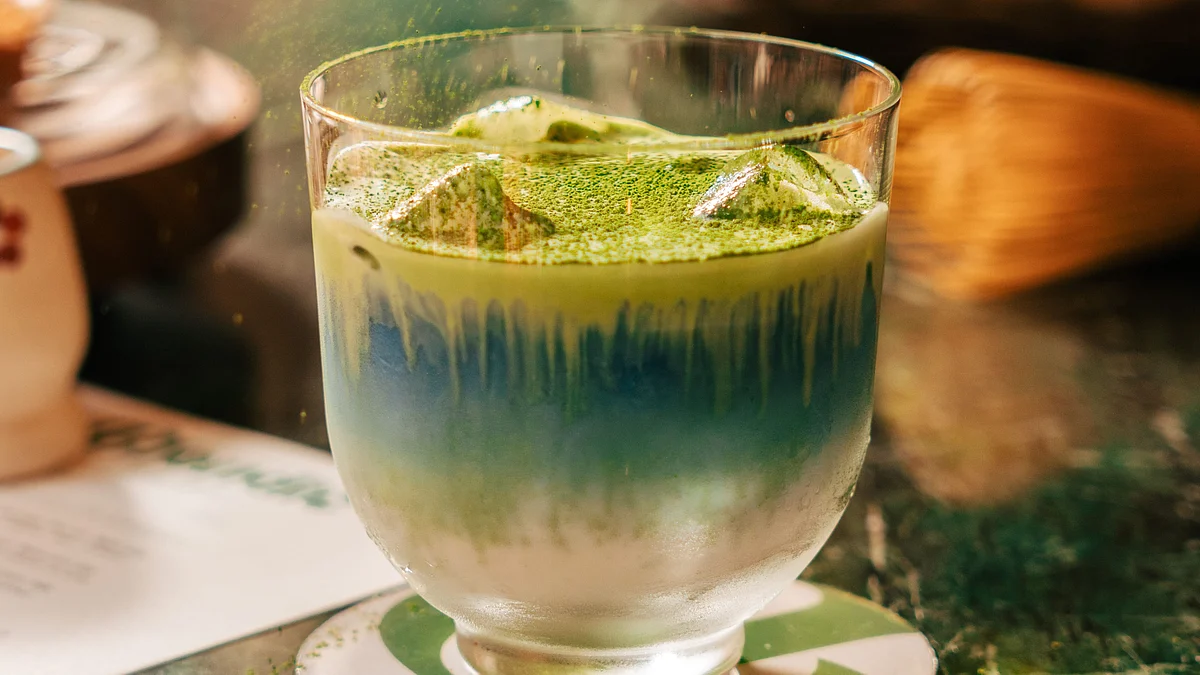
Matcha is a trendy green tea with antioxidants, but it can cause problems if you don't get enough iron.
Matcha has compounds that stop your body from absorbing iron from plant-based foods.
People with low iron, like vegetarians or women, should be careful.
It is better to drink matcha away from meals and eat foods with vitamin C to help absorb iron.

Matcha, a popular green tea, may not be suitable for individuals with iron deficiency.
Matcha contains polyphenols like catechins and tannins that inhibit iron absorption.
Studies show tea can reduce non-heme iron absorption by up to 60-70% when consumed with meals.
Vegetarians, menstruating women, and children may be at higher risk.
Experts advise avoiding matcha near mealtimes and pairing iron-rich foods with vitamin C.
- Who
- Individuals with iron deficiency, especially vegetarians, women, and children, should be aware of the effects of matcha.
- What
- Matcha consumption can inhibit iron absorption, potentially worsening iron deficiency.
- When
- Studies show the impact of matcha on iron absorption when consumed with meals.
- Where
- The effect of matcha on iron absorption happens in the digestive tract.
- Why
- Matcha contains compounds that inhibit iron absorption, potentially leading to iron deficiency issues.
Potential Risks
General Health Benefits
Impact of Matcha on iron levels
Potential Risks
Matcha can reduce iron absorption, potentially worsening iron deficiency.
General Health Benefits
Matcha has many health benefits and may not cause harm if consumed appropriately.
- Main Ingredient
- Matcha
- Issue
- Iron absorption inhibition
- Compounds Involved
- Catechins, tannins, EGCG
- Affected Groups
- Iron-deficient individuals, vegetarians, menstruating women, and children
- Recommendation
- Consume matcha away from mealtimes and pair with Vitamin C