

Archive · 16 Nov 2025
Winter Pregnancies: Protecting Pregnant Women and Newborns from Viral Risks
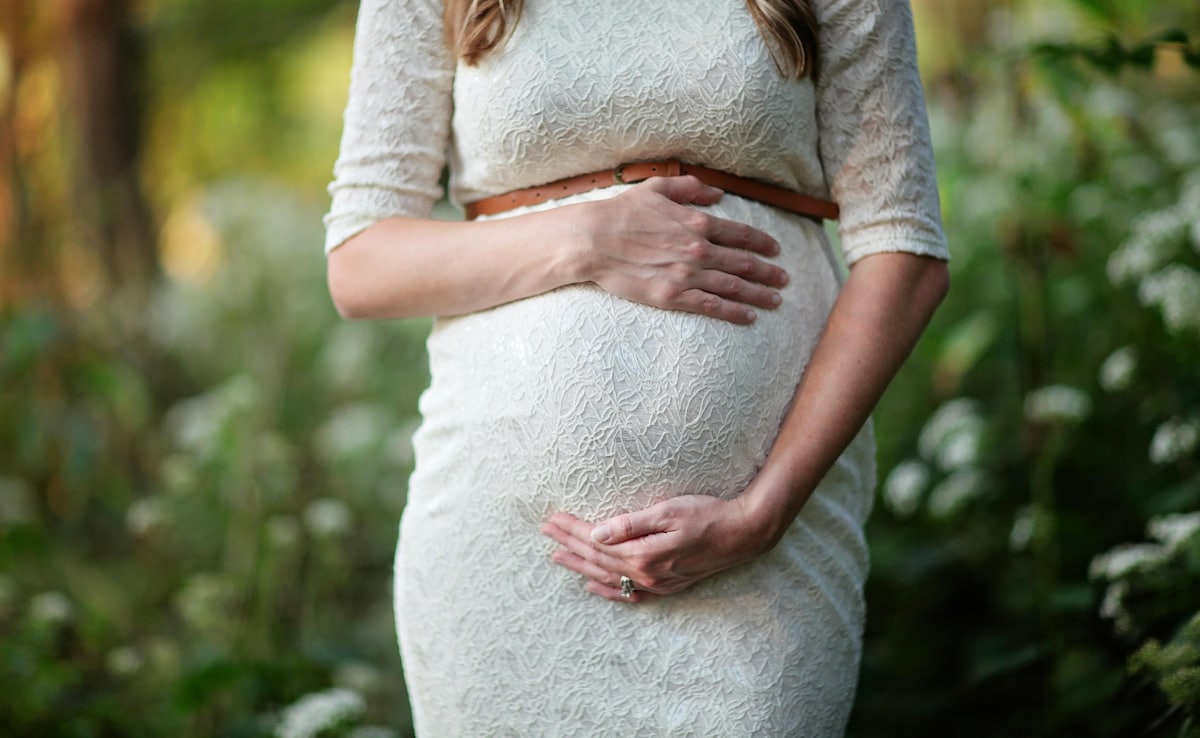
Winter is a time when tiny germs, like those that cause colds and the flu, spread more easily.
Pregnant moms have bodies that are extra busy making a baby, which can make it a little harder for them to fight off these germs.
This means they can get sick more easily, and sometimes that can cause problems for them and their baby.
It's like their bodies need a bit more help staying strong!
Babies born in winter also meet the world when these germs are all around.
To stay healthy, pregnant women should get special shots (vaccines) like the flu shot, wash their hands a lot, try to stay away from sick people, and eat yummy, healthy foods.
It's also good to keep windows a little bit open for fresh air and avoid getting too cold or too hot too quickly.
If they feel sick, they should tell a doctor right away.
Taking care of mom means taking care of the baby, too!

Winter months (November-February) see a surge in respiratory infections like influenza and the common cold.
Pregnant women have a naturally lowered immune system, making them more vulnerable to these winter viruses.
Increased indoor time and poor ventilation during winter allow viruses to circulate more easily.
Key protective measures include timely vaccinations, maintaining good respiratory hygiene, boosting nutrition, and monitoring symptoms early.
Newborns born in winter are at higher risk of exposure to seasonal viruses, making prenatal care and early breastfeeding crucial for their immunity.
- Who
- Pregnant women and their newborns
- What
- Increased risk of viral infections and related complications during winter
- When
- Between November and February (peak viral season)
- Where
- Primarily indoors due to poor ventilation during cold weather
- Why
- Lowered immune system in pregnant women, increased circulation of viruses in closed indoor environments, and specific risks for newborns exposed to seasonal viruses.
- Peak Viral Season
- November to February
- Increased Risks for Pregnant Women
- Higher susceptibility to flu, pneumonia, dehydration, preterm contractions, low Vitamin D
- Risks for Winter Babies
- Exposure to RSV, influenza, diarrheal infections, impact on feeding and energy
- Key Protective Measures
- Vaccinations, respiratory hygiene, good nutrition, staying warm, early symptom monitoring, adequate sleep
- Importance of Breastfeeding
- Crucial for newborn immunity