Archive · 9 Oct 2026
Why Asim Munir May Seek to Reshape Pakistan’s Provinces
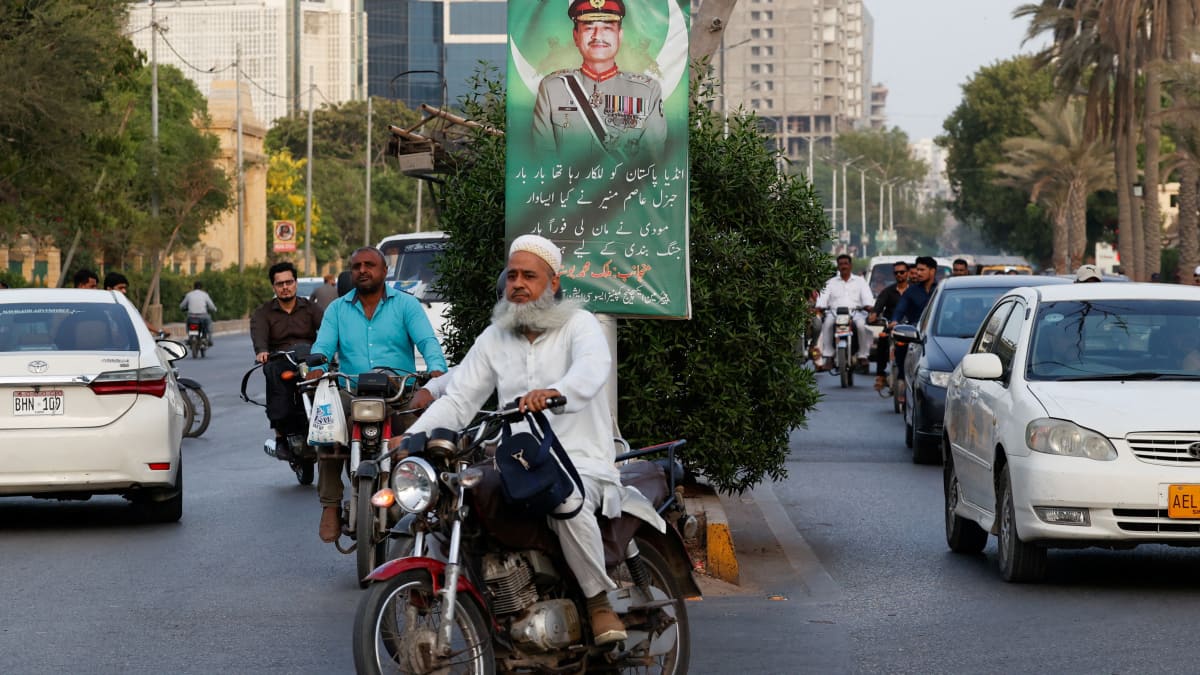
Pakistan currently has four large provinces.
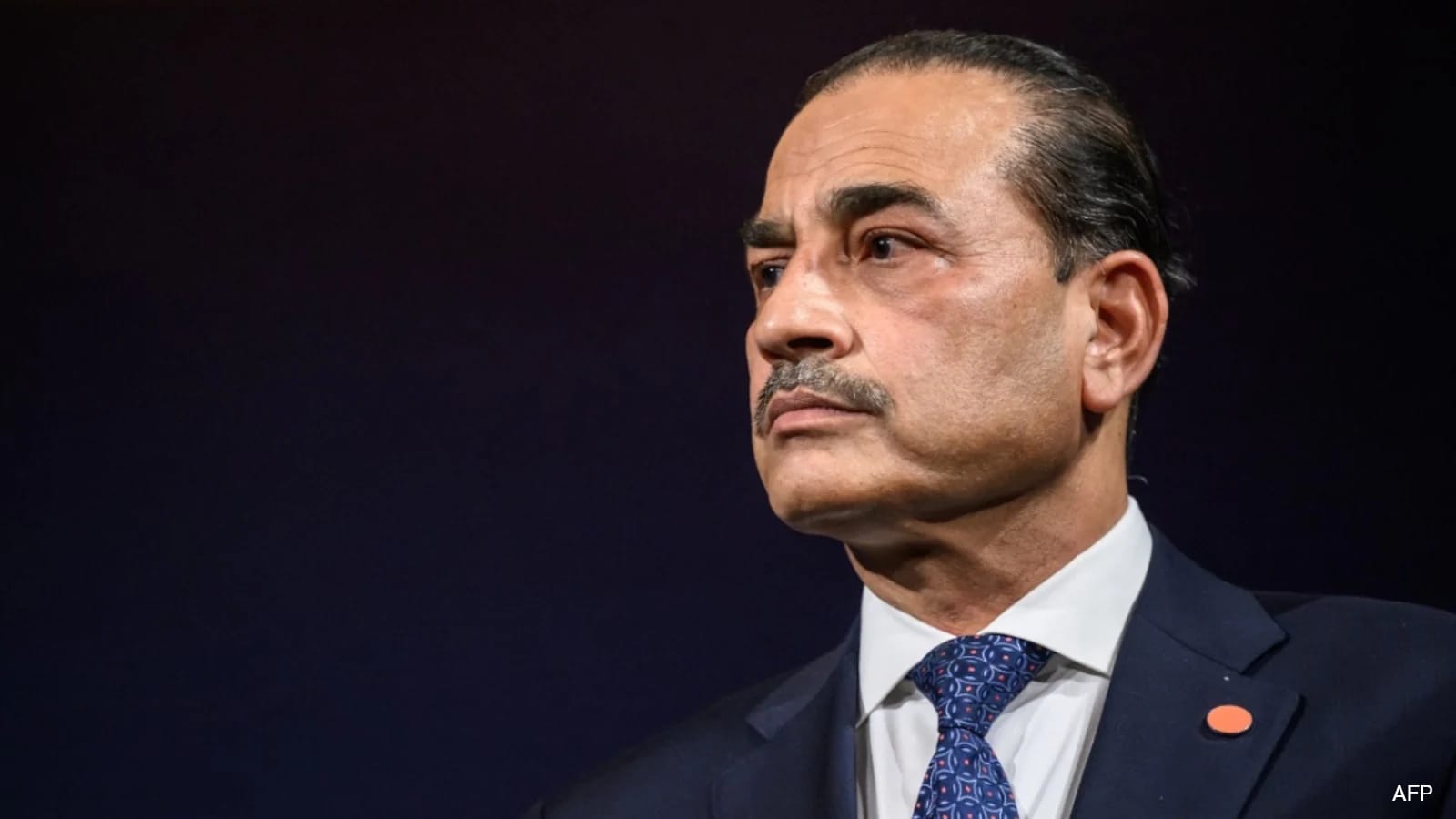
A report says military chief Asim Munir may want to divide them into many smaller areas.
He and other supporters say smaller areas might be easier to govern and could help deliver services.
Some critics worry the change could weaken the provinces and give the central government and military more influence.
Punjab and Sindh are described as important political power centers.
Some residents quoted in one article support smaller provinces, while others question whether more areas would be easier to manage.
Changing a province’s borders would require major political and constitutional approvals.
The articles describe a possible plan, not a change that has already happened.

A report by The Economist says military chief Asim Munir may seek to replace Pakistan’s four provinces with 12, 15, or as many as 160 smaller units.
Munir and other proponents say smaller administrative units could make governance and public services more effective.
Critics suspect the plan could weaken provincial political power centers, including the PML-N in Punjab and the PPP in Sindh, and make politicians more answerable to the centre.
The articles cite concerns about the military’s influence, but also describe poor public services, economic pressures, and longstanding calls for administrative reform.
Changing provincial boundaries faces constitutional hurdles, including approval by the affected provincial assembly by a two-thirds majority; the articles do not say a plan has been adopted.
- Who
- Pakistan’s military chief Asim Munir is reportedly considering the proposal; supporters and critics have offered different arguments.
- What
- A possible plan to replace Pakistan’s four provinces with 12, 15, or as many as 160 smaller units.
- When
- The articles discuss the proposal as a current possibility; no date for implementation is given.
- Where
- Pakistan.
- Why
- Supporters cite more effective administration and public services; critics suspect it could weaken provincial power centers and increase the centre’s influence.
Arguments for smaller units
Concerns about the proposal
Governance and services
Arguments for smaller units
Supporters say the four provinces are too large to administer effectively and that smaller units could improve accountability and service delivery.
Concerns about the proposal
Some residents quoted in the articles question whether creating more units would make administration easier, and critics doubt that provincial restructuring alone would address the country’s problems.
Political power
Arguments for smaller units
Advocates present smaller administrative units as a way to manage Pakistan’s growing population and changing needs.
Concerns about the proposal
Critics argue that splitting provinces could weaken political counterweights such as the PML-N in Punjab and the PPP in Sindh, making politicians more responsive to the central government and Munir.
- Current provinces
- Punjab, Sindh, Khyber Pakhtunkhwa, and Balochistan
- Possible number of units
- 12, 15, or as many as 160, according to the reports
- Punjab population
- About 128 million, according to the articles
- Balochistan population
- About 15 million, or roughly 6% of Pakistan’s population, according to the articles
- Political parties cited
- The PML-N is associated with Punjab, and the PPP with Sindh
- Constitutional requirement
- Article 239(4) requires a two-thirds vote in the affected provincial assembly before an amendment changing provincial limits can be presented for presidential assent; constitutional amendments also require two-thirds majorities in both houses of parliament.
- Proposal status
- Reported as a possible plan; neither article says it has been adopted.