

Archive · 17 Jun 2025
Climate Change Blamed for EHV Tower Failures
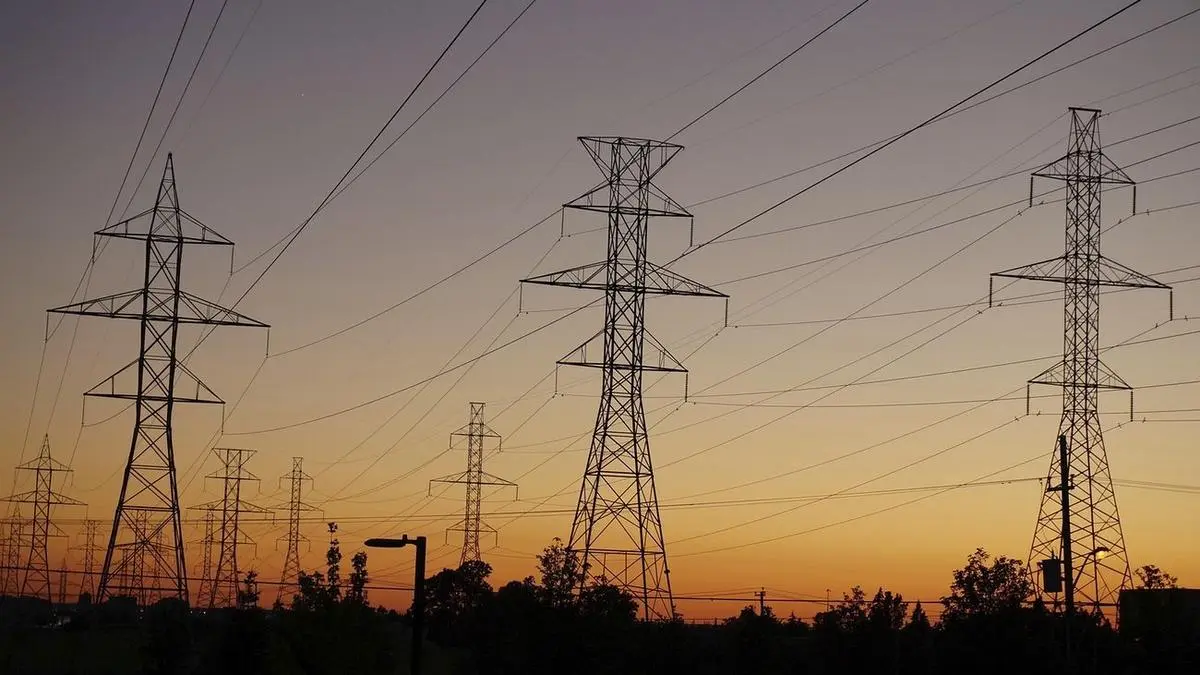
Imagine big electricity towers that hold up power lines.
Some of these towers have been falling down.
Experts looked into it and found that strong winds, made worse by climate change, are the main problem.
The people in charge of these towers are supposed to tell everyone quickly when one falls, but they don't always do that.
The experts want to make sure the towers are strong enough for the wind and are asking for better wind information to help them do that.
Also, the map that shows how windy different areas are needs to be updated because the wind has changed.

An expert committee attributed EHV transmission tower failures to high winds caused by climate change.
Utilities are required to report failures of 220kV+ towers within 48 hours, but compliance is inconsistent.
The committee is reviewing the design and operation of EHV transmission lines.
Accurate wind speed data is crucial for verifying tower design effectiveness.
The wind zone map needs revision due to changing wind patterns.
- Who
- A committee led by the Central Electricity Authority (CEA) investigated the failures.
- What
- EHV transmission tower failures investigated due to changing climatic patterns.
- When
- Incidents occurred in 2024, findings published June 17, 2025.
- Where
- Various locations with EHV transmission lines in India.
- Why
- High-intensity winds due to changing climatic patterns, potentially exceeding tower design limits.
Expert findings and recommendations
Utility challenges
Wind Speed Data
Expert findings and recommendations
High wind velocity may have exceeded the design wind speed for which the tower is designed.
Utility challenges
Utilities are failing to produce wind data in many cases of EHV transmission line tower failures.
- Reported Failures in 2024
- 28 incidents
- Utilities Reporting Failures
- 12
- Utilities Attending Meeting
- 8 out of 12
- Minimum Reporting Timeframe
- 48 hours
- Voltage Class
- 220 kV and above
- Wind Map
- Last revised in 2016 using 2009 wind data