

Archive · 26 Sep 2025
How Social Media Fuels the Hagiography of Political Figures
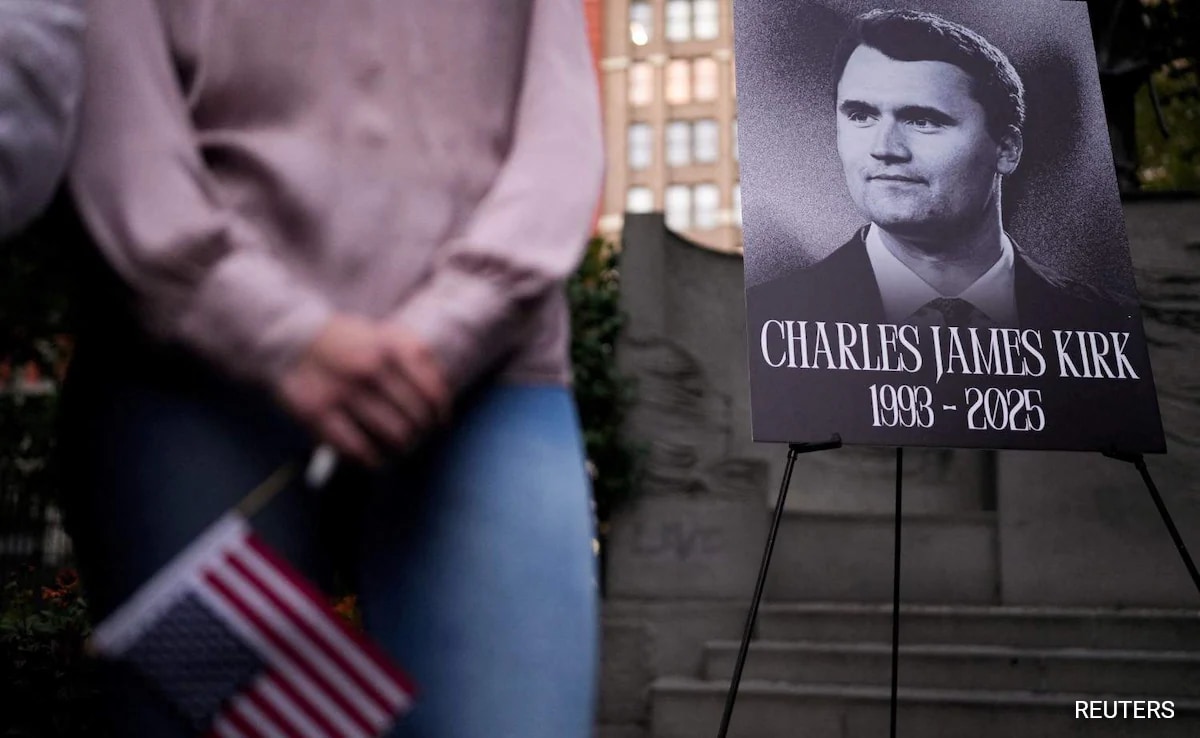
When important people like leaders die, people often remember them in a way that makes them seem perfect, like a saint.
This is called hagiography.
It happens naturally, but the internet and social media make it happen much faster.
People share pictures, videos, and quotes that paint the person as a hero.
This can help people feel better, but it also makes it hard to talk about any mistakes the person made.
It also makes people on opposite sides of a political issue feel even more divided.

Hagiography is the practice of idealizing a deceased person, portraying them as a saint.
Social media has sped up the process of creating hagiographies for public figures.
The construction of an idealized image can help manage loss and consolidate power.
It can also fuel political polarization by framing opposition as an attack on a martyr.
This process is not new but has been intensified by online platforms.
- Who
- Charlie Kirk, other public figures
- What
- Hagiography of public figures after their death is accelerated by social media.
- When
- After the deaths of public figures.
- Where
- Primarily in the United States.
- Why
- To help grieving communities, consolidate power, and reassure followers.
Nuance
Simplification
Focus
Nuance
Encourages critical analysis and questioning of historical figures.
Simplification
Prioritizes honoring leaders and reinforcing group identity.
Effect
Nuance
Allows a more complex understanding of events and individuals.
Simplification
Simplifies narratives and discourages dissent.
- Subject
- Charlie Kirk
- Event
- Death
- Practice
- Hagiography (making someone a saint)
- Role
- Turning Point USA co-founder