

Archive · 16 Sep 2025
South Asia's Revolutions: Cycles of Unrest and Disappointment
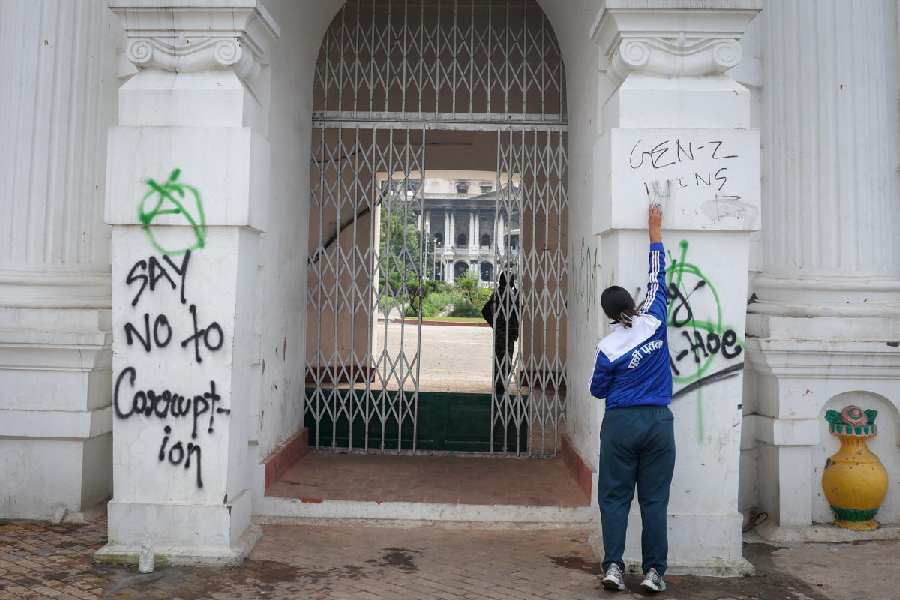
Imagine a lot of young people in South Asia who felt like they couldn't get a fair chance in their countries.
They saw how the 'lucky ones' got ahead through connections and started getting angry.
This anger led to protests and removing leaders.
But the article says these revolts often fail to create lasting change.
It's like they remove one problem, only to see it reappear.
The solution isn't just about changing the leaders, but building a system where everyone has a voice and corruption can't thrive.

South Asian youth are expressing discontent with their economic and political systems.
Revolts have occurred in Sri Lanka, Bangladesh, and Nepal over the past three years.
Triggers for unrest include inflation, patronage, and social media bans.
All mainstream political parties are viewed as complicit in corruption.
These 'deficient revolutions' often fail to create lasting institutional changes.
- Who
- Urban and educated youth in South Asia
- What
- Revolutions against corruption and repression, fueled by societal discontent.
- When
- The last three years, with uprisings in Sri Lanka, Bangladesh, and Nepal
- Where
- South Asia: Sri Lanka, Bangladesh, Nepal
- Why
- Disgust with corruption and repression in political systems.
- Countries experiencing unrest
- Sri Lanka, Bangladesh, Nepal, Philippines, Indonesia
- Core Issues
- Corruption, Repression
- Trigger for Sri Lanka's revolt
- Galloping inflation
- Trigger for Bangladesh's revolt
- Patronage-linked quotas in State jobs
- Key concept
- Deficient Revolutions