

Archive · 13 Aug 2025
Doctors Share Tips for Hemorrhoid Management
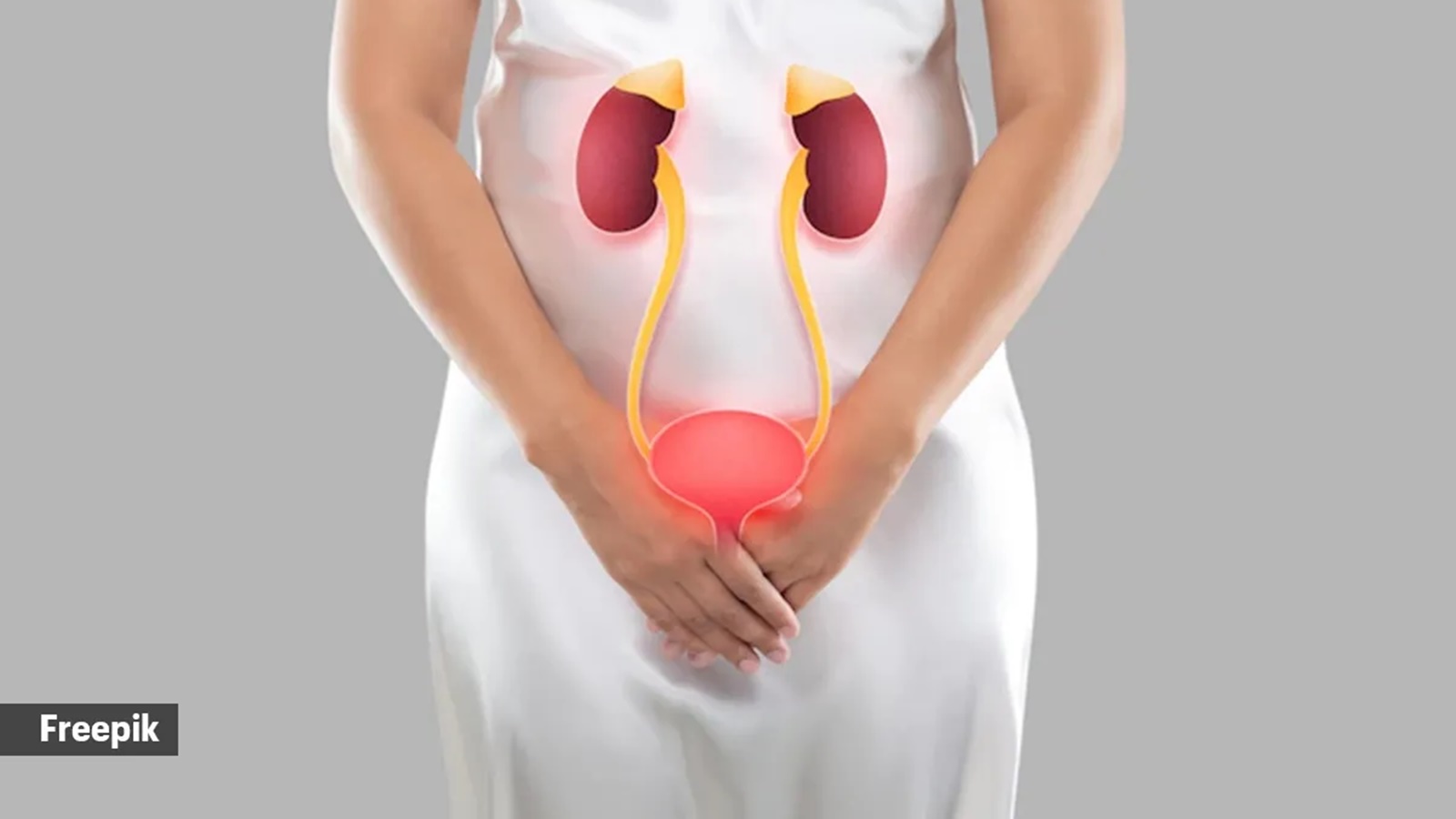
Hemorrhoids are like swollen veins in your bottom.
Doctors suggest eating more fiber from fruits and veggies, using special creams, and taking breaks from sitting to help.
These things can make you feel better by easing the itching and swelling.
It is important to see a doctor if you have bleeding to make sure it isn't something more serious.
If the problem doesn't get better, there are treatments like small procedures or, in serious cases, surgery.

Gastroenterologists recommend fiber-rich diets, topical creams, and avoiding prolonged sitting to manage hemorrhoids.
Hemorrhoids are swollen veins in the rectum or anus, often caused by pressure.
Lifestyle improvements are the first line of treatment for hemorrhoids, managing symptoms but not curing them.
Recurring symptoms, especially rectal bleeding, should be evaluated by a doctor to rule out other conditions.
If symptoms persist, minimally invasive treatments or surgery may be necessary.
- Who
- Gastroenterologists and individuals suffering from hemorrhoids.
- What
- Hemorrhoids and ways to manage them.
- When
- Not explicitly mentioned.
- Where
- Rectum or anus.
- Why
- To provide information on managing hemorrhoids and when to seek medical attention.
Early Stage treatment
Late Stage Treatment
Treatment options
Early Stage treatment
Non-invasive methods
Late Stage Treatment
Invasive treatments
- What are hemorrhoids?
- Swollen veins in the rectum or anus
- Types of Hemorrhoids
- Internal and External
- Initial Treatment
- Lifestyle improvements such as a fiber-rich diet and topical creams.
- Important warning
- Do not self diagnose; consult a doctor.
- Further treatments
- Minimally invasive treatments or surgery.