

Archive · 3 Dec 2025
Russia's Baikonur Launch Pad Damage Raises ISS Concerns
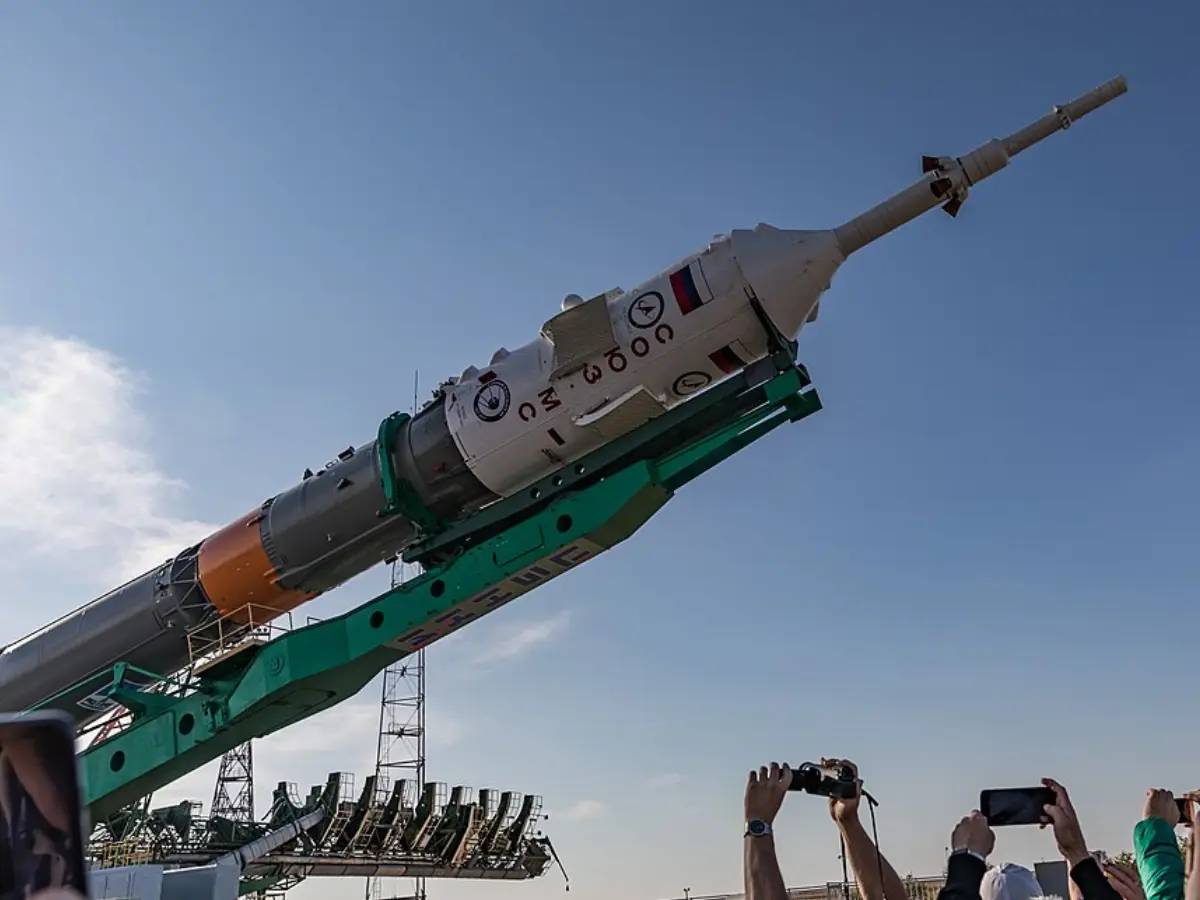
Russia's only launch pad for sending humans to space, in Kazakhstan, got damaged during a recent launch.
This could affect their work with NASA on the International Space Station (ISS).
Russia hasn't said how long repairs will take, and experts are unsure if they will fix it quickly.
In the past, Russia has thought about leaving the ISS, but they recently said they will support it until 2028.
NASA plans to use the ISS until 2030.
If Russia doesn't fix the launch pad, SpaceX’s Dragon spacecraft is the only other way to send astronauts to the ISS.
The launch pad was built in the late 1950s, and Kazakhstan loans it to Russia for about $115 million a year.
A former Russian space chief once threatened to crash the ISS, but that's not happening now.

Baikonur launch pad damaged during Soyuz MS-28 launch on November 27.
Russia's only launch pad for crewed missions to the ISS is currently unusable.
Roscosmos is assessing the damage and has not provided a repair timeline.
Russia has committed to supporting the ISS until 2028, while NASA plans to use it until 2030.
SpaceX’s Dragon spacecraft is the only other available method for launching astronauts to the ISS.
- Who
- Russia, NASA, Kazakhstan
- What
- Damage to Baikonur launch pad affecting ISS missions
- When
- November 27
- Where
- Baikonur Cosmodrome, Kazakhstan
- Why
- Service platform fell into the flame trench during Soyuz MS-28 launch
- Launch Pad Location
- Baikonur Cosmodrome, Kazakhstan
- Damage Date
- November 27
- Affected Launch
- Soyuz MS-28
- Repair Status
- Currently being assessed
- Russia's ISS Commitment
- Until 2028
- NASA's ISS Commitment
- Until 2030
- Alternative Launch Method
- SpaceX’s Dragon spacecraft
- Baikonur Construction
- Late 1950s